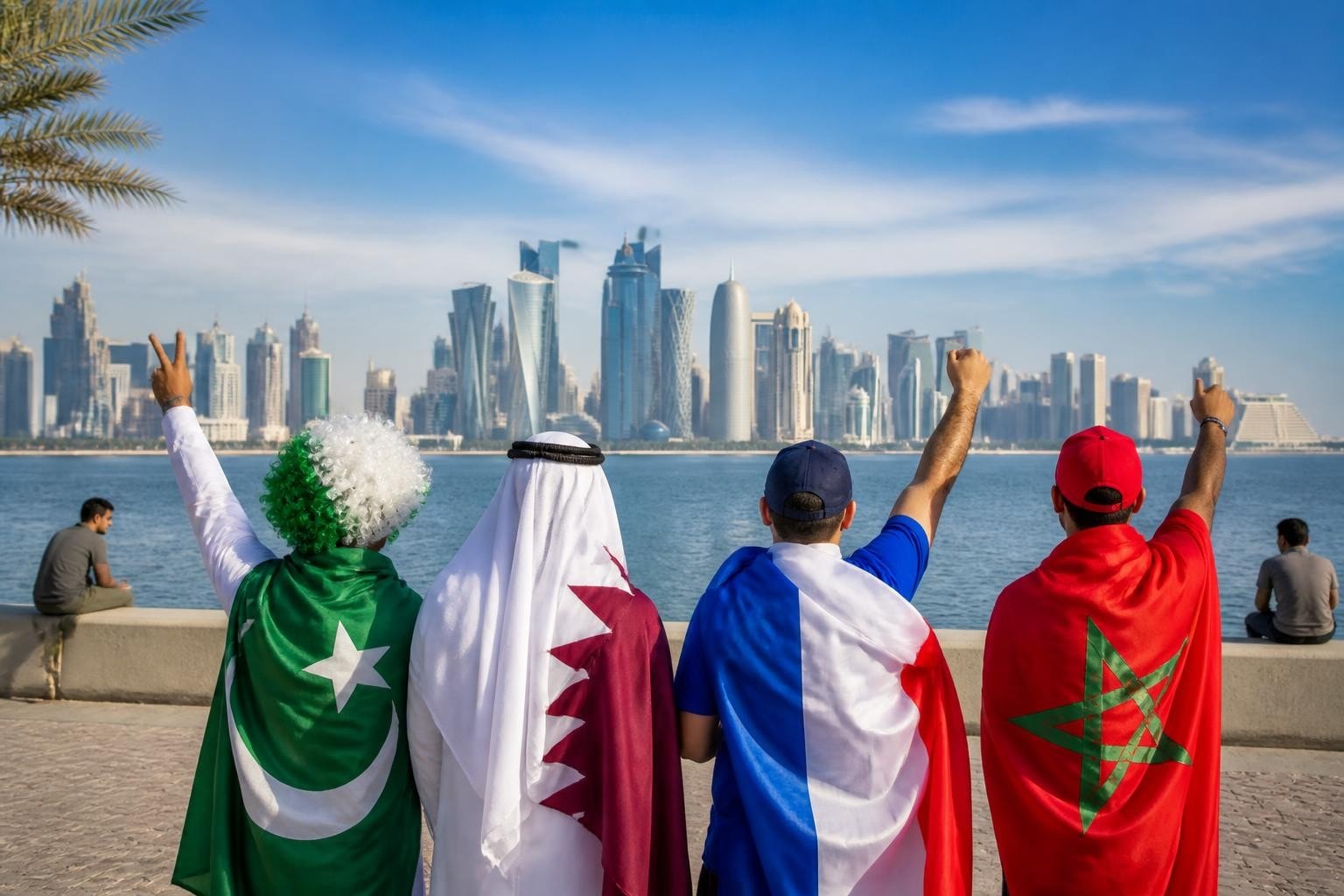
The World Cup 2022 in Qatar wasn't just another football tournament. It was a watershed moment that transformed how we think about global sporting events, international travel, and the very nature of hosting the world's biggest footballing spectacle. From the controversy surrounding its winter scheduling to the unforgettable final that saw Lionel Messi finally lift the trophy, this tournament redefined expectations. For the millions of fans who travelled to Qatar, it also highlighted the importance of staying connected in a foreign country, something that's become remarkably easier with modern technology and services like instant eSIM activation.
Qatar's Bold Gamble: A Winter World Cup
When FIFA announced that Qatar would host the world cup 2022, eyebrows raised across the footballing world. A desert nation with scorching summer temperatures? How would that work?
The answer was simple yet unprecedented: move it to winter. For the first time in the tournament's history, the World Cup took place in November and December, disrupting domestic leagues worldwide but creating something entirely unique.
The Compact Tournament Experience
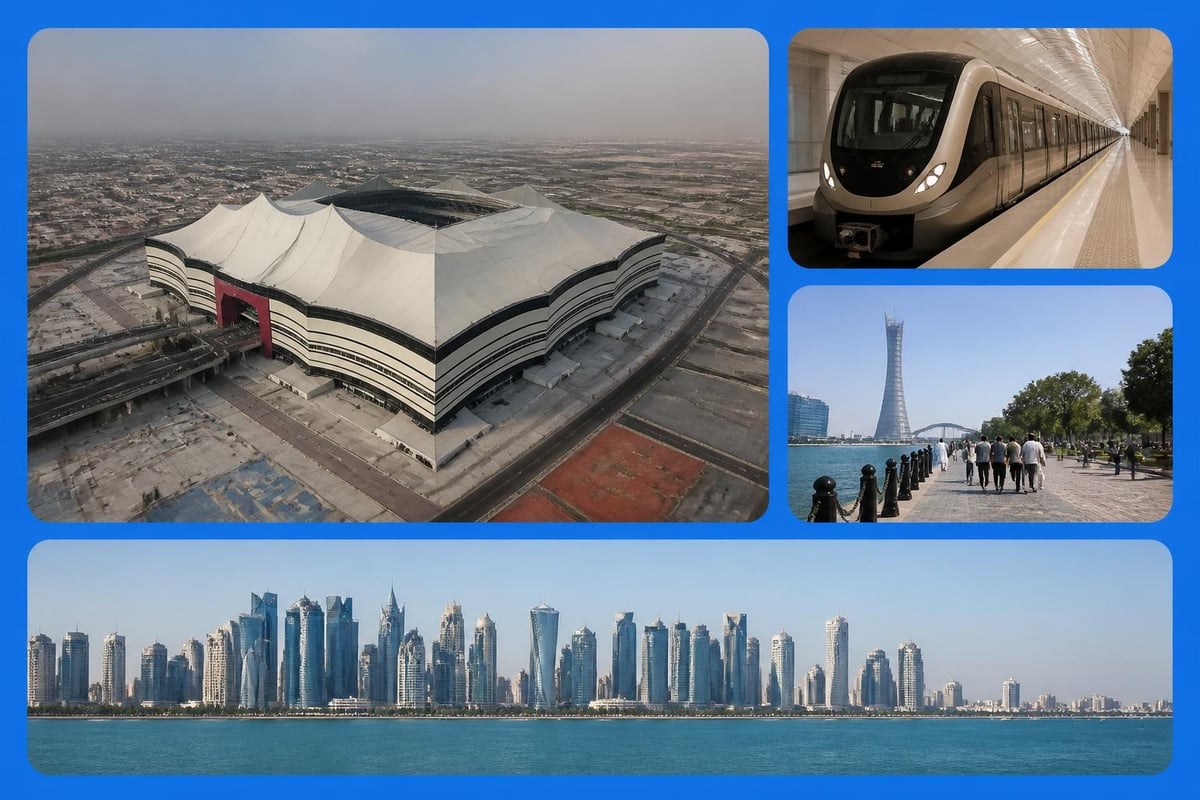
Qatar offered something no previous host could: a genuinely compact tournament where fans could attend multiple matches in a single day.
- Stadium proximity: All eight venues within a 50km radius
- Metro connectivity: Seamless public transport between locations
- Accommodation flexibility: Fans could stay in one location the entire tournament
- Cultural immersion: Concentrated experience in Doha and surrounding areas
This geographical advantage created an atmosphere unlike any previous World Cup. You could watch Brazil play in the afternoon and Argentina in the evening, all without the exhausting travel that characterized tournaments in larger countries.
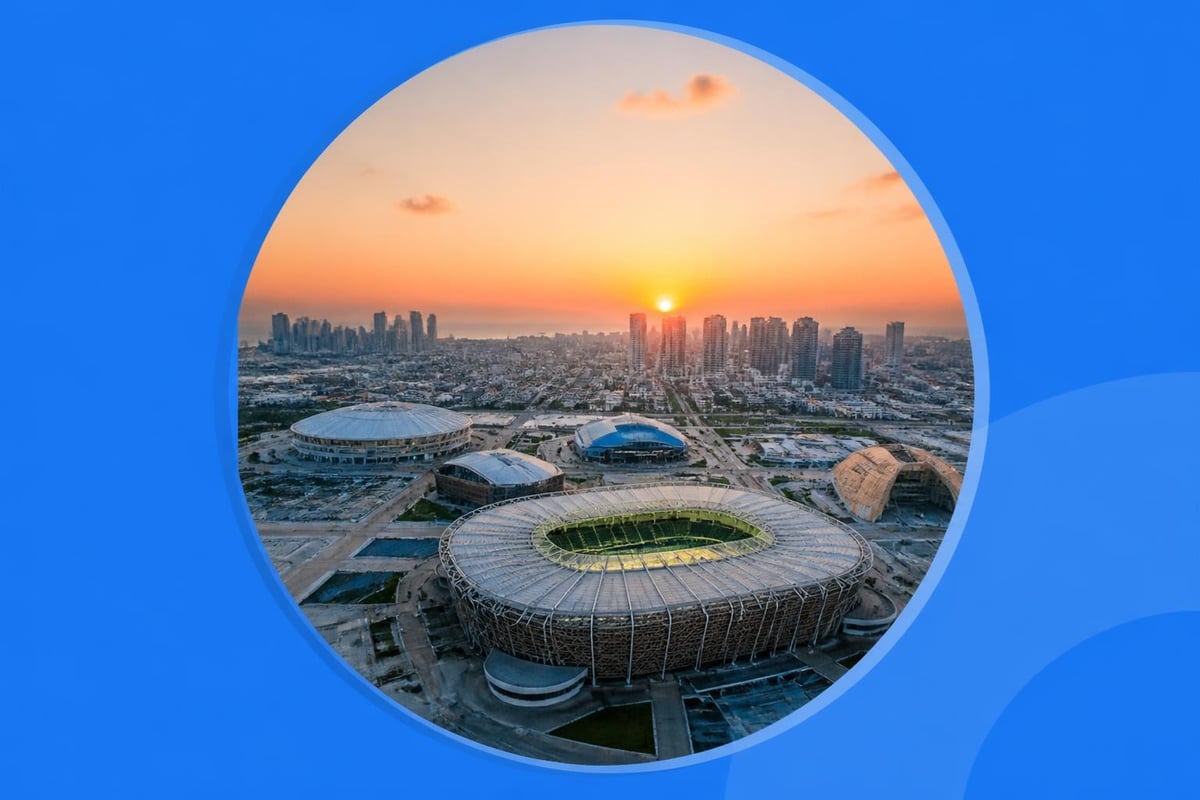
The Tournament Structure and Statistics
Let's talk numbers, because the world cup 2022 delivered some fascinating data points that reveal just how extraordinary this event was.
| Metric | World Cup 2022 Data |
|---|---|
| Total matches | 64 |
| Participating nations | 32 |
| Goals scored | 172 |
| Average attendance | 96% capacity |
| Total attendance | 3.4 million |
| Global TV audience | 5 billion (estimated) |
The network of players and clubs participating in this tournament showcased football's truly global reach, with athletes from every inhabited continent converging on Qatar.
Group Stage Drama
The group stage delivered its fair share of surprises. Morocco's remarkable run began here, Saudi Arabia shocked Argentina, and Japan defeated both Germany and Spain. These weren't just upsets; they were statements about football's changing power dynamics.
The draw process itself had been complex, balancing geographical distribution with competitive fairness whilst managing the unknown qualified teams from playoff matches.
Travelling to Qatar: The Connectivity Challenge
Here's where things got interesting for international travellers. Qatar welcomed visitors from over 150 countries, each arriving with different mobile networks, roaming plans, and connectivity expectations.
Traditional roaming charges would have bankrupted most fans. Imagine checking scores, sharing match photos, navigating unfamiliar streets, and coordinating with fellow supporters whilst paying £5-10 per megabyte. The mathematics simply didn't work.
This is precisely why many savvy travellers turned to eSIM solutions before departing. With instant activation and coverage across multiple Middle Eastern countries, fans could stay connected without the eye-watering bills. For those planning broader regional exploration, options like Europe eSIM coverage demonstrated how modern travel connectivity has evolved beyond traditional SIM cards.
Essential Connectivity for Match Days
What did fans actually need their mobile connections for during the world cup 2022?
- Real-time match updates from other venues
- Stadium navigation and seat finding
- Social media sharing (because did it really happen if you didn't post it?)
- Group coordination in crowds of 80,000+ people
- Translation apps for Arabic signage and menus
- Digital ticket management through FIFA's official app
- Emergency communications with embassies or travel providers
Without reliable data, the tournament experience diminished significantly. This wasn't 1998; modern football fandom requires constant connectivity.
The Road to That Extraordinary Final
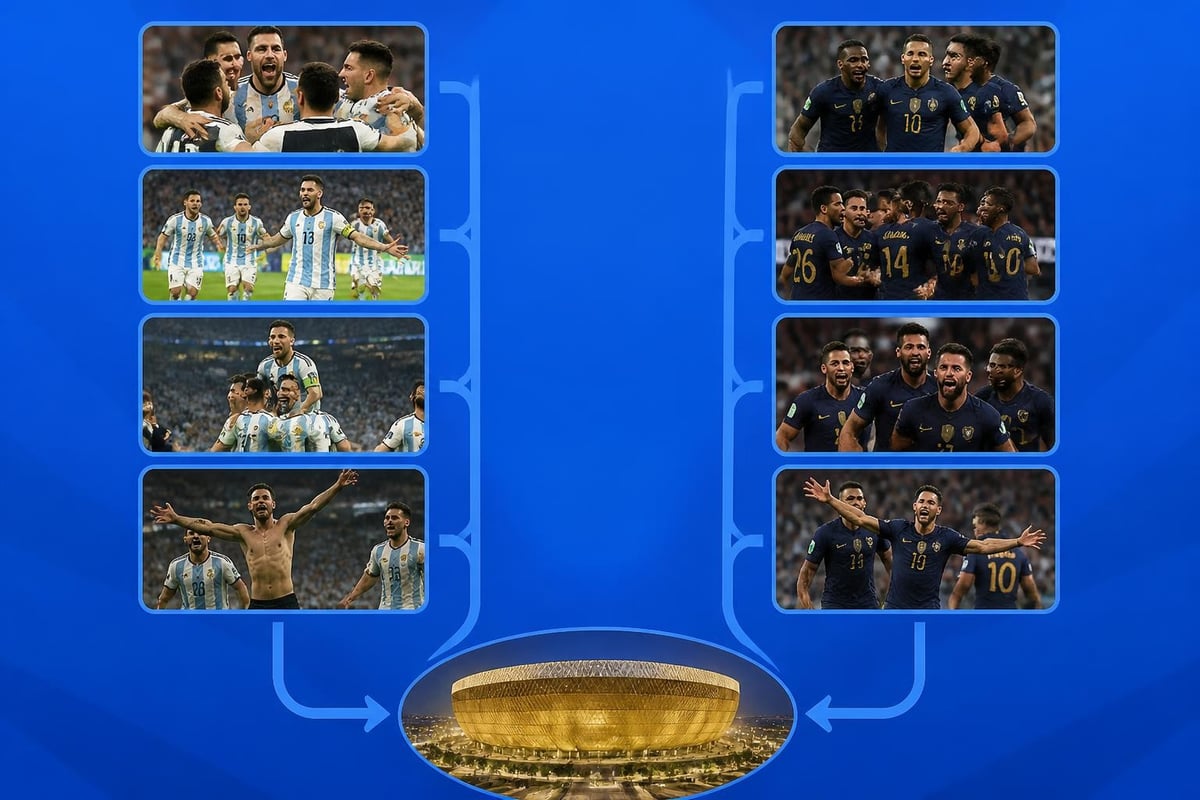
Argentina's journey through the world cup 2022 reads like a Hollywood script. Opening shock defeat to Saudi Arabia. Messi's determination. The tactical masterclass against the Netherlands. That semi-final against Croatia. Each match built narrative tension.
France, meanwhile, carved their path with clinical efficiency. Defending champions aren't supposed to reach consecutive finals, yet here stood Didier Deschamps' team, ready to make history.
December 18, 2022: The Greatest Final?
What happened at Lusail Stadium that evening transcended sport. FIFA's analysis rightly calls it one of the greatest games in World Cup history, and who could argue?
First Half: Argentina dominant, Messi scores from the spot, Di María adds a second. France look shell-shocked.
Second Half: Mbappé's two goals in 97 seconds. Extra time. Messi scores again. Mbappé completes his hat-trick. Penalties. Martinez's heroics. Argentina champions.
The match report captures the drama, but being there, or watching live with proper streaming connectivity, was something else entirely.
Morocco's Historic Achievement
Let's not overlook the Atlas Lions. Morocco became the first African nation to reach a World Cup semi-final, defeating Belgium, Spain, and Portugal along the way.
Their success represented more than football. It symbolized African and Arab footballing potential, tactical sophistication, and the power of defensive organization combined with counter-attacking brilliance.
| Morocco's Journey | Result |
|---|---|
| Group F - Croatia | 0-0 Draw |
| Group F - Belgium | 2-0 Win |
| Group F - Canada | 2-1 Win |
| Round of 16 - Spain | 0-0 (3-0 pens) |
| Quarter-final - Portugal | 1-0 Win |
| Semi-final - France | 0-2 Loss |
| Third Place - Croatia | 1-2 Loss |
Their run inspired millions across Africa and the Arab world, proving that tactical discipline and team cohesion can overcome individual star power.
Technology and the Modern World Cup
The world cup 2022 showcased how technology has infiltrated every aspect of modern football. Semi-automated offside technology (SAOT) debuted, using 12 cameras to track 29 data points on each player.
VAR continued its controversial but necessary role. Goal-line technology eliminated any doubt. Even the match ball contained sensors providing unprecedented data on flight trajectories and impact points.
For travelling fans, technology meant something different. It meant navigating Doha's metro system through apps, accessing digital tickets, and crucially, staying connected with loved ones back home. Understanding how to activate eSIMs on modern devices became as important as understanding offside rules.
The Digital Fan Experience
Modern tournaments exist simultaneously in stadiums and on screens. Fans watching from Japan, Australia, or the USA experienced the world cup 2022 through their devices, creating a truly global shared moment.
Social media amplified every goal, every controversy, every celebration. TikTok dances celebrating victories went viral. Twitter exploded with tactical analysis. Instagram stories documented the fan experience from every possible angle.
Economic and Social Impact
Qatar's investment in the world cup 2022 exceeded $200 billion when infrastructure spending is included. New metro lines, hotels, stadiums, and an entirely new city (Lusail) emerged from desert sand.
The human cost sparked legitimate debate about workers' rights, labour conditions, and the ethics of hosting major events. These conversations, uncomfortable as they were, pushed FIFA toward stronger oversight and better protections for future tournaments.
Tourism numbers tell another story: Qatar welcomed 1.4 million visitors during the tournament month, transforming the nation's global profile overnight.
Lessons for Future Travellers
What can future international event attendees learn from the world cup 2022 experience?
Connectivity is non-negotiable: Whether you're attending sporting events, business conferences, or extended holidays, staying connected simplifies everything. Modern solutions offering coverage across 200+ countries eliminate the old anxieties about roaming charges.
Plan for weather: Qatar's winter climate was perfect, but imagine if they'd held it in July. Always research seasonal conditions for your destination.
Embrace public transport: Doha's metro proved that excellent public infrastructure enhances event experiences tremendously.
Book accommodation strategically: The compact nature of Qatar meant location mattered less than usual. Future tournaments in larger countries require more careful geographical planning.
Cultural preparation: Understanding local customs, particularly in conservative regions, ensures respectful and trouble-free experiences.
The Messi Legacy Completed
Ultimately, the world cup 2022 will be remembered as the tournament where Lionel Messi completed football. Seven goals, sublime assists, and the trophy that had eluded him throughout his extraordinary career.
Researchers analyzing tournament performance through mathematical models confirmed what our eyes told us: Messi's influence extended beyond statistics into intangible leadership and inspiration.
At 35, in his final World Cup, on football's grandest stage, he delivered. That image of him lifting the trophy, wearing the bisht presented by the Emir of Qatar, became instantly iconic.
How Tournament Draws Shape Destiny
The optimization of tournament draws involves balancing competitiveness with entertainment value. Too many strong teams in one group creates early exits for quality sides. Too many weak groups produces predictable outcomes.
FIFA's seeding system for the world cup 2022 aimed for balance, though luck inevitably plays its part. England and Wales meeting in the group stage? Pure chance. Spain and Germany drawn together? The draw's randomness creating heavyweight clashes.
The Knockout Drama
Once the knockout stages began, every match mattered absolutely. No second chances, no margin for error. This pressure produced some extraordinary football:
- Netherlands vs Argentina: Tactical chess match ending in penalty drama
- England vs France: Kane's missed penalty haunting Three Lions fans
- Croatia vs Brazil: Another penalty heartbreak for the Seleção
- Portugal vs Morocco: The Atlas Lions' stunning quarter-final victory
Sustainable Stadium Innovation
Qatar's eight stadiums showcased architectural innovation, with several designed for partial dismantlement and reuse elsewhere. Stadium 974, built from shipping containers, represented a genuinely novel approach to sustainable sports infrastructure.
This matters beyond Qatar. Future hosts must consider legacy uses and environmental impact from the planning stage, not as afterthoughts.
The Changing Football Landscape
The world cup 2022 confirmed shifts in global football power. European and South American dominance continues, yet Asian and African nations are narrowing the gap. Investment in youth development, tactical education, and infrastructure across previously peripheral football nations is producing results.
Saudi Arabia's victory over Argentina wasn't a fluke. Japan defeating Germany and Spain wasn't luck. Morocco reaching the semi-finals wasn't chance. These results reflected improved quality across global football.
For travelling fans following future tournaments, this means more competitive matches, fewer predictable outcomes, and enhanced entertainment value regardless of which teams are playing.
Personal Stories from Qatar
Beyond statistics and analysis, the world cup 2022 created countless personal memories. Families travelling together for once-in-a-lifetime experiences. Friends reuniting from different continents. Strangers bonding over shared passion in stadium queues.
These human connections define World Cups more than tactical formations or possession statistics. They're why fans travel thousands of miles, spend considerable money, and navigate unfamiliar cultures, all for 90-minute football matches.
Having reliable mobile connectivity ensured these memories could be captured and shared instantly, preserving moments that would otherwise fade.
What 2026 Holds
The next World Cup expands to 48 teams across three host nations: USA, Canada, and Mexico. This geographic spread contrasts sharply with Qatar's compactness, presenting different challenges and opportunities.
Travelling fans will need careful planning for matches potentially thousands of miles apart. Multiple eSIM plans covering North America might become essential for those following teams across borders.
The expanded format guarantees more matches, more nations represented, and theoretically, more opportunities for emerging football nations to compete on the world stage.
The World Cup 2022 demonstrated that major sporting events succeed through careful planning, technological integration, and ensuring fans can fully participate in the experience. Whether you're planning to attend the next World Cup, exploring business opportunities abroad, or simply travelling for pleasure, staying connected shouldn't be complicated or expensive. GoSimless.app offers instant eSIM activation across 200+ countries, ensuring you're never disconnected from what matters most, wherever your travels take you.
gosimless Team
The gosimless editorial desk — testing eSIMs, carriers and travel connectivity so you don't have to. Updated continuously from the road.