
Planning to attend the 2026 FIFA World Cup? You're not alone. With the tournament expanding to 48 teams and spreading across the United States, Canada, and Mexico, millions of football fans are already dreaming about witnessing history firsthand. But there's one question that keeps popping up in every conversation: just how much are you going to pay? World cup ticket prices have become a hot topic, especially with FIFA's introduction of dynamic pricing and the sheer scale of this tournament. Whether you're hoping to catch a group stage match or dreaming of watching the final, understanding the pricing structure is essential for planning your football pilgrimage.
Understanding the 2026 World Cup Ticket Structure
Let's talk about what you're actually paying for when you purchase World Cup tickets. The pricing isn't as straightforward as you might hope.
FIFA has divided tickets into four main categories, each offering different viewing experiences and, naturally, different price points. Category 1 gives you the best seats in the house-think centre-line positions with unobstructed views. Category 2 sits just behind these premium spots, whilst Category 3 offers decent views from the sides or corners. Finally, Category 4 tickets place you further back or in less optimal positions.
But here's where it gets interesting: FIFA's dynamic pricing model means these prices fluctuate based on demand, much like airline tickets or hotel rooms. This system has sparked considerable debate among fans who remember the more predictable pricing of previous tournaments.
How Dynamic Pricing Affects Your Wallet
Think of dynamic pricing as FIFA's version of surge pricing. When demand spikes for a particular match-say, a highly anticipated rivalry or knockout game-prices adjust upward. Conversely, less popular matches might see more affordable rates.
According to the Associated Press, this approach has led to significant price variations, with some premium matches commanding eye-watering sums whilst group stage matches between smaller nations remain relatively accessible. The system aims to maximize revenue whilst theoretically making some tickets more affordable for casual fans.
Breaking Down World Cup Ticket Prices by Match Stage
World cup ticket prices vary dramatically depending on which stage of the tournament you're watching. Here's what you need to know about each phase.
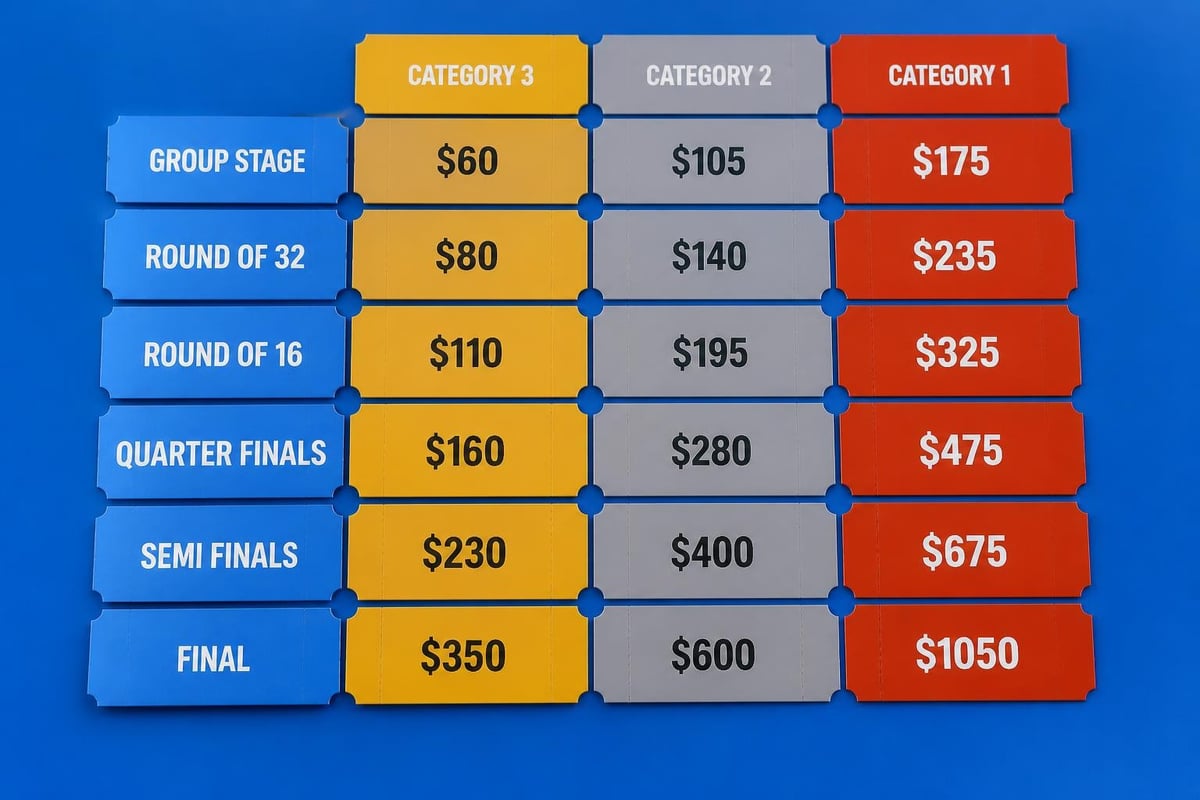
Group Stage Matches
Group stage games represent your most affordable entry point into the World Cup experience. For 2026, Category 4 tickets for group matches start around $60-$80, making them accessible for families and budget-conscious fans.
- Category 4: $60-$80
- Category 3: $120-$180
- Category 2: $200-$280
- Category 1: $350-$450
These prices can shift based on which teams are playing. A match featuring footballing giants will cost considerably more than a game between lower-ranked nations.
Knockout Round Price Escalation
Once you reach the Round of 16, ticket prices take a noticeable jump. The stakes are higher, teams are stronger, and everyone knows they're watching win-or-go-home football.
Quarter-final and semi-final matches command premium pricing, with Category 1 seats reaching into the four-figure range. FourFourTwo's comprehensive guide outlines how these increases reflect both the sporting significance and the dwindling availability of matches.
| Match Stage | Category 4 | Category 3 | Category 2 | Category 1 |
|---|---|---|---|---|
| Group Stage | $60-$80 | $120-$180 | $200-$280 | $350-$450 |
| Round of 16 | $100-$140 | $220-$300 | $380-$500 | $650-$850 |
| Quarter-Final | $150-$200 | $320-$420 | $550-$700 | $950-$1,200 |
| Semi-Final | $200-$280 | $450-$600 | $750-$950 | $1,300-$1,700 |
| Final | $350-$500 | $700-$900 | $1,200-$1,600 | $2,200-$3,000 |
The Final: Football's Most Expensive Match
Let's be honest-if you're planning to attend the World Cup final, you'd better have deep pockets. World cup ticket prices for the championship match represent the pinnacle of football pricing.
For the 2026 final, even the most basic Category 4 seats are expected to cost between $350-$500. That's for the privilege of being in the stadium, regardless of your view. Category 1 seats, meanwhile, could set you back anywhere from $2,200 to $3,000 or more, depending on dynamic pricing fluctuations.
FIFA President Gianni Infantino has defended these prices, arguing that the World Cup final is a once-in-a-lifetime experience for many fans and that pricing reflects the immense global demand. Whether you agree with that logic probably depends on your bank balance.
What Influences Final Ticket Costs?
Several factors push final ticket prices into the stratosphere:
- Global demand: Fans from every corner of the planet compete for approximately 80,000 seats
- Corporate hospitality packages: These bundled experiences inflate overall pricing
- Resale markets: Secondary markets often drive prices even higher
- Historical significance: The 2026 tournament marks the first 48-team World Cup
- Location prestige: Being hosted across North America adds another dimension
Hidden Costs Beyond the Ticket Price
Here's something many first-time World Cup attendees don't anticipate: the ticket is just the beginning of your expenses. Planning a trip to watch matches involves numerous additional costs that quickly add up.
You'll need accommodation in host cities during peak demand periods. Hotels near stadiums often triple their normal rates during tournament dates. Transportation between cities-especially if you're following a particular team-adds another layer of expense. Then there's food, merchandise, and the inevitable celebration pints after your team wins.
If you're travelling internationally, staying connected is crucial for navigating unfamiliar cities, coordinating with fellow fans, and sharing those once-in-a-lifetime moments. That's where planning ahead with travel eSIM solutions becomes essential, ensuring you avoid expensive roaming charges whilst hopping between the USA, Canada, and Mexico.
Creating a Realistic Budget
Let's break down a realistic budget for attending the 2026 World Cup:
- Tickets: $200-$3,000 depending on matches and categories
- Accommodation: $150-$400 per night during tournament dates
- Flights: $500-$2,000 depending on your origin
- Local transportation: $50-$150 for metro, taxis, and transfers
- Food and beverages: $75-$150 per day
- Connectivity: Budget for data plans across multiple countries
- Miscellaneous: Merchandise, souvenirs, and unexpected expenses
Avoiding World Cup Ticket Scams
With world cup ticket prices reaching such heights, scammers have become increasingly sophisticated. TechRadar reports that cybercriminals are already setting up fake ticket websites, phishing schemes, and fraudulent resale platforms targeting desperate fans.

Red Flags to Watch For
How do you spot a dodgy ticket offer? Here are the warning signs:
- Prices too good to be true: If someone's offering Category 1 final tickets for half the going rate, run away
- Unofficial websites: Always purchase through FIFA's official ticketing portal or authorized partners
- Pressure tactics: Scammers create artificial urgency ("only 2 tickets left at this price!")
- Unusual payment methods: Requests for cryptocurrency, wire transfers, or gift cards
- No verification system: Legitimate sellers provide confirmation codes and traceable receipts
Safe Purchasing Practices
Protect yourself by following these guidelines:
Purchase exclusively through FIFA's official ticketing platform or authorized resellers. Keep all confirmation emails and payment receipts. Enable two-factor authentication on your ticketing account. Research the seller thoroughly if considering hospitality packages. Never share your ticketing login credentials with anyone.
If you're using online forums or social media to coordinate travel plans, be particularly cautious about "helpful" strangers offering ticket connections. The football community is generally wonderful, but scammers exploit that goodwill.
Comparing 2026 Prices to Historical World Cups
How do current world cup ticket prices stack up against previous tournaments? The World Cup Guide's historical analysis reveals fascinating trends.
Back in 1994, when the USA last hosted the World Cup, you could attend group stage matches for under $30. Adjusting for inflation, that's still significantly cheaper than today's entry-level prices. The 2018 Russia World Cup saw final tickets priced around $1,100 for Category 1 seats-nearly half what 2026 Category 1 finals are projected to cost.
| Tournament | Year | Host | Cheapest Ticket | Most Expensive Ticket |
|---|---|---|---|---|
| USA | 1994 | United States | $25 | $450 |
| Russia | 2018 | Russia | $105 | $1,100 |
| Qatar | 2022 | Qatar | $70 | $1,607 |
| North America | 2026 | USA/Canada/Mexico | $60 | $3,000+ |
Several factors explain this escalation. Tournament expansion from 32 to 48 teams increases operational costs. The multi-nation hosting arrangement adds logistical complexity. And let's face it, FIFA has recognized that global demand allows for premium pricing.
Regional Variations Across Host Nations
One unique aspect of the 2026 World Cup is its tri-national hosting arrangement. World cup ticket prices won't just vary by match importance-they'll also differ based on which country you're watching in.
United States Venues
The USA hosts the majority of matches, including the final. American stadiums tend to be larger, which theoretically increases supply, but demand in major markets like New York, Los Angeles, and Dallas remains astronomical. Prices here reflect premium market conditions.
Canadian Matches
Canada hosts matches in Vancouver and Toronto. These cities have passionate football cultures and limited stadium capacity compared to American venues. Expect competitive pricing with strong local demand, particularly if Canada advances deep into the tournament.
Mexican Football Culture
Mexico brings perhaps the most passionate football culture of the three hosts. Matches in Mexico City, Guadalajara, and Monterrey will showcase incredible atmospheres. The passionate local support might drive prices higher for matches involving Latin American teams.
Hospitality Packages: Worth the Premium?
Beyond standard tickets, FIFA offers hospitality packages that bundle match access with additional perks. But are these packages worth the substantial price increase?
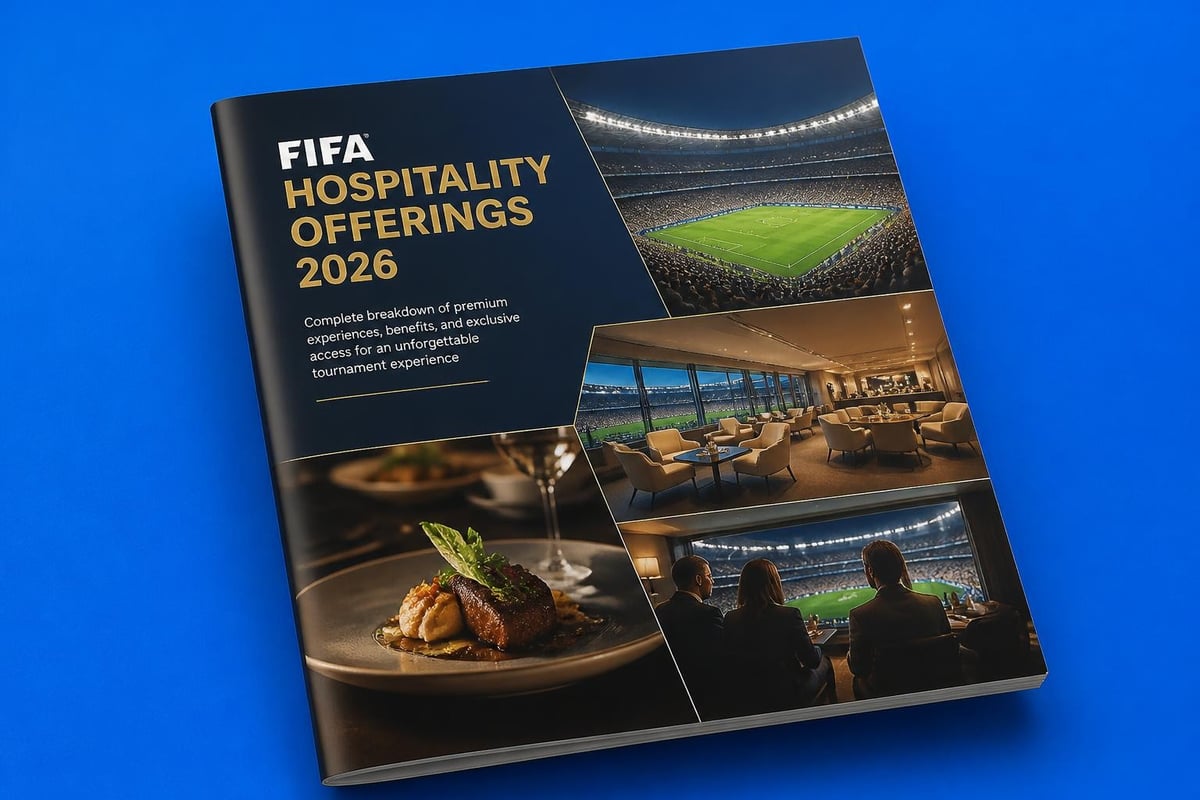
Premium hospitality can include dedicated lounges, gourmet catering, meet-and-greet opportunities, and guaranteed prime seating. For the final, these packages start around $5,000 per person and can exceed $15,000 for the most exclusive experiences.
Who Benefits Most from Hospitality?
These packages suit specific traveller types:
- Corporate groups entertaining clients or rewarding employees
- Luxury travellers who prioritize comfort and exclusivity
- First-time attendees wanting a hassle-free, all-inclusive experience
- Milestone celebrations marking special occasions with unforgettable experiences
For dedicated football fans who've attended multiple tournaments, standard tickets often provide better value and a more authentic atmosphere amongst fellow supporters.
Strategies for Securing Affordable Tickets
Can you attend the 2026 World Cup without breaking the bank? Absolutely, but it requires strategy and flexibility.
First, target group stage matches between teams that aren't traditional powerhouses. These games often deliver fantastic football without the premium pricing. Second, consider Category 3 or 4 seats-you're there for the atmosphere as much as the perfect view, right?
Register early when FIFA opens the application process. The initial lottery often provides the best opportunity for face-value tickets before dynamic pricing takes full effect. Join official supporters' groups for your national team, as they sometimes receive ticket allocations.
Budget-Friendly Attendance Tips
Here's how savvy fans maximize their World Cup experience whilst minimizing costs:
- Target multiple group stage matches rather than one expensive knockout game
- Book accommodation outside city centres and use public transport
- Share costs by travelling with fellow supporters
- Prepare for connectivity across borders with solutions like eSIM activation
- Pack strategically to avoid marked-up merchandise and food inside stadiums
The Controversy Surrounding Pricing Strategies
Not everyone's thrilled about current world cup ticket prices. Reports of unsold tickets due to high pricing have sparked debates about accessibility and FIFA's priorities.
Critics argue that football's governing body has lost sight of the sport's working-class roots. When families must save for years to afford a single match, has the World Cup become an event exclusively for the wealthy? YouTube discussions about the pricing controversy reveal genuine frustration among longtime supporters.
Defenders counter that unprecedented demand justifies market-rate pricing and that revenue funds football development worldwide. The truth probably lies somewhere in the middle-dynamic pricing maximizes revenue but risks alienating traditional supporters.
Finding Middle Ground
Several proposals could balance accessibility with commercial reality:
- Increased allocation of lower-category tickets for each match
- Local resident discounts in host cities
- Youth and family pricing tiers to encourage next-generation fans
- Transparency in how dynamic pricing algorithms work
- Caps on secondary market resales to prevent exploitation
Planning Your Multi-Country World Cup Journey
The 2026 tournament's unique geography creates both challenges and opportunities. Following your team across North America means crossing international borders, adapting to different currencies, and navigating varying regulations.
This is where modern technology becomes your best friend. You'll need reliable connectivity to manage bookings, navigate unfamiliar cities, and stay updated on match schedules. Traditional roaming charges across the USA, Canada, and Mexico can devastate your budget faster than Category 1 tickets.
Smart travellers are turning to flexible connectivity solutions that work seamlessly across all three host nations. Whether you're activating an eSIM on your iPhone or exploring compatible devices, planning your data strategy now prevents expensive surprises later.
Cross-Border Logistics
Consider these practical aspects of multi-country travel:
- Visa requirements: Check entry requirements for each host nation
- Currency exchange: You'll deal with USD, CAD, and MXN
- Transportation networks: Each country has different systems and pricing
- Safety considerations: Research neighbourhoods and travel advisories
- Language variations: English, French, and Spanish across different regions
Alternative Ways to Experience the World Cup
What if world cup ticket prices exceed your budget entirely? You've still got options for experiencing the tournament's magic.
Fan zones in host cities offer big screens, atmosphere, and fellow supporters without the ticket cost. Various streaming options provide comprehensive coverage from home. Public viewing parties create communal experiences that rival stadium attendance for pure emotion.
Some fans opt for a hybrid approach: attend one or two affordable group stage matches whilst watching the rest from fan zones or pubs. This strategy delivers the best of both worlds-stadium memories plus fiscal responsibility.
Making the Most of Fan Festivals
Official FIFA Fan Festivals transform host cities into football celebrations. These free events include:
- Live match broadcasts on massive screens
- Food and beverage from local and international vendors
- Interactive football activities and skill challenges
- Live music and entertainment between matches
- Merchandise stands and sponsor activations
Understanding world cup ticket prices for 2026 requires navigating dynamic pricing, category structures, and the unique challenges of a tri-national tournament. Whether you secure tickets to the final or watch from a fan zone, proper planning ensures you'll enjoy the experience without financial regret. As you map out your World Cup adventure across the USA, Canada, and Mexico, don't forget that staying connected seamlessly across all three countries is essential-gosimless.app offers instant eSIM activation with affordable data plans across 200+ countries, ensuring you navigate match days, coordinate with friends, and share your football moments without worrying about roaming fees.
gosimless Team
The gosimless editorial desk — testing eSIMs, carriers and travel connectivity so you don't have to. Updated continuously from the road.