
Planning a trip to Thailand? You've probably spent hours researching temples, beaches, and street food spots. But have you sorted out how you'll stay connected when you land in Bangkok, Chiang Mai, or Phuket? Getting online in Thailand used to mean queuing at airport kiosks or hunting down SIM card shops, but eSIM in Thailand has completely transformed how travelers get connected. Instead of fumbling with tiny plastic cards and SIM ejector tools, you can activate your mobile data before you even board the plane. Let's explore everything you need to know about using an esim in thailand during your 2026 adventure.
Why eSIM Technology Makes Sense for Thailand Travelers
Traditional SIM cards have served us well for decades, but they come with genuine hassles when you're travelling. You need to keep track of a physical card, swap it out (risking losing your home SIM), and often deal with compatibility issues. eSIM technology eliminates these problems entirely.
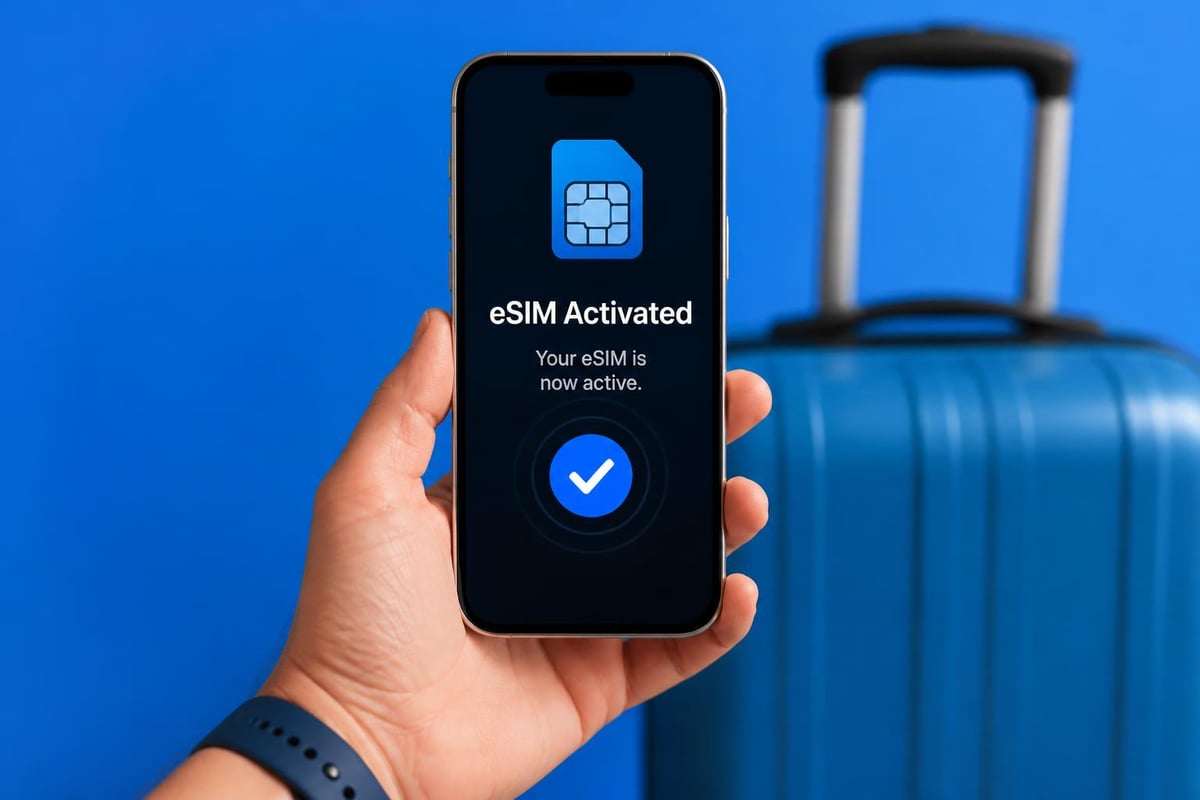
An eSIM is a digital SIM that's embedded directly into your phone's hardware. Rather than inserting a physical card, you simply scan a QR code or use an app to download your connection profile. Within minutes, you're connected to Thai mobile networks without ever touching a SIM tray.
The Practical Benefits You'll Actually Notice
Here's what makes eSIM in Thailand particularly brilliant for travelers:
- Instant activation before you leave home, so you're connected the moment your plane touches down
- No physical swapping means you keep your primary number active for important calls
- Multiple profiles let you switch between different data plans without carrying spare SIMs
- Environmental benefit of eliminating plastic SIM cards and packaging
The technology isn't just convenient; it's actually more secure. You can't lose a digital SIM, and if your phone is stolen, you can remotely deactivate the eSIM profile through your provider's app.
Understanding Thailand's Mobile Network Landscape
Thailand has excellent mobile infrastructure, especially in tourist areas and major cities. The country's main network operators include AIS, TrueMove, and Dtac, all offering solid coverage across the country. When you purchase an esim in thailand, your provider partners with one of these local networks to deliver your service.
Coverage quality varies depending on where you're traveling. Bangkok, Phuket, Chiang Mai, and other popular destinations have outstanding 4G and 5G coverage. Even smaller islands and rural areas generally maintain decent connectivity, though speeds may drop in very remote locations.
Network Partnerships and What They Mean for You
Most eSIM providers don't operate their own networks in Thailand. Instead, they purchase wholesale access from local operators and resell it to travelers. This arrangement actually works in your favour, as it means you're using the same infrastructure as Thai residents but with pricing and plans optimized for short-term visitors.
For instance, Dtac offers eSIM services that allow up to five eSIM numbers per device, catering to both local and international users. International eSIM providers typically partner with the operator that offers the best coverage for their customer base.
Choosing the Right eSIM Provider for Thailand
Not all eSIM providers are created equal. Some excel at customer service, others at pricing, and some focus on coverage breadth. When selecting an esim in thailand, you'll want to consider several factors beyond just the headline price.
| Feature | Why It Matters | What to Look For |
|---|---|---|
| Data allowance | Prevents running out mid-trip | Realistic estimate of your usage (2-5GB for light use, 10GB+ for heavy streaming) |
| Validity period | Must cover your entire stay | Plans ranging from 7 to 30 days |
| Network partner | Affects coverage quality | AIS or TrueMove for broadest coverage |
| Top-up options | Flexibility if you need more data | Easy in-app purchases without buying a new plan |
| Customer support | Help when things go wrong | 24/7 chat or email support |
Several providers have earned strong reputations in the Thailand market. According to recent reviews comparing Thailand eSIM options, providers like Saily, Ubigi, and Nomad consistently rank highly for reliability and value.
Price Comparison: What You'll Actually Pay
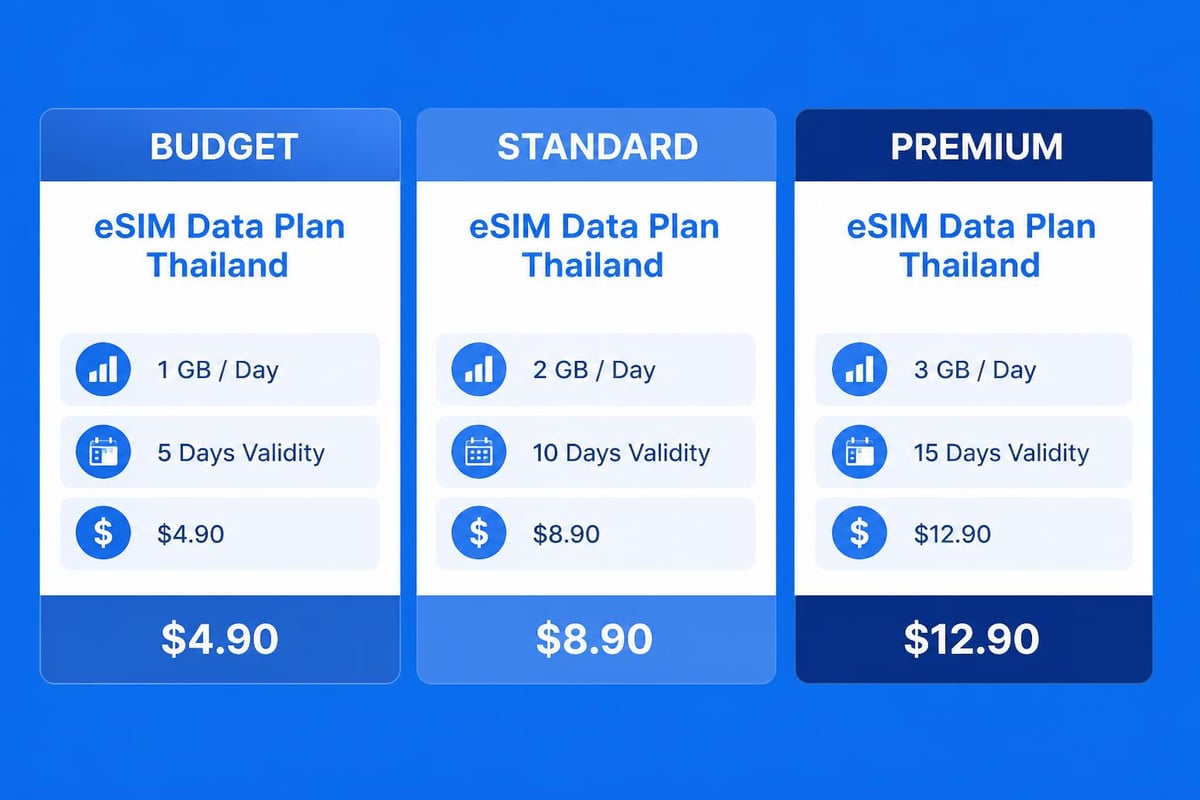
Pricing for eSIM in Thailand varies considerably based on data allowances and validity periods. Here's what you can expect in 2026:
- Budget options: £5-8 for 3-5GB valid for 7-15 days
- Mid-range plans: £12-20 for 10-20GB valid for 30 days
- Heavy users: £25-35 for unlimited or very high data caps (50GB+)
Remember that unlimited plans often include fair usage policies. Check the fine print to understand whether "unlimited" truly means unlimited or if speeds throttle after a certain threshold.
Setting Up Your eSIM Before You Travel
The beauty of eSIM technology is that you can complete the entire setup process from your sofa at home. No more arriving at Suvarnabhumi Airport exhausted from a long flight and immediately queuing for a SIM card. Here's exactly how to get your esim in thailand working before departure.
Step-by-Step Activation Process
- Verify your device compatibility by checking whether your phone supports eSIM functionality
- Choose your provider based on your data needs and budget
- Purchase your plan through the provider's website or app
- Receive your QR code via email or within the app
- Install the eSIM profile by scanning the QR code in your phone's settings
- Activate the profile when you're ready to use it (typically when you land)
Most providers allow you to install the eSIM profile in advance but keep it inactive until you arrive in Thailand. This means you can sort everything out before your trip and simply toggle it on when you land. If you need detailed instructions for your specific device, the installation guide walks through the process for different phone models.
Common Setup Mistakes to Avoid
Even though eSIM activation is straightforward, travelers sometimes encounter hiccups. Here's what to watch out for:
- Installing while connected to WiFi is crucial - cellular data won't work for downloading the profile
- Don't delete the QR code email until you've confirmed the eSIM is working
- Check your data roaming settings are enabled for the eSIM profile
- Ensure your device isn't carrier-locked from your home provider
If you're traveling to other Southeast Asian destinations, you might want to explore options like eSIM for Singapore or eSIM for Vietnam that could offer regional coverage bundles.
Making the Most of Your Thailand eSIM
Once you've got your esim in thailand set up and activated, you'll want to optimize how you use it. Data management becomes important, especially if you're on a limited plan rather than unlimited.
Data-Saving Tips That Actually Work
- Download Google Maps offline areas for the regions you're visiting
- Use messaging apps like WhatsApp or Line rather than SMS
- Disable automatic app updates and background app refresh
- Stream music and videos on WiFi at your hotel, not on cellular data
- Enable low data mode in your phone's settings
Thailand has excellent WiFi availability in hotels, cafes, and restaurants, so you can rely on those connections for data-heavy tasks and save your cellular data for navigation and communication while you're out exploring.
Managing Multiple Connections
One brilliant feature of eSIM technology is the ability to maintain your home number alongside your Thailand data plan. Your phone can keep your regular SIM active for calls and texts while using the eSIM exclusively for data. This setup means you won't miss important calls from home while avoiding expensive roaming charges.
In your phone's settings, you can designate which line handles cellular data, calls, and messages. Typically, you'll want to set your eSIM as the default for mobile data and your physical SIM for calls.
Troubleshooting Common eSIM Issues in Thailand
Even the best technology occasionally throws up challenges. If your esim in thailand isn't working as expected, here are the most common issues and their solutions.
Connection Problems and Quick Fixes
No service showing: First, toggle airplane mode on and off. This forces your phone to search for available networks. If that doesn't work, manually select a network in your settings rather than relying on automatic selection.
Slow speeds despite good signal: You might be in an area with network congestion, especially in tourist hotspots during peak hours. Try moving to a different location or waiting until off-peak times. Alternatively, check whether you've exceeded your data allowance and been throttled.
eSIM won't activate: Double-check that you've enabled data roaming specifically for your eSIM profile. It's a counterintuitive setting, but eSIMs technically count as "roaming" even when you're in the country they're designed for.
| Problem | Likely Cause | Solution |
|---|---|---|
| "No Service" message | Profile not activated | Enable the eSIM in settings and ensure data roaming is on |
| Can't install QR code | Poor WiFi connection | Try a different network or restart your phone |
| Fast data depletion | Background apps using data | Check data usage by app and restrict background activity |
| Can't receive calls | Wrong line selected | Verify default voice line in phone settings |
If you've tried everything and still can't connect, contact your provider's support team. Most reputable eSIM companies offer 24/7 assistance through in-app chat or email.
Comparing Regional eSIM Options
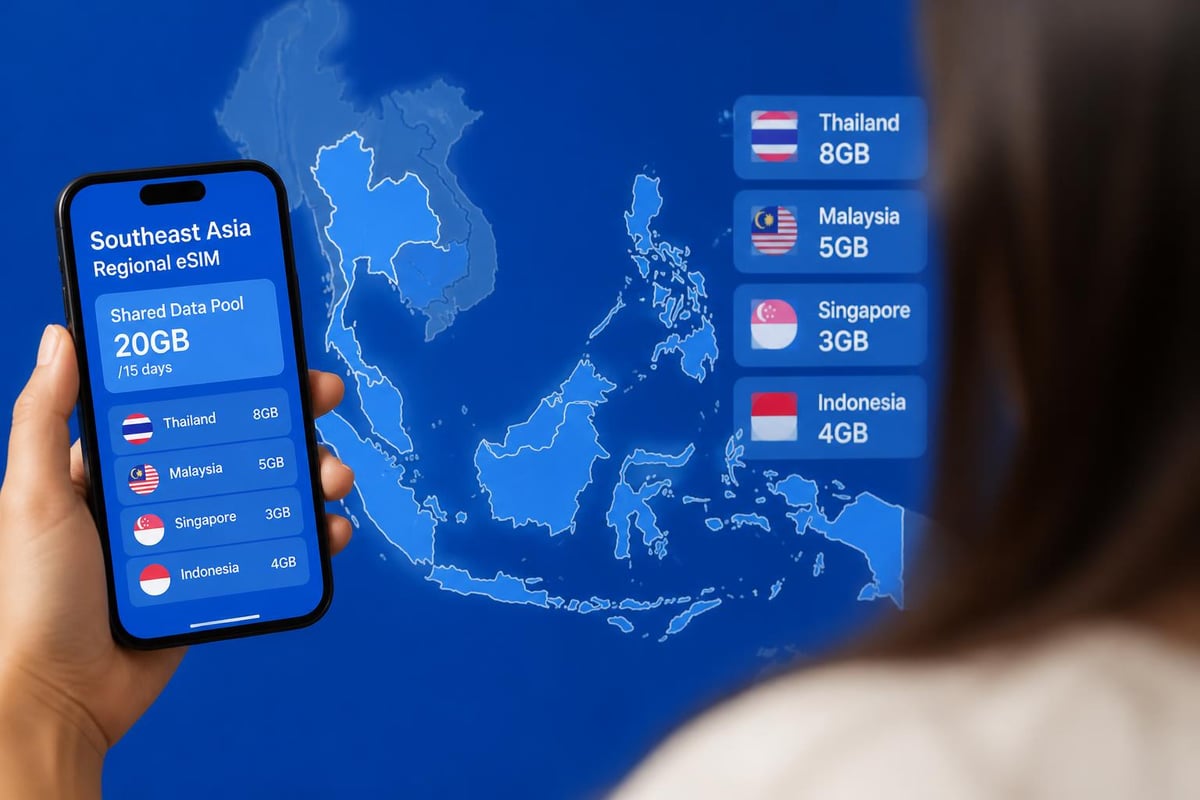
Whilst we're focusing on eSIM in Thailand specifically, it's worth noting that many travelers visit multiple Southeast Asian countries in one trip. Some eSIM providers offer regional plans covering Thailand, Vietnam, Singapore, Malaysia, and other nearby destinations.
These regional plans can offer better value if you're country-hopping, but they're not always the best choice. Sometimes buying separate country-specific eSIMs provides better rates and more data for the same price. Run the numbers based on how long you'll spend in each location.
If you're planning a broader Asian adventure, you might also want to investigate options for eSIM in Japan or eSIM in South Korea, which typically require separate plans due to different network partnerships.
Special Considerations for Different Traveler Types
Not everyone uses their phone the same way whilst traveling. Your ideal esim in thailand setup depends significantly on your travel style and connectivity needs.
Digital Nomads and Remote Workers
If you're working whilst in Thailand, reliability matters more than rock-bottom prices. You'll need:
- Higher data allowances (20GB minimum, ideally 50GB+)
- Stable connection speeds for video calls
- Longer validity periods (30 days or more)
- The ability to top up easily if you run low
Consider testing your eSIM's performance within the first day or two so you have time to switch providers if speeds aren't adequate for work calls. Major cities like Bangkok and Chiang Mai have excellent infrastructure, but verify coverage if you're planning to work from more remote areas.
Backpackers and Budget Travelers
When you're watching every penny, you'll want to maximize value:
- Choose smaller data packages and rely heavily on WiFi
- Look for providers with flexible top-up options rather than committing to large plans upfront
- Consider comparing different providers to find the best rates
- Share your connection via hotspot with travel companions to split costs
For detailed guidance on setting up your connection, check out resources about iPhone eSIM activating which walk through the technical steps clearly.
Family Groups and Tour Groups
Traveling with multiple people adds complexity but also opportunities:
- Some providers offer package discounts for multiple eSIMs purchased together
- One person with unlimited data can hotspot for others (check provider policies)
- Kids' devices might need separate eSIMs if they're not always near parents
- Ensure everyone's devices are eSIM-compatible before committing to group plans
The Future of eSIM in Thailand
eSIM adoption in Thailand has accelerated dramatically over the past two years. Local operators are expanding their eSIM offerings, and international providers are improving their Thailand-specific plans. We're seeing several trends that will shape connectivity in 2026 and beyond.
Emerging Developments to Watch
Thai telecoms are rolling out broader 5G coverage, which means eSIM users can access faster speeds in more locations. The government has also streamlined regulations around tourist SIMs, making it easier for eSIM providers to offer competitive services.
According to recent analysis of eSIM technology applications, the technology is expanding beyond smartphones into IoT devices, smartwatches, and tablets, which could open new use cases for travelers.
Pricing Trends and Market Competition
Increased competition among eSIM providers has driven prices down whilst improving service quality. In 2026, we're seeing more providers offer Thailand-specific plans rather than bundling the country into broader Asian packages. This specialization typically means better value for travelers focusing on Thailand.
Flash Global SIM and similar providers have introduced flexible Thailand eSIM plans with varied data options and validity periods, giving travelers more choice than ever before.
Device Compatibility: Will Your Phone Work?
Before getting too excited about eSIM in Thailand, you need to verify your device actually supports the technology. Not every smartphone has eSIM capability, and even some newer models have limitations.
Checking Your Device Compatibility
Most iPhones from the XS/XR generation onwards support eSIM. For Android devices, it's more varied - flagship models from Samsung, Google Pixel, and others generally include eSIM, but budget and mid-range phones often don't.
The quickest way to check is looking in your phone's settings. On iPhone, go to Settings > Cellular > Add Cellular Plan. If you see this option, you're eSIM-compatible. Android varies by manufacturer, but generally you'll find it under Settings > Network & Internet > Mobile Network.
For a comprehensive list of supported devices, the compatible devices page provides detailed information about which phones work with eSIM technology.
Carrier Lock Considerations
Even if your phone physically supports eSIM, your home carrier might have locked it. This particularly affects phones purchased on contract or payment plans. Contact your home provider to request an unlock before traveling. This process can take several days, so don't leave it until the last minute.
Practical Tips from Experienced Thailand Travelers
After helping thousands of travelers get connected in Thailand, certain patterns and recommendations emerge consistently. Here's the collective wisdom that'll help you avoid common pitfalls with your esim in thailand.
Activate before you absolutely need it. Don't wait until you desperately need directions to activate your eSIM. Do it when you land and have airport WiFi, giving yourself time to troubleshoot if needed.
Screenshot your eSIM details. Save screenshots of your QR code, APN settings, and provider contact information. If something goes wrong, you'll need these details, and you might not have internet access to retrieve them.
Keep your physical SIM. Even though you're using an eSIM, don't throw away or lose your original SIM card. You'll need it when you return home, and some travelers like having a backup option.
For visual learners, there are helpful guides available, like this step-by-step video on setting up eSIM for Thailand that demonstrates the entire process.
Real-World Data Usage: What Do You Actually Need?
One of the trickiest parts of choosing an esim in thailand plan is estimating how much data you'll actually use. Here's what typical activities consume:
- Navigation and maps: 5-10MB per hour of active use
- Social media browsing: 50-100MB per hour
- Messaging apps: 1-5MB per hour
- Video streaming: 1-3GB per hour depending on quality
- Video calls: 300-500MB per hour
- Email and web browsing: 10-25MB per hour
For a week-long holiday with moderate use (navigation, social media, messaging, occasional video calls), most travelers use between 3-7GB. Heavy users who stream content and make frequent video calls might consume 15-25GB in the same period.
If you're unsure, start with a smaller plan from a provider that offers easy top-ups. You can always add more data, but you can't get refunds for unused allowances.
Why Modern Travelers Choose Digital-First Solutions
The shift toward eSIM in Thailand reflects a broader travel trend toward digital-first solutions. Just as we've moved from paper tickets to mobile boarding passes and from guidebooks to apps, connectivity has gone digital too.
This transition offers genuine advantages beyond just convenience. Digital eSIM profiles are more secure than physical cards, activate faster, provide better account management through apps, and eliminate the environmental waste of plastic SIM cards and packaging.
Many seasoned travelers now use services like gosimless.app, which provides instant eSIM activation for flexible coverage without the hassle of physical SIM cards or roaming fees. The platform's straightforward approach matches well with modern travel needs - quick setup, transparent pricing, and reliable connectivity when you need it most.
Getting Help When You Need It
Even with the best preparation, you might need assistance with your esim in thailand. Knowing where to turn for help before problems arise can save significant stress during your trip.
Support Resources Worth Bookmarking
Most quality eSIM providers offer multiple support channels:
- In-app chat support for quick questions and troubleshooting
- Email support for more detailed issues
- FAQ sections covering common setup and usage questions
- Community forums where travelers share experiences and solutions
The FAQ section at gosimless.app addresses many common questions about eSIM usage, activation, and troubleshooting that apply broadly across providers.
Don't hesitate to reach out to support teams. They genuinely want your service to work properly, and most issues can be resolved quickly with their guidance.
Using an eSIM in Thailand transforms your travel experience by keeping you connected without the hassles of physical SIM cards, airport queues, or confusing activation processes. Whether you're exploring Bangkok's temples, relaxing on Koh Samui's beaches, or trekking in Chiang Mai's mountains, reliable connectivity makes everything easier and safer. Ready to stay connected on your Thailand adventure? gosimless.app offers instant eSIM activation with affordable data plans, secure payments, and support across 200+ countries - giving you one less thing to worry about so you can focus on making memories.
gosimless Team
The gosimless editorial desk — testing eSIMs, carriers and travel connectivity so you don't have to. Updated continuously from the road.