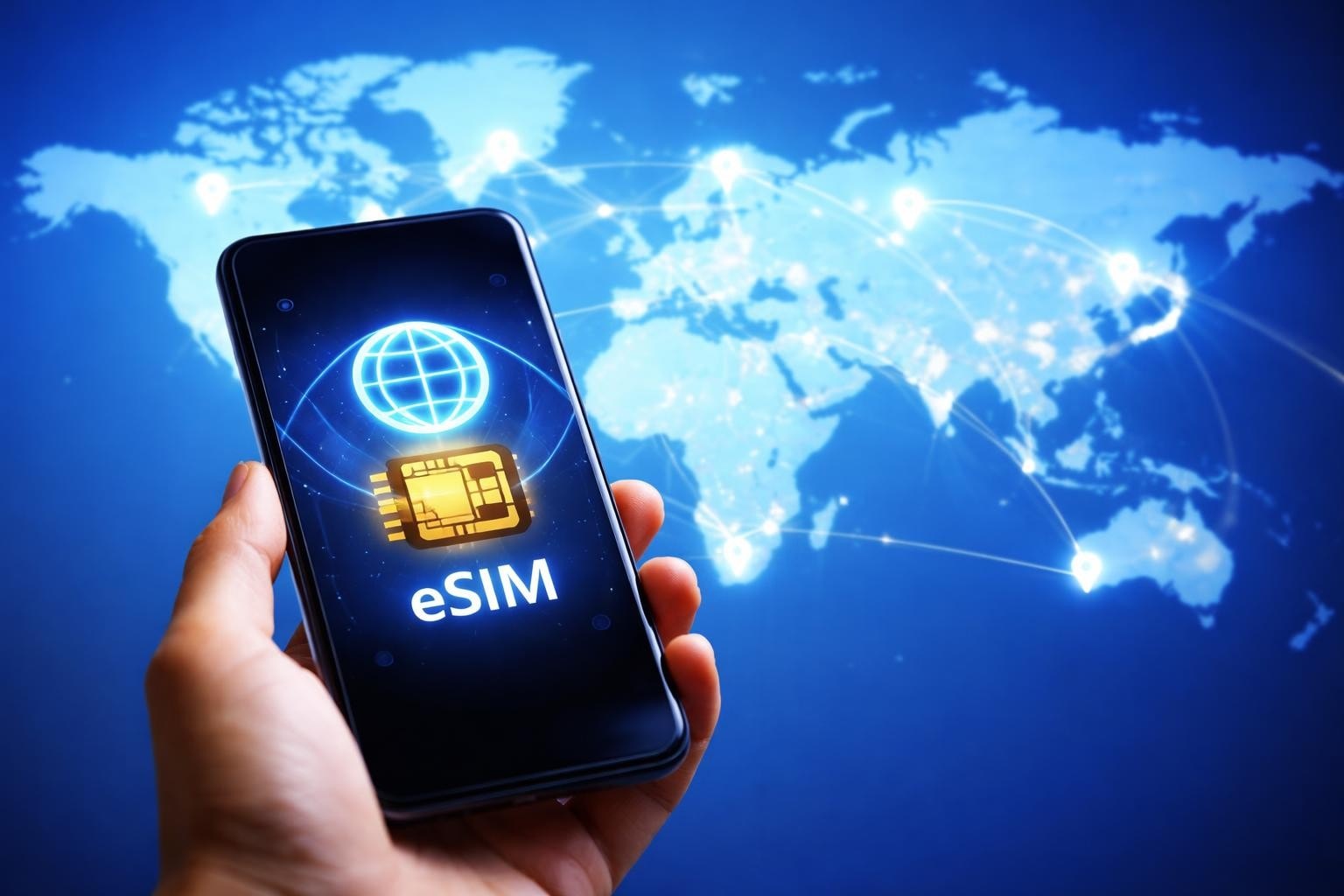
Imagine landing in Tokyo, then hopping over to Bangkok, and finishing your trip in Sydney without ever worrying about finding a local SIM card or dealing with eye-watering roaming charges. That's the promise of world eSIM technology, and it's genuinely transforming how we stay connected whilst travelling. This digital approach to mobile connectivity has shifted from being a futuristic concept to an everyday reality for millions of travellers, digital nomads, and business professionals who need reliable internet access wherever they go. According to recent eSIM statistics, adoption rates have skyrocketed since 2024, with projections showing continued growth throughout 2026 and beyond.
What Exactly Is a World eSIM?
Let's start with the basics. A world eSIM is essentially a digital SIM card that's embedded directly into your device, allowing you to activate mobile data plans across multiple countries without swapping physical cards. Unlike traditional SIM cards that you pop in and out of your phone, an eSIM is built into your device's hardware and can be programmed remotely.
Think of it as having a universal adapter for mobile connectivity. Rather than collecting a drawer full of SIM cards from different countries, you download a digital profile that connects you to local networks wherever you travel.
The Technology Behind the Convenience
The magic happens through something called eUICC (embedded Universal Integrated Circuit Card) technology. This eUICC standard enables your device to store multiple carrier profiles simultaneously and switch between them as needed.
Here's what makes world eSIM technology particularly clever:
- Remote provisioning: Download and activate plans instantly through a QR code or app
- Multiple profiles: Store several eSIM profiles on one device
- Instant switching: Change between different carriers without physical cards
- Future-proof: Compatible with the latest smartphones, tablets, and smartwatches
You're essentially carrying a digital passport for mobile connectivity that works across borders without the faff of traditional roaming.
Why World eSIM Makes Sense for International Travellers
Have you ever scrambled through an airport trying to find a shop that sells local SIM cards, only to realise you need a paperclip to open your SIM tray? Or worse, you've accidentally lost that tiny piece of plastic somewhere between security and your gate? World eSIM eliminates these headaches entirely.
The benefits extend far beyond simple convenience. For frequent travellers, business professionals, or anyone who values staying connected, world eSIM technology offers genuine advantages that traditional options simply can't match.
| Traditional SIM Cards | World eSIM |
|---|---|
| Physical card required | Completely digital |
| Purchase at airports or shops | Instant online activation |
| Risk of losing or damaging | No physical component to lose |
| One country per card | 200+ countries with one profile |
| Roaming fees apply | Local network rates |
| Device must be unlocked | Works with compatible devices |
Cost Savings That Actually Matter
Let me be honest with you: roaming charges are absolutely ridiculous. Major carriers often charge £5-15 per day just for the privilege of using your phone abroad. Over a two-week holiday, that's potentially £210 in fees before you've even used any data.
World eSIM plans typically offer data packages at a fraction of that cost. You're paying for local network access at near-local rates, which means significant savings on longer trips or for those who travel regularly.
Choosing the Right World eSIM Provider
Not all world eSIM providers are created equal, and the market has become increasingly crowded in 2026. With numerous options available, it's worth understanding what separates the excellent from the merely adequate.
When evaluating providers, you'll want to consider several key factors:
- Geographic coverage: Does the provider cover all your destinations?
- Data allowances: Are the packages suitable for your usage patterns?
- Validity periods: How long can you use the data before it expires?
- Network quality: Which local carriers do they partner with?
- Customer support: Can you get help when you need it?
- Pricing transparency: Are there hidden fees or charges?
The leading eSIM brands worldwide each have different strengths, whether that's pricing, coverage, or user experience. For example, if you're planning extensive travel across Europe, you'll want a provider offering robust regional plans rather than individual country packages.
Data Requirements for Different Travel Styles
How much data do you actually need? It depends entirely on your travel style and usage patterns. A social media enthusiast streaming stories constantly will have very different needs compared to someone who primarily uses maps and messaging apps.
Light users (1-3GB): Occasional email checks, messaging, maps navigation Moderate users (5-10GB): Social media browsing, regular photo uploads, video calls Heavy users (15GB+): Streaming content, video calls, mobile hotspot for laptop work
Understanding how much data you need for international travel helps you choose appropriate packages without overpaying for unused allowances.
Setting Up Your World eSIM
The setup process has become remarkably straightforward, though it does vary slightly depending on your device and provider. Most installations take less than five minutes once you've got everything ready.
Before You Purchase
First things first: check if your device actually supports eSIM technology. The compatible devices list has grown substantially, but it's worth verifying before purchasing any plans.
Popular eSIM-compatible devices in 2026:
- iPhone XS and newer models
- Samsung Galaxy S20 and later
- Google Pixel 3 and newer
- Latest iPad Pro and iPad Air models
- Apple Watch Series 3 and later
- Various other Android flagships
The Installation Process
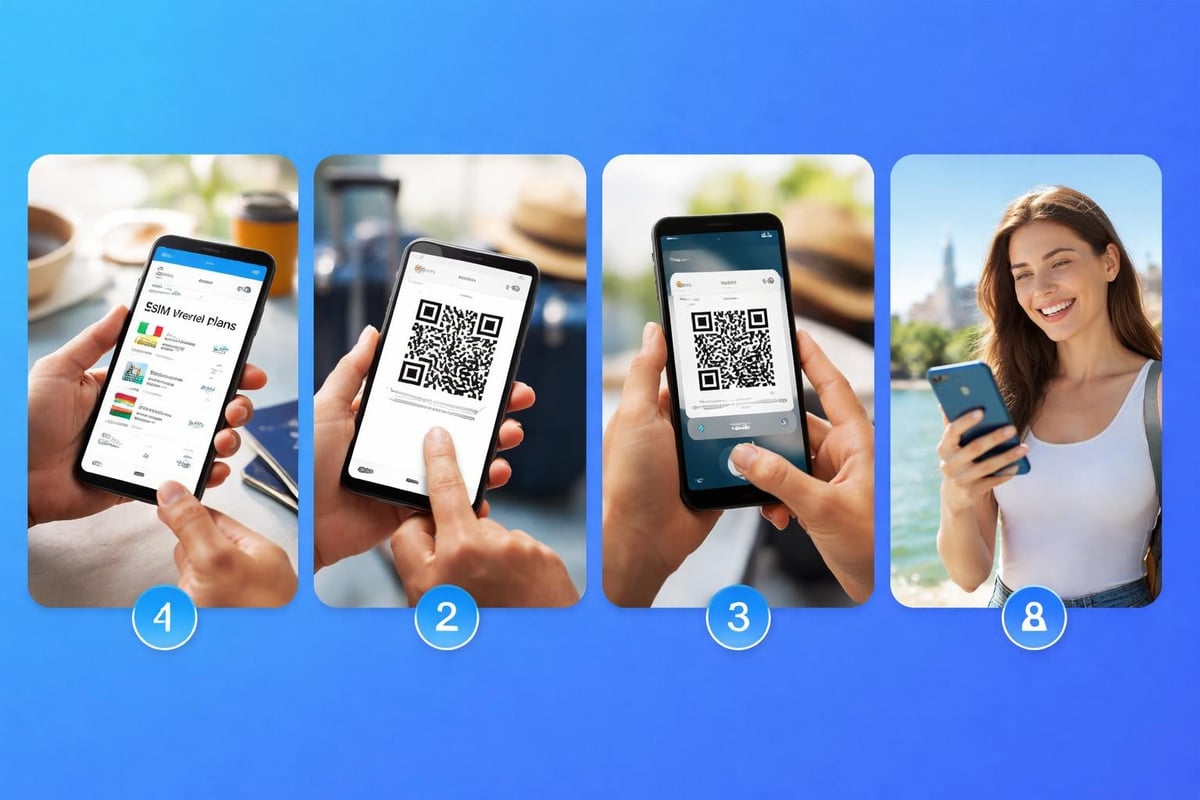
Once you've confirmed compatibility, the actual installation is pleasingly simple. Most providers follow a similar pattern that requires minimal technical knowledge.
- Purchase your chosen world eSIM plan from your provider
- Receive a QR code via email or within the provider's app
- Navigate to your device's cellular settings
- Select "Add eSIM" or "Add Cellular Plan"
- Scan the QR code with your device camera
- Follow the on-screen prompts to complete activation
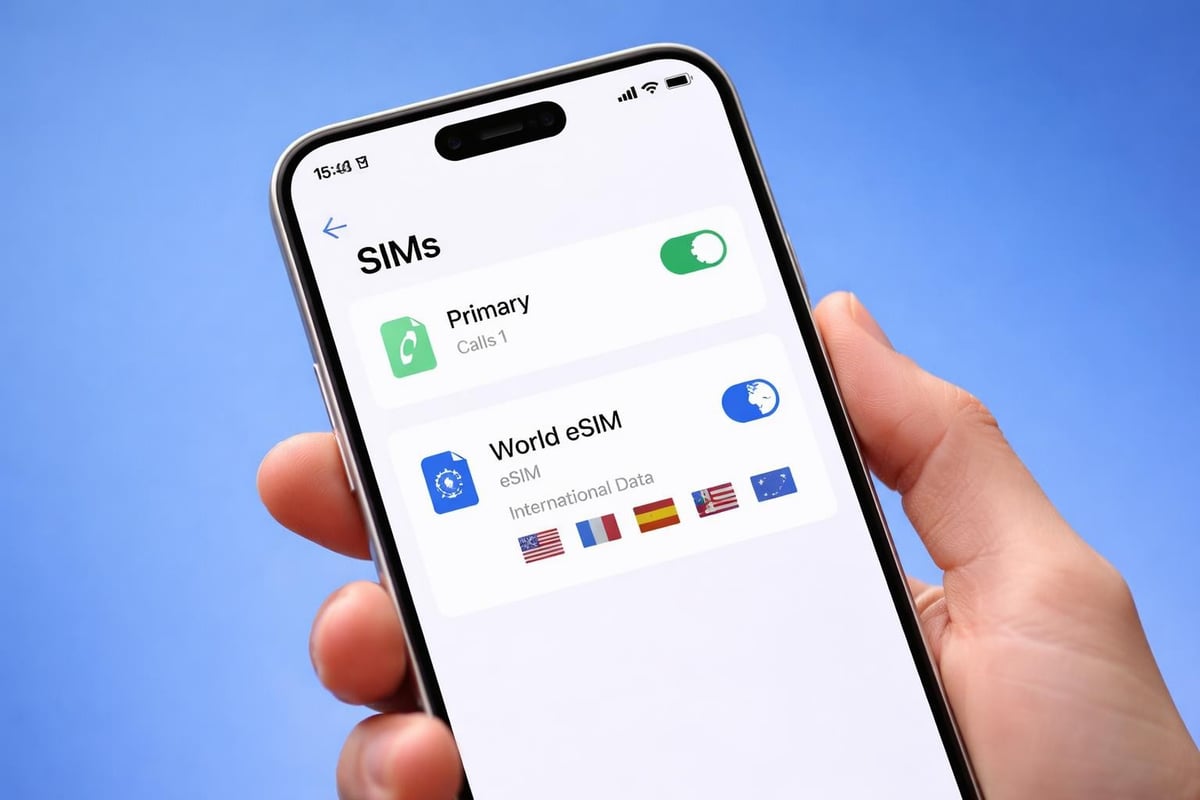
- Label your eSIM (e.g., "World Travel Data")
- Configure your preferred settings
Need more detailed guidance? The installation guide walks through device-specific instructions for smooth setup every time.
Real-World Applications and Use Cases
World eSIM technology isn't just about holidaymakers avoiding roaming fees. The applications extend across various scenarios where reliable, flexible connectivity matters.
Digital nomads working remotely benefit enormously from world eSIM plans. Moving between Thailand, Portugal, and Mexico becomes seamless when you can maintain consistent internet access without hunting for local SIM cards in each location.
Business travellers appreciate the instant activation when landing in new countries. Rather than wasting valuable meeting time sorting connectivity, you're online before leaving the aircraft.
Cruise passengers often struggle with onboard internet costs. World eSIM plans that work at ports of call offer a cost-effective alternative to ship Wi-Fi packages.
Managing Multiple Destinations
One particularly useful feature of world eSIM technology is the ability to manage connectivity across multi-country trips. If you're doing a European tour hitting Spain, France, Italy, and Greece, regional plans cover all four countries under a single data allowance.
This contrasts sharply with traditional approaches where you'd need different SIM cards or face varying roaming rates in each country. The administrative simplicity alone makes world eSIM worth considering.
Understanding the Economics of World eSIM
Let's talk money, because that's ultimately what influences most decisions. The global adoption trends show increasing competition among providers, which has driven prices down whilst improving service quality throughout 2025 and into 2026.
| Trip Duration | Traditional Roaming | World eSIM |
|---|---|---|
| Weekend (3 days) | £15-45 | £5-12 |
| Week-long | £35-105 | £12-25 |
| Two weeks | £70-210 | £20-40 |
| Month | £150-450 | £35-75 |
These figures represent typical scenarios and vary based on data usage, but the pattern holds: world eSIM consistently costs less than traditional roaming for most travellers.
Hidden Costs to Watch For
Whilst world eSIM plans generally offer excellent value, savvy travellers should watch for potential additional costs:
- Top-up fees: Some providers charge admin fees for data top-ups
- Activation charges: Occasionally added to the base plan price
- Validity restrictions: Unused data might expire quickly on budget plans
- Speed throttling: Cheaper plans may limit connection speeds
Always read the fine print before committing to any plan. Reputable providers display all costs upfront, but transparency varies across the industry.
Comparing World eSIM Against Alternatives
You've got options when it comes to international connectivity. How does world eSIM stack up against the alternatives?
International roaming through your home carrier offers simplicity but typically at premium prices. You keep your existing number and everything works automatically, but you'll pay handsomely for that convenience.
Pocket Wi-Fi devices provide shareable connectivity and can work out cheaper for groups, but you're carrying another device that needs charging and can be lost or stolen.
Local SIM cards offer the cheapest rates if staying in one country long-term, but become impractical for multi-country trips and require unlocked devices.
World eSIM sits in the sweet spot: more affordable than roaming, more flexible than local SIMs, and more convenient than pocket Wi-Fi devices.
Troubleshooting Common World eSIM Issues
Even with straightforward technology, occasional hiccups happen. Here's how to resolve the most common world eSIM problems quickly.
Connection Won't Activate
Check these first:
- Is cellular data enabled for your eSIM profile?
- Have you enabled data roaming in settings?
- Is airplane mode turned off?
- Are you within the coverage area specified in your plan?
If connection issues persist, remove and reinstall the eSIM profile. Most providers send the QR code multiple times, so you won't lose access to your plan.
Slow Data Speeds
Network congestion, local infrastructure, or plan limitations can affect speeds. Try these solutions:
- Toggle airplane mode on and off to reconnect
- Manually select a different network operator if available
- Move to a different location with better signal
- Check if your plan includes speed throttling after certain usage
The FAQ section addresses many technical questions that crop up during setup and usage.
Future of World eSIM Technology
Where's this technology heading? The trajectory suggests even broader adoption and enhanced capabilities throughout 2026 and beyond.
Device manufacturers are increasingly building eSIM as standard rather than optional. Apple eliminated physical SIM trays entirely on iPhone 14 models sold in the United States, signalling confidence in the technology's maturity.
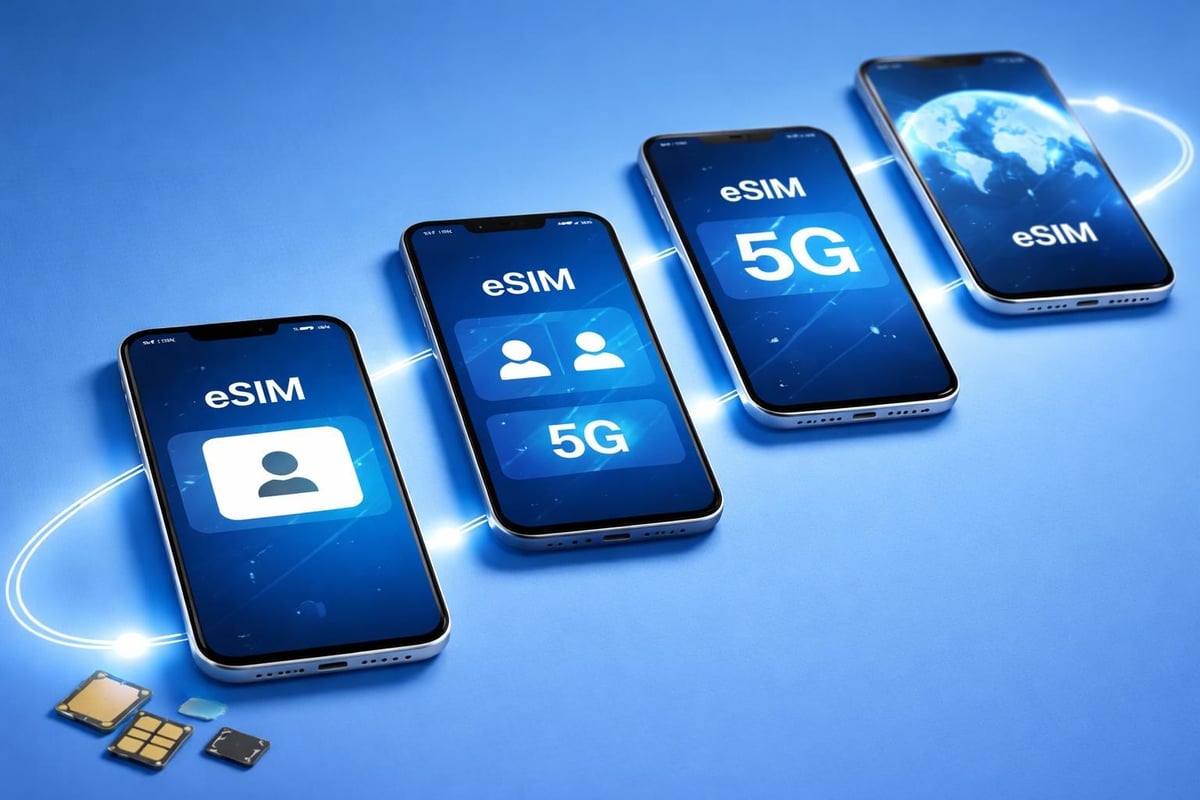
Emerging trends include:
- 5G integration: World eSIM plans increasingly offer 5G speeds where available
- IoT applications: Connected devices using eSIM for global machine-to-machine communication
- Enhanced security: Improved encryption and authentication protocols
- Simplified management: Better apps and interfaces for profile management
- Competitive pricing: Continued price reductions as the market matures
Industry analysts predict that by 2028, the majority of new mobile devices will ship with eSIM as the primary connectivity method, with physical SIM slots becoming legacy features.
Making the Switch to World eSIM
Ready to ditch physical SIM cards? The transition is less daunting than you might imagine, and most users wonder why they didn't make the switch sooner.
Start by verifying your device compatibility and understanding your typical data usage patterns. If you're unsure about committing to world eSIM long-term, try a short-term plan for an upcoming trip to test the waters.
Many travellers maintain both options initially: keeping their physical SIM for home use whilst adding world eSIM profiles for international travel. Modern smartphones handle dual SIM functionality elegantly, allowing you to keep your primary number active for calls whilst using eSIM for data.
Best Practices for World eSIM Users
Before travelling:
- Install and test your eSIM profile before departure
- Screenshot or save your QR code offline
- Verify coverage in your destination countries
- Update your device software to the latest version
While travelling:
- Monitor your data usage through your provider's app
- Disable automatic app updates and background refresh
- Use Wi-Fi for large downloads when available
- Keep your eSIM QR code accessible for reinstallation if needed
These simple habits prevent frustration and ensure smooth connectivity throughout your journey.
World eSIM technology has fundamentally changed how we approach international connectivity, offering flexibility, cost savings, and convenience that traditional methods simply can't match. Whether you're planning a quick business trip or an extended adventure across multiple continents, understanding how world eSIM works empowers you to stay connected without the traditional hassles or expenses. If you're ready to experience seamless global connectivity across 200+ countries with instant activation and no roaming fees, gosimless.app makes it simple to get started with affordable, flexible plans that work on your schedule.
gosimless Team
The gosimless editorial desk — testing eSIMs, carriers and travel connectivity so you don't have to. Updated continuously from the road.