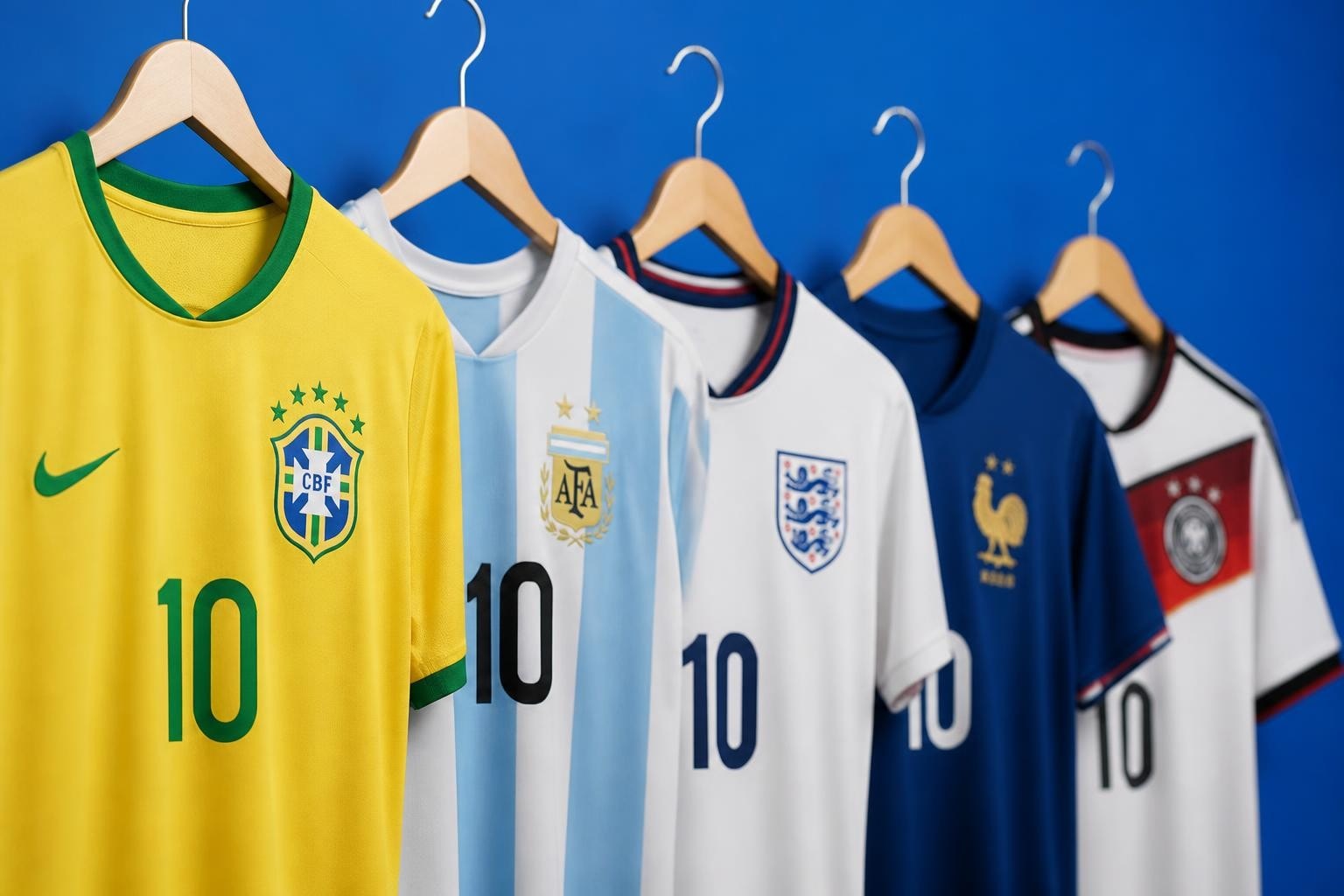
There's something magical about slipping on a football jersey and feeling instantly connected to millions of fans across the globe. World Cup jerseys aren't just sportswear-they're symbols of national pride, cultural identity, and shared passion that transcend borders. Whether you're planning to support your team at the 2026 FIFA World Cup across North America or cheering from home, understanding the artistry and tradition behind these iconic kits adds another layer of appreciation to the beautiful game. Let's dive into what makes world cup jerseys such powerful cultural artefacts and how they've evolved into the fashion statements we see today.
The Cultural Significance Behind World Cup Jerseys
Why do we feel such a strong emotional connection to a piece of clothing? World cup jerseys represent far more than team colours. They're wearable symbols of heritage, history, and hope.
Each nation's kit tells a story. Argentina's sky blue and white stripes mirror their flag, while Brazil's vibrant yellow evokes sunshine and samba. The creative and culturally rich designs of soccer jerseys featured in recent tournaments highlight how each kit reflects unique national identities and histories that resonate with supporters worldwide.
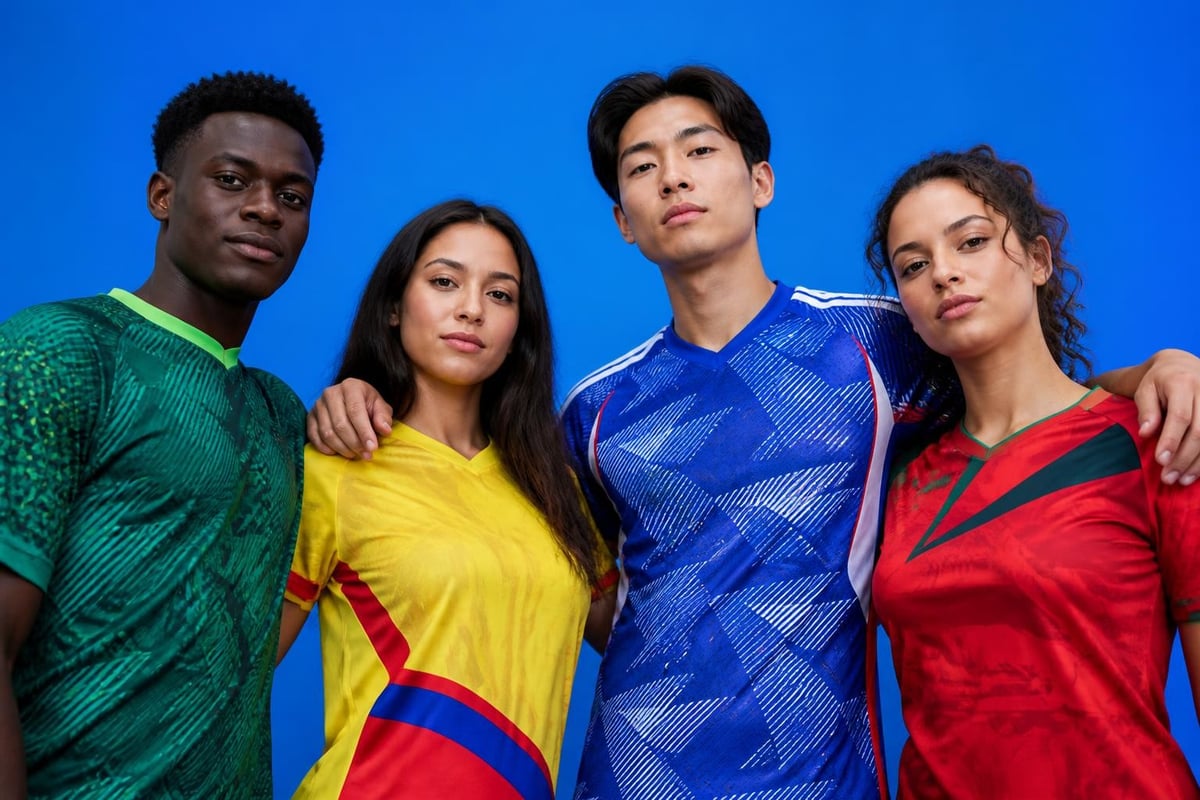
Design Elements That Define Nations
- Colour psychology: Red for passion (Spain), green for natural heritage (Nigeria), blue for royalty (France)
- Historical references: Classic patterns honouring past victories or significant cultural moments
- Modern innovation: Sustainable materials and performance fabrics meeting FIFA regulations
- Cultural symbols: Subtle patterns incorporating traditional art, wildlife, or national motifs
The 2026 World Cup will showcase 48 teams-the largest tournament yet-meaning we'll see an unprecedented variety of world cup jerseys on display. This expansion brings new nations and their unique design perspectives into the global spotlight.
The Evolution of Football Kit Design
Remember those heavy cotton jerseys from decades past? Thank goodness we've moved on. The journey from basic wool shirts to today's high-tech performance wear represents a fascinating intersection of sport, science, and style.
In the early World Cup tournaments, players wore thick, long-sleeved jerseys that absorbed sweat like sponges. By the 1970s, synthetic materials began appearing, revolutionising comfort and performance. The 1990s brought us those memorable (and sometimes questionable) geometric patterns and bold colour combinations.
| Era | Material | Design Trend | Notable Example |
|---|---|---|---|
| 1930s-1950s | Heavy cotton/wool | Simple, solid colours | Uruguay's light blue |
| 1960s-1970s | Cotton-polyester blend | Introduction of numbers | Brazil's 1970 yellow |
| 1980s-1990s | Synthetic fabrics | Bold patterns, sponsors | Germany's 1990 geometric |
| 2000s-2010s | Moisture-wicking tech | Sleek, fitted designs | Spain's 2010 champion kit |
| 2020s | Recycled materials | Sustainable innovation | Various 2022 designs |
Today's world cup jerseys incorporate cutting-edge technology. Moisture-wicking fabrics keep players cool, strategic ventilation panels enhance airflow, and lightweight materials reduce drag. Some kits even feature data-tracking capabilities for training purposes.
The AI Design Controversy
But has innovation gone too far? Nike's recent foray into AI-assisted design sparked considerable debate. Critics have questioned Nike's AI-assisted World Cup kit design for 2026, highlighting design flaws and raising important questions about the role of artificial intelligence in creative processes. Can algorithms truly capture the soul and tradition that make world cup jerseys meaningful?
Wearing Your Support: Fashion Meets Football
You don't need to be on the pitch to rock a football jersey. In 2026, world cup jerseys have become legitimate fashion statements that bridge the gap between athletic wear and everyday style.
The key is knowing how to style them. Fashion guides for wearing soccer jerseys show how to blend sportswear with elevated pieces for a polished look. Pair your favourite kit with tailored trousers or a denim skirt, layer it under a blazer, or accessorise with statement jewellery to create a look that's uniquely yours.
Styling Tips for Match Day and Beyond
For casual match viewing:
- Jersey with comfortable jeans and trainers
- Add a team scarf or cap for extra spirit
- Keep accessories minimal and team-coordinated
For going out:
- Tuck jersey into high-waisted trousers or a midi skirt
- Layer with a leather jacket or structured blazer
- Elevate with heeled boots or stylish loafers
- Add bold accessories that complement team colours
For athletic activities:
- Pair with athletic shorts or leggings
- Layer under a zip-up for temperature control
- Complete with proper football boots or running shoes
The beauty of world cup jerseys lies in their versatility. They work equally well at the pub, the park, or even dressed up for a casual dinner.
Special Features and Collectible Elements
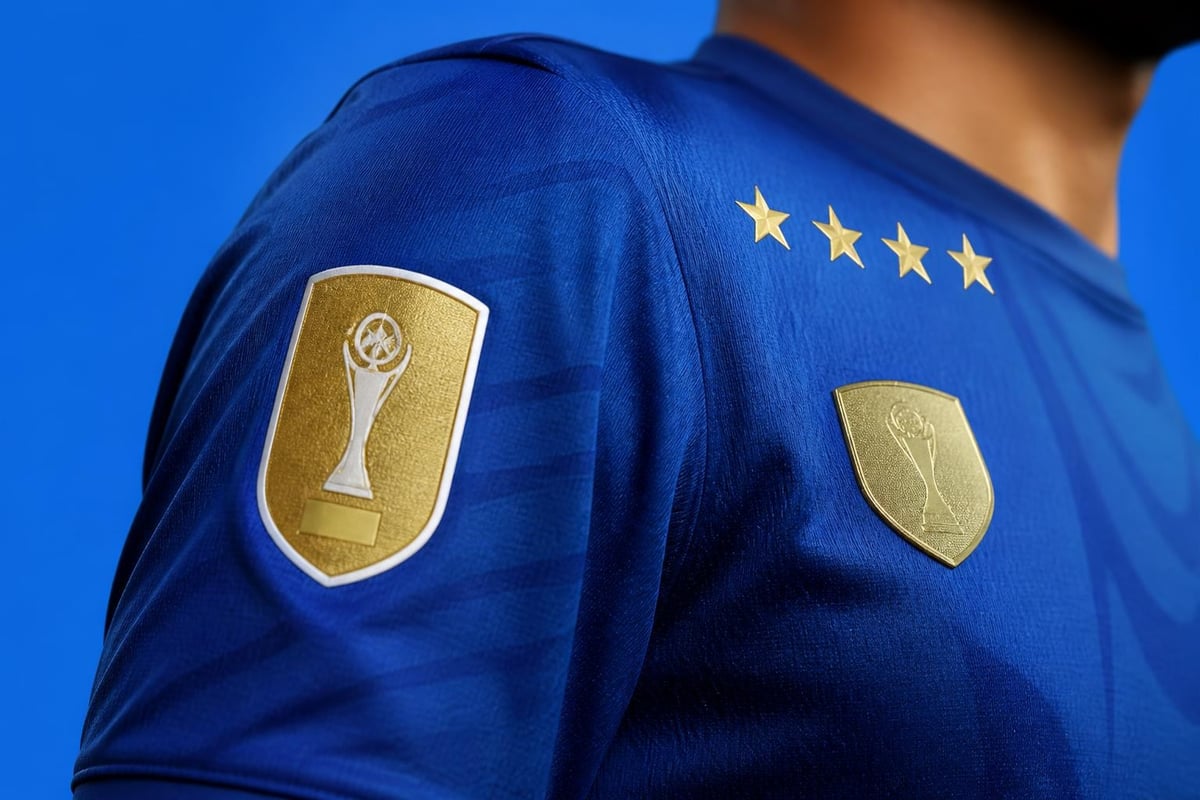
Have you noticed those special patches players wear during matches? The patches on players' shirts at the World Cup serve meaningful purposes, from "Debut" patches for first-time participants to championship stars indicating past victories. These details transform world cup jerseys into collectible items with historical significance.
What Makes a Jersey Collectible
- Tournament-specific badges: Official World Cup logos and host nation details
- Limited edition runs: Special colourways or commemorative releases
- Player signatures: Match-worn or autographed versions
- Historical significance: Kits worn during legendary matches or upsets
- Rare variations: Pre-release samples or prototype designs
The market for vintage world cup jerseys has exploded. A pristine 1986 Argentina jersey or a classic 1998 France kit can fetch hundreds or even thousands of pounds from serious collectors.
Where to Buy Authentic World Cup Jerseys
Nothing beats owning the real deal. But with the popularity of world cup jerseys comes the unfortunate reality of counterfeits flooding the market.
The official FIFA store offers comprehensive collections of authentic 2026 World Cup jerseys, ensuring you're getting genuine team kits. Official retailers guarantee quality, proper licensing, and ethical manufacturing practices.
Red flags for fake jerseys:
- Suspiciously low prices (usually 50% or more below retail)
- Poor stitching quality or misaligned badges
- Incorrect fonts on names and numbers
- Flimsy materials that don't match official specifications
- Missing official tags or licensing information
Trusted purchasing channels:
- Official FIFA and team websites
- Licensed sports retailers (brick-and-mortar and online)
- Direct from kit manufacturers (Nike, Adidas, Puma)
- Reputable vintage specialists for older kits
Supporting Your Team Across Borders
Planning to follow your team to multiple World Cup 2026 venues across Canada, the United States, and Mexico? You'll want to share your world cup jerseys on social media, stay connected with fellow supporters, and navigate unfamiliar cities-all while avoiding expensive roaming charges.
This is where staying connected becomes crucial. When you're travelling between matches in different countries, having reliable mobile data without the hassle of swapping physical SIM cards makes the entire experience smoother. Modern eSIM technology for World Cup travel lets you activate affordable data plans instantly across all three host nations, ensuring you can share those match-day moments in your favourite jersey without connectivity worries.
Essential Travel Tips for World Cup Supporters
- Plan your kit rotation: Bring multiple world cup jerseys for different matches and weather conditions
- Pack smart: Roll jerseys to prevent creasing; pack a small steamer
- Stay connected: Set up your mobile data before departure
- Document everything: Share your jersey photos and match experiences in real-time
- Respect local customs: Research appropriate attire for non-match activities
Whether you're heading to matches in Canada, the USA, or Mexico, having your connectivity sorted before you travel means more time enjoying the football and less time hunting for WiFi hotspots.
The Business Behind the Beautiful Game
Ever wondered why world cup jerseys cost what they do? The economics of football kits reveal a fascinating industry worth billions.
Major manufacturers like Nike, Adidas, and Puma pay enormous sums for exclusive rights to supply national teams. These deals often exceed £50 million annually for top-tier nations. In return, they produce kits that must meet strict FIFA performance standards while also appealing to millions of potential buyers worldwide.
| Brand | Number of Teams (2026) | Notable Partnerships | Estimated Market Value |
|---|---|---|---|
| Adidas | 12+ teams | Germany, Spain, Argentina | £850 million+ |
| Nike | 13+ teams | Brazil, France, England | £900 million+ |
| Puma | 6+ teams | Italy, Switzerland, Uruguay | £250 million+ |
| Others | Various | Smaller nations, emerging brands | £150 million+ |
The replica jersey market generates even more revenue than player kits. Fans purchase an estimated 15-20 million world cup jerseys during each tournament cycle, creating a retail phenomenon that extends far beyond the matches themselves.
Sustainability in Modern Kit Production
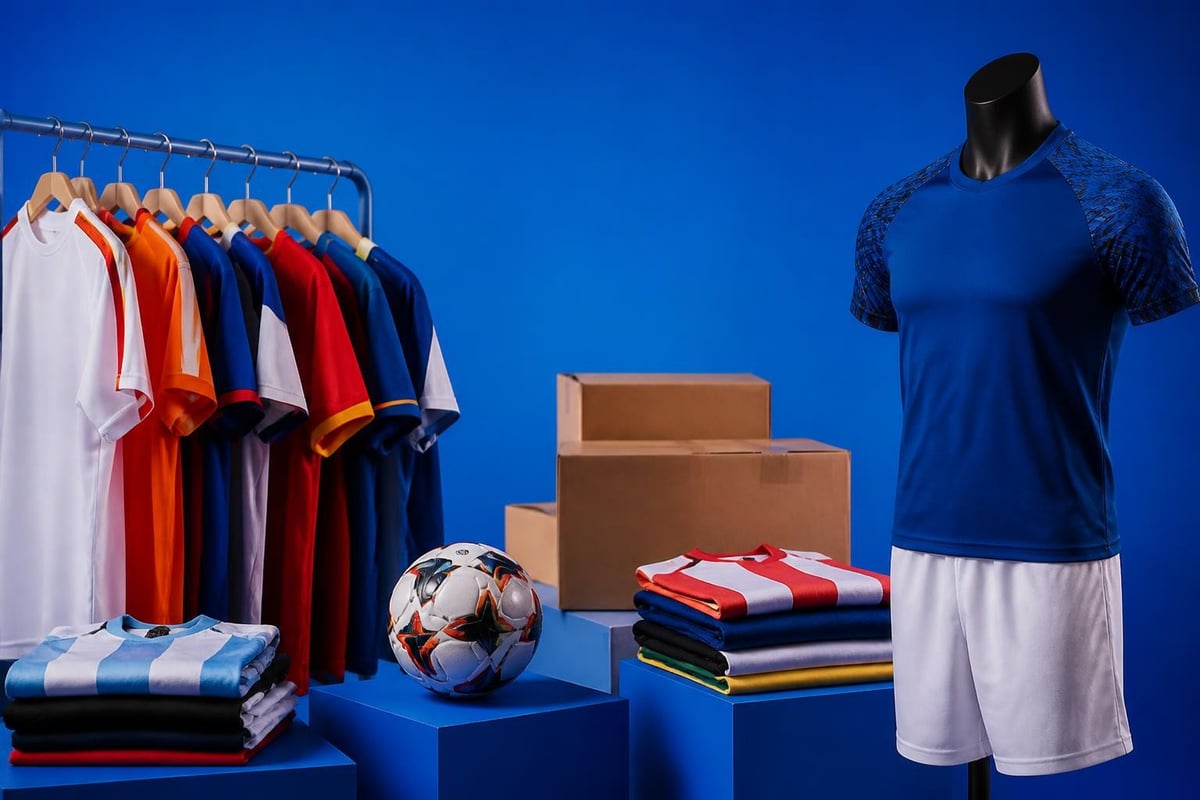
Increasingly, manufacturers face pressure to address environmental concerns. Many 2026 world cup jerseys feature recycled polyester made from ocean plastics or other post-consumer waste. While this adds to production costs, it resonates with environmentally conscious supporters who want their fandom to align with their values.
Regional Variations and Special Editions
Here's something many fans don't realise: world cup jerseys often come in different versions depending on where you buy them. Home market releases might feature unique details or colour variations not found in international versions.
Japan's kits frequently showcase intricate patterns visible only up close. African nations often incorporate traditional textile designs that celebrate indigenous craftsmanship. European teams might release special "heritage" editions that pay homage to classic designs from decades past.
Types of jersey releases:
- Authentic player versions: Match-spec materials, tighter fit, premium price
- Stadium replicas: Fan-friendly fit, slightly different materials, more affordable
- Limited editions: Special colourways, anniversary designs, collector items
- Training kits: Pre-match warmup jerseys, often overlooked but stylish
- Goalkeeper jerseys: Bold colours and unique designs for the shot-stoppers
Some collectors specifically hunt for these regional variations, creating a secondary market where rare editions appreciate in value over time.
The Psychology of Team Colours
Why does wearing your team's world cup jerseys make you feel more connected to the match outcome? Sports psychology research shows that supporters literally experience physiological changes when wearing team colours.
Your heart rate increases during tense moments. Your cortisol levels spike. You unconsciously mirror the emotions of players and fellow supporters. The jersey acts as a psychological bridge between your individual identity and the collective experience of millions sharing your passion.
This phenomenon explains why stadium atmospheres become electric when thousands of fans wear matching world cup jerseys. The visual unity reinforces the emotional bonds, creating an unforgettable shared experience that transcends the actual match result.
The Power of Shared Identity
Think about your most memorable football moment. Chances are, you remember what you were wearing and who you were with just as vividly as the match itself. World cup jerseys become tangible links to those peak experiences, stored in our wardrobes as wearable memories.
Caring for Your Collection
You've invested in authentic world cup jerseys-now protect that investment properly. These technical garments require specific care to maintain their appearance and performance properties.
Washing guidelines:
- Always turn jerseys inside out before washing
- Use cold water and gentle cycle settings
- Avoid fabric softeners (they damage moisture-wicking properties)
- Never use bleach or harsh detergents
- Air dry completely; avoid tumble dryers
Storage recommendations:
- Hang on padded hangers to maintain shape
- Store in cool, dry locations away from direct sunlight
- Use garment bags for special or vintage pieces
- Keep autographed jerseys in protective frames or cases
- Avoid plastic bags which trap moisture and cause mildew
Proper care ensures your world cup jerseys remain vibrant and wearable for years, potentially increasing their value if you're collecting investment pieces.
Looking Ahead to 2026 and Beyond
The expanded 48-team format for 2026 means more nations, more fans, and inevitably, more world cup jerseys than ever before. Emerging football nations will debut their kits on the world's biggest stage, introducing fresh design perspectives and cultural aesthetics.
Technology will continue evolving. We might see smart jerseys with integrated sensors, augmented reality features that unlock exclusive content, or even more sustainable manufacturing processes that reduce environmental impact to nearly zero.
Fashion's intersection with football culture continues strengthening, with high-end designers collaborating on special editions and streetwear brands releasing football-inspired collections. The line between sportswear and fashion becomes increasingly blurred.
What won't change? The fundamental emotional connection fans feel when they pull on their team's colours and join millions of others in celebrating the beautiful game.
World cup jerseys represent so much more than athletic apparel-they're cultural ambassadors, fashion statements, and tangible connections to the sport's most magical moments. Whether you're planning to attend matches across North America in 2026 or supporting from home, staying connected to share your match-day experiences matters. gosimless.app makes international connectivity simple with instant eSIM activation across 200+ countries, so you can focus on enjoying the football while staying connected without roaming fees or physical SIM hassles.
gosimless Team
The gosimless editorial desk — testing eSIMs, carriers and travel connectivity so you don't have to. Updated continuously from the road.