
Ever wondered what makes the world cup ball so special? From the leather panels of 1930 to the sensor-equipped spheres of 2026, this iconic piece of sporting equipment has transformed dramatically. Whether you're planning to watch matches live across North America or streaming from home, understanding the technology and innovation behind the ball adds a whole new dimension to the beautiful game. Let's dive into what makes these footballs tick and how modern travel connectivity keeps fans engaged throughout the tournament.
The Evolution of Football's Most Famous Sphere
The world cup ball has come a long way since Uruguay hosted the first tournament nearly a century ago. Back then, players kicked around heavy leather balls that absorbed water and became increasingly difficult to control in wet conditions. Fast forward to today, and we're looking at precision-engineered masterpieces that incorporate microchips, thermally bonded panels, and aerodynamic testing that would make aerospace engineers jealous.
How FIFA World Cup balls have evolved shows us that each tournament brings something new. The 1970 Telstar introduced the iconic black-and-white pentagon pattern that became synonymous with football itself. The 2006 Teamgeist reduced panels from 32 to 14, creating a smoother surface. Now, the 2026 Trionda represents the pinnacle of ball technology.
What Makes the 2026 Trionda Special
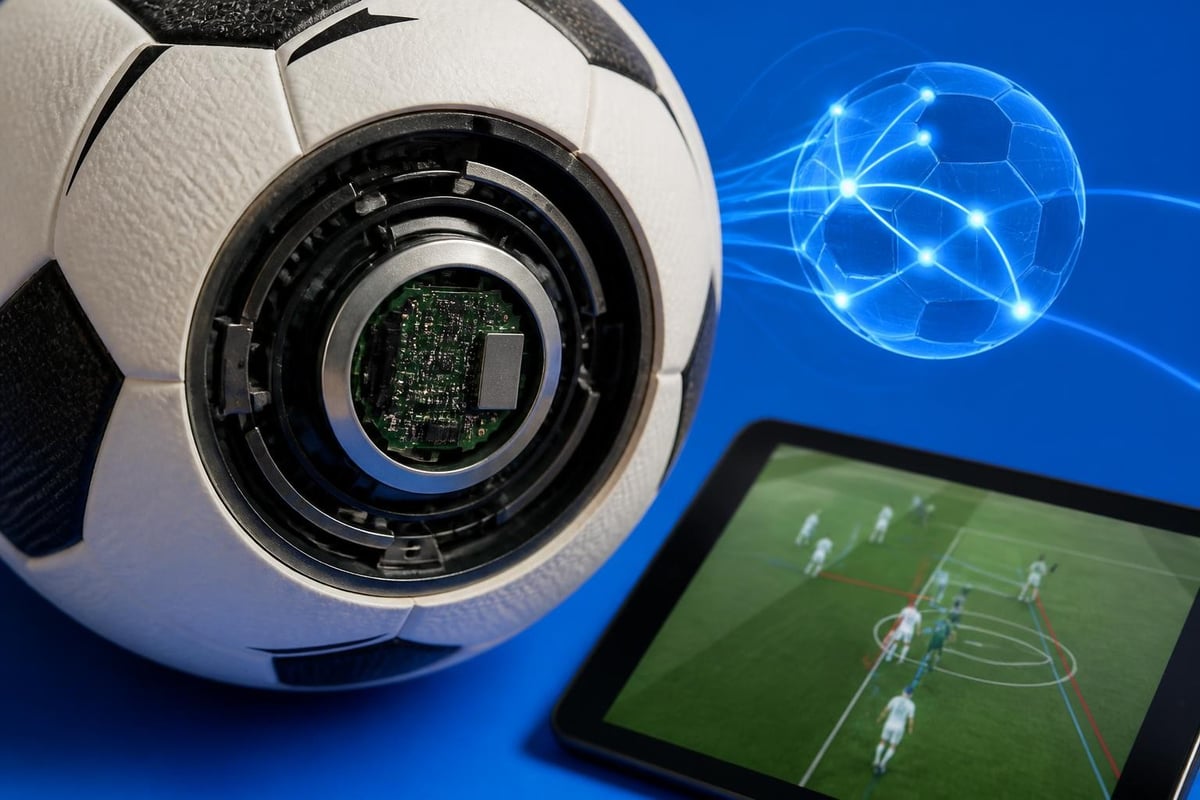
The latest world cup ball isn't just about looking good on the pitch. It's packed with technology that transforms how we understand the game.
Key features include:
- Integrated motion sensors that track position 500 times per second
- Connected ball technology for precise offside detection
- Polyurethane construction for consistent performance
- Design elements celebrating the USA, Mexico, and Canada tri-nation hosting
The polyurethane construction and ball-tracking technology represent a significant leap forward. Unlike previous World Cups where VAR decisions could take minutes, the Trionda's sensors provide near-instantaneous data to match officials. This means fewer controversial calls and more time actually playing football.
Design Philosophy: More Than Just Aesthetics
You might think a football is just a football, but the design process for a world cup ball is incredibly sophisticated. The 2026 version pays tribute to its host nations through carefully considered visual elements.
Design elements of the Trionda incorporate geometric patterns that reference the cultural diversity and landscapes of North America. The colour scheme shifts between panels, creating a dynamic visual effect as the ball spins through the air. This isn't mere decoration-it helps players, officials, and spectators track the ball's rotation and trajectory more effectively.
The Science Behind the Sphere
Creating the perfect world cup ball requires balancing multiple factors:
- Weight consistency - Must be exactly 410-450 grams
- Circumference precision - Between 68-70 centimetres
- Shape retention - Maintains spherical form under impact
- Water resistance - Performs identically in rain or shine
- Flight characteristics - Predictable aerodynamics at various speeds
Engineers spend years testing prototypes in wind tunnels and through rigorous field trials. Professional players provide feedback on how the ball feels during strikes, headers, and close control. Every gram and millimetre matters when you're creating equipment for the world's biggest sporting event.
| Testing Parameter | 2026 Standard | Why It Matters |
|---|---|---|
| Roundness | 99.5% spherical | Ensures predictable bounce |
| Water absorption | <10% weight gain | Consistent play in all weather |
| Pressure retention | <20% loss in 72 hours | Maintains performance throughout match |
| Rebound resilience | 125-155cm from 2m drop | Optimal energy return |
Technology Integration: The Smart Ball Revolution
The world cup ball has essentially become a piece of sporting hardware. The sensors embedded within the 2026 Trionda communicate with receivers positioned around the stadium, creating a comprehensive tracking system that captures every movement.
The smart ball and AI officiating technology work together to revolutionise decision-making. When a player receives the ball in a potentially offside position, the system instantly calculates limb positions and ball contact timing. This data feeds directly to the VAR team, who can make informed decisions within seconds rather than minutes.
For travelling fans following the tournament across multiple cities, staying connected to live match data and instant replays has never been more crucial. Whether you're in a stadium in Toronto or watching from a sports bar in Mexico City, having reliable internet connectivity means you won't miss crucial moments or controversial decisions being analysed.
Beyond the Pitch: Cultural Impact
The world cup ball transcends sport. Limited edition replicas become collectors' items worth thousands. Street footballers from São Paulo to Seoul dream of controlling a ball identical to what their heroes use. The design influences everything from fashion to graphic design.
Each tournament's official ball develops its own personality and reputation. Will the Trionda be remembered as the ball that finally eliminated offside controversy? Or will players criticise its flight characteristics like they did with the 2010 Jabulani? Only time will tell.
Planning Your World Cup Journey
If you're heading to North America for the 2026 tournament, you'll need more than just match tickets. The tournament spans three countries and covers enormous distances-travelling between venues requires serious planning.
Essential preparation includes:
- Booking accommodation months in advance
- Understanding visa requirements for each host nation
- Arranging reliable mobile connectivity across borders
- Planning transport between cities (some matches are 2000+ miles apart)
- Budgeting for varying costs across different regions

Many fans are discovering that staying connected across three countries traditionally meant expensive roaming charges or the hassle of buying local SIM cards at each border crossing. Modern eSIM technology solves this problem elegantly, providing seamless connectivity as you move between matches in different nations without swapping physical cards or dealing with surprise charges.
Digital Connectivity for Modern Fans
Today's football supporters don't just watch matches-they engage with them digitally. You're sharing moments on social media, checking live statistics, watching replay angles, and staying in touch with fellow fans. All of this requires robust data connectivity.
The 2026 World Cup will be the most digitally connected tournament in history. Stadiums offer augmented reality experiences, companion apps provide real-time player tracking, and social media campaigns create global conversations. Missing out on connectivity means missing half the experience.
| Travel Scenario | Connectivity Challenge | Modern Solution |
|---|---|---|
| USA to Mexico match | International roaming fees | Pre-activated regional eSIM |
| Multiple city visits | Buying SIM cards repeatedly | Single multi-country data plan |
| Stadium connectivity | Network congestion | Dedicated data allocation |
| Live streaming | Limited local data | Flexible data top-ups |
The Fan Experience Revolution
The world cup ball might grab headlines, but the overall fan experience has evolved just as dramatically. Stadiums now offer connectivity speeds that seemed impossible a decade ago. You can download match highlights in seconds, video call friends back home, and access interactive stadium guides.
Referee body cameras provide unprecedented perspectives, while 3D viewing apps transform how fans at home engage with matches. These innovations require substantial bandwidth and reliable connections.
For supporters travelling internationally, maintaining this level of digital engagement across borders can be challenging. Traditional roaming charges quickly become prohibitive. Having a data plan that works seamlessly across the USA, Mexico, and Canada ensures you're never disconnected from the action.
Stadium Technology Meets Mobile Connectivity
Modern stadiums are essentially giant connected devices. The 2026 venues feature:
- 5G networks capable of handling 50,000+ simultaneous connections
- Interactive seat displays showing replays and statistics
- Cashless payment systems requiring internet connectivity
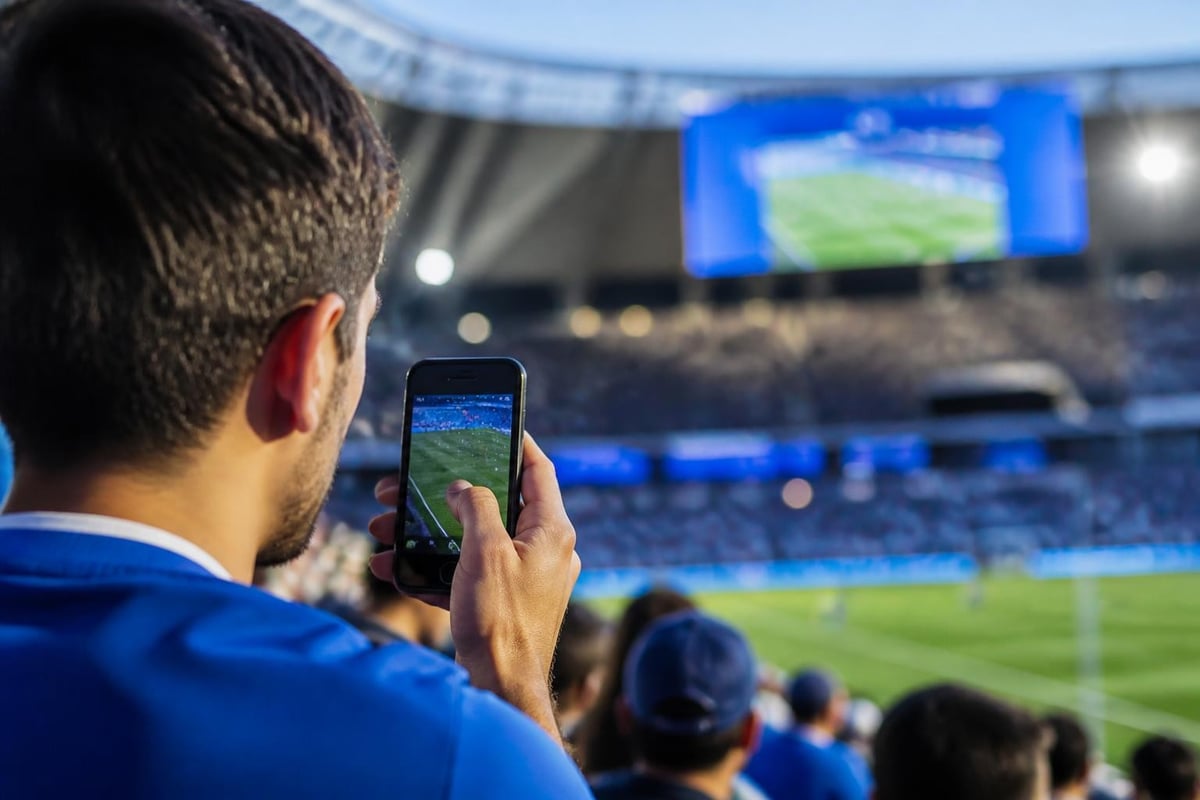
- Digital ticketing accessed through smartphones
- AR wayfinding helping fans navigate massive complexes
None of this works without your phone having reliable internet access. Imagine queuing for refreshments only to discover your payment app won't load, or missing a crucial replay because your connection dropped during the goal.
Collecting and Commemorating
The world cup ball has become a collector's item. Signed match balls from important games sell for astronomical sums at auction. Replica balls allow fans to own a piece of tournament history, while limited editions become investment pieces.
Popular collectible categories:
- Official match balls used in final matches
- Signed balls from legendary players
- Limited edition designs (often numbered)
- Prototype balls that never made production
- Vintage balls from historic tournaments
Some collectors focus exclusively on world cup balls, building displays that chronicle tournament history through spherical evolution. Others seek balls signed by entire national teams or specific legendary players.
The market for authentic world cup balls has grown significantly with the rise of online authentication services and global shipping networks. Fans can now acquire rare pieces from anywhere in the world, though verifying authenticity requires careful research and often international communication.
Training and Performance Considerations
Professional players spend months adapting to each new world cup ball. The flight characteristics, surface grip, and rebound qualities all differ slightly from their club balls. National teams invest heavily in training with official tournament balls well before competition begins.
The 2026 ball's integrated sensors add minimal weight but create subtle differences in how it feels during powerful strikes or delicate touches. Goalkeepers particularly need to adjust to how it moves through the air on long-range shots or crosses.
Amateur Players and Replica Balls
You don't need to be a professional to appreciate world cup ball technology. Replica versions make the same design available to recreational players worldwide. While they lack the expensive sensor technology, they replicate the panel configuration, surface texture, and basic flight characteristics.
Playing with a world cup ball-even a replica-connects amateur footballers to the global game. It's the same design you see on television during the biggest matches, creating a tangible link between park football and the sport's pinnacle.
Environmental Considerations
Modern world cup ball production increasingly considers environmental impact. The 2026 Trionda uses materials selected for durability and reduced environmental footprint. Adidas has committed to sustainability initiatives that extend to their flagship football products.
Sustainable production elements:
- Recycled materials in packaging
- Water-based adhesives and inks
- Energy-efficient manufacturing processes
- Extended product lifespan through quality construction
- Recyclability of components at end of life
The tournament itself generates significant environmental impact through travel, accommodation, and stadium operations. Organisers have implemented various sustainability programmes, though the sheer scale of a World Cup makes carbon neutrality challenging.
The Cultural Significance of Design
Each world cup ball tells a story. The Trionda's design celebrates North American geography, culture, and diversity. Previous balls have referenced host nation art, history, and traditions through their visual language.
Kit designs and artistic creativity often coordinate with ball aesthetics, creating a cohesive visual identity for each tournament. Graphic designers, colour theorists, and cultural consultants collaborate to ensure designs resonate globally while honouring host nations.
The ball becomes a ambassador for the tournament, appearing in promotional materials, advertisements, and cultural exhibitions worldwide. Its design needs to photograph well, look distinctive on television broadcasts, and create emotional connections with billions of viewers.
Looking Forward: Future Innovations
What comes after smart sensors and connected technology? Future world cup balls might incorporate:
- Self-adjusting aerodynamics based on altitude and weather
- Built-in cameras capturing unique match perspectives
- Advanced materials that optimise grip in any conditions
- Energy harvesting systems powering enhanced sensors
- Augmented reality markers enabling digital interactions
The fundamental sphere shape won't change-football's laws are quite specific about that-but the technology within and around the ball will continue evolving. Each World Cup pushes boundaries, and manufacturers are already developing prototypes for 2030 and beyond.
Some proposals seem almost science fiction: balls that communicate directly with players' boots, surfaces that change texture based on game situations, or materials that repair minor damage during play. Whether these innovations enhance or complicate the beautiful game remains a question for future tournaments to answer.
Making the Most of Tournament Travel
Following a World Cup across multiple countries creates memories that last a lifetime, but it requires preparation. Beyond booking tickets and accommodation, consider how you'll navigate unfamiliar cities, communicate with locals, and stay connected to friends, family, and match information.
The tournament's digital ecosystem assumes constant connectivity. From digital tickets stored on smartphones to last-minute schedule changes announced via apps, being offline means missing crucial information. Smart travellers recognise that reliable data connectivity isn't a luxury-it's essential infrastructure for the modern tournament experience.
Whether you're sharing that incredible goal on social media immediately, video calling family to share your excitement, or simply navigating to your next venue, seamless internet access across borders makes everything easier. The three-nation format of 2026 makes this even more critical than previous tournaments.
The world cup ball represents far more than leather and polyurethane-it's where cutting-edge technology meets global passion for football. As you plan your journey to follow the 2026 tournament across North America, remember that staying connected enhances every aspect of the experience. Whether you're tracking the smart ball's data, sharing moments with friends worldwide, or navigating between matches, gosimless.app provides instant eSIM activation for seamless connectivity across all three host nations, ensuring you never miss a moment of football's greatest celebration.
gosimless Team
The gosimless editorial desk — testing eSIMs, carriers and travel connectivity so you don't have to. Updated continuously from the road.