
You've probably heard the buzz about eSIM technology, but what exactly does it mean for staying connected in the United States? Whether you're planning a cross-country road trip, relocating for work, or simply visiting the States for a holiday, understanding how a us mobile esim works can save you money, time, and a whole lot of frustration. Gone are the days of hunting down physical SIM cards at airport kiosks or dealing with compatibility issues. Instead, digital connectivity has transformed how we approach mobile service, particularly in a market as diverse and competitive as America's. Let's explore everything you need to know about us mobile esim options in 2026.
What Makes US Mobile eSIM Different from Traditional SIMs
The fundamental difference between a us mobile esim and the little plastic card you've been using for years is surprisingly simple: one exists entirely in software, the other doesn't.
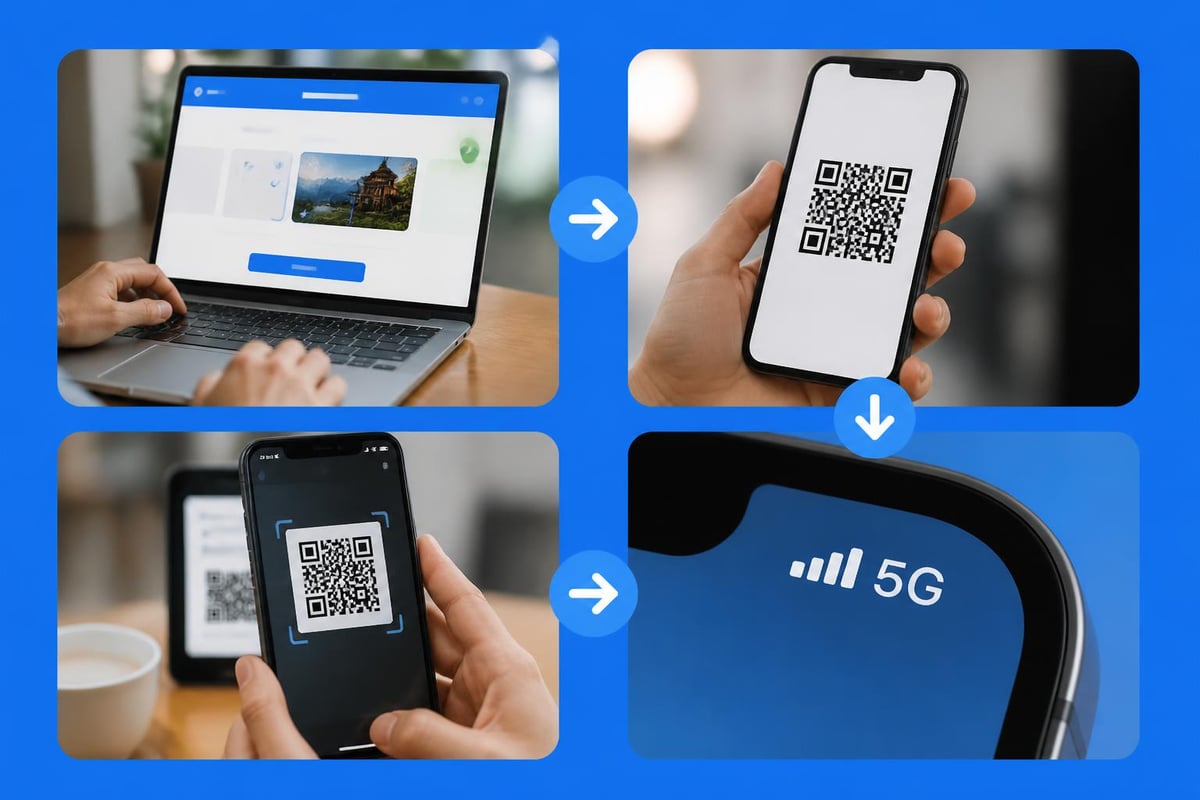
Traditional SIM cards require physical installation. You need to locate that tiny tray on your phone, find a paperclip (why is there never one around when you need it?), swap out the card, and hope you don't lose the original somewhere in your luggage. With eSIM technology, this entire process happens digitally through a QR code scan or app download.
Key advantages of choosing eSIM for US connectivity:
- Instant activation without visiting a shop
- Multiple network profiles on one device
- No physical damage or loss concerns
- Easier switching between carriers
- Environmental benefits from reduced plastic waste
The technology works by embedding a programmable SIM chip directly into your device. When you purchase a plan, you receive a digital activation code rather than a physical card. US carriers have rapidly adopted this technology, making it easier than ever to connect across the country.
Comparing US Mobile eSIM Carriers and Networks in 2026
Not all us mobile esim providers are created equal. The American market offers several major networks, each with distinct coverage patterns, pricing structures, and international capabilities.
| Carrier Type | Coverage Strength | Typical Cost | Best For |
|---|---|---|---|
| Major Networks | Nationwide | £40-70/month | Long-term residents |
| MVNOs | Varies by network | £15-35/month | Budget-conscious users |
| Travel eSIMs | Tourist areas | £5-25/week | Short visits |
| Specialized Plans | Regional | £10-40/month | Specific needs |
The three primary networks in the US are AT&T, Verizon, and T-Mobile. Each operates its own infrastructure, whilst numerous Mobile Virtual Network Operators (MVNOs) lease capacity from these major players. Understanding which networks support eSIM helps you make informed decisions about coverage quality.
Major Network Providers
Verizon typically offers the widest rural coverage, making it ideal if you're planning to explore national parks or smaller towns. Their eSIM activation process is straightforward for both domestic and international customers.
T-Mobile excels in urban areas and includes international roaming in many plans, which could be perfect if you're splitting time between the US and other countries. They've been particularly aggressive in promoting eSIM technology.
AT&T strikes a balance between the two, with solid coverage across most metropolitan and suburban areas. Their prepaid eSIM options have become increasingly competitive for temporary visitors.
Alternative eSIM Providers
Beyond traditional carriers, dedicated eSIM providers have emerged specifically for travellers and flexible users. These services often provide better value for short-term stays, with USA eSIM plans offering instant activation and affordable data without the commitment of monthly contracts.
When I visited the States last year, I was shocked at how much simpler eSIM made the entire experience compared to my previous trips. No airport queues, no confusion about which carrier to choose while jet-lagged – just scan and connect.
Setting Up Your US Mobile eSIM: Step-by-Step Process
The activation process for a us mobile esim is remarkably straightforward, though it varies slightly depending on your device and chosen provider.
Before you begin, verify your device compatibility:
- Check if your phone supports eSIM technology
- Ensure the device is unlocked (not tied to a specific carrier)
- Confirm you have a stable internet connection for initial setup
- Back up your existing mobile settings
Most modern smartphones support eSIM, but if you're unsure, the compatible devices list provides comprehensive information about which models work with eSIM technology.
Installation Process
For iPhone users (iOS 16 and later):
- Open Settings and select Cellular or Mobile Data
- Tap "Add eSIM" or "Add Cellular Plan"
- Scan the QR code provided by your carrier
- Follow the on-screen prompts to label your plan
- Choose which line to use for calls, texts, and data
For Android users (varies by manufacturer):
- Navigate to Settings > Network & Internet > SIMs
- Select "Add carrier" or "Download a SIM instead"
- Scan your activation QR code
- Configure your network preferences
- Restart your device if prompted
The installation guide offers device-specific instructions if you encounter any hiccups during setup. Most activations complete within 5-10 minutes, though occasionally network registration can take up to an hour.
Cost Comparison: What You'll Actually Pay
Let's talk money, because that's often the deciding factor when choosing a us mobile esim provider. Pricing in the American market can seem confusing, with advertised rates rarely matching what you'll actually pay.
Short-Term Plans (1-30 days)
These work brilliantly for tourists and business travellers:
- 1-week unlimited data: £15-25
- 2-week plans with 10-20GB: £20-35
- Monthly tourist packages: £30-50
- Pay-as-you-go data: £0.50-2 per 100MB
Long-Term Options (Monthly recurring)
For extended stays or relocation:
- Budget MVNOs: £15-25/month for 5-15GB
- Mid-range plans: £30-45/month for unlimited data
- Premium carriers: £50-80/month with international features
- Business plans: £60-100/month with enhanced support
Research into eSIM provider ecosystems reveals significant price variations even for identical data allowances, so shopping around genuinely saves money.
What surprised me most about us mobile esim pricing is how much cheaper dedicated travel eSIM providers can be compared to traditional carrier tourist plans. We're talking 40-60% savings in many cases.
Coverage Realities: Where Your US Mobile eSIM Actually Works
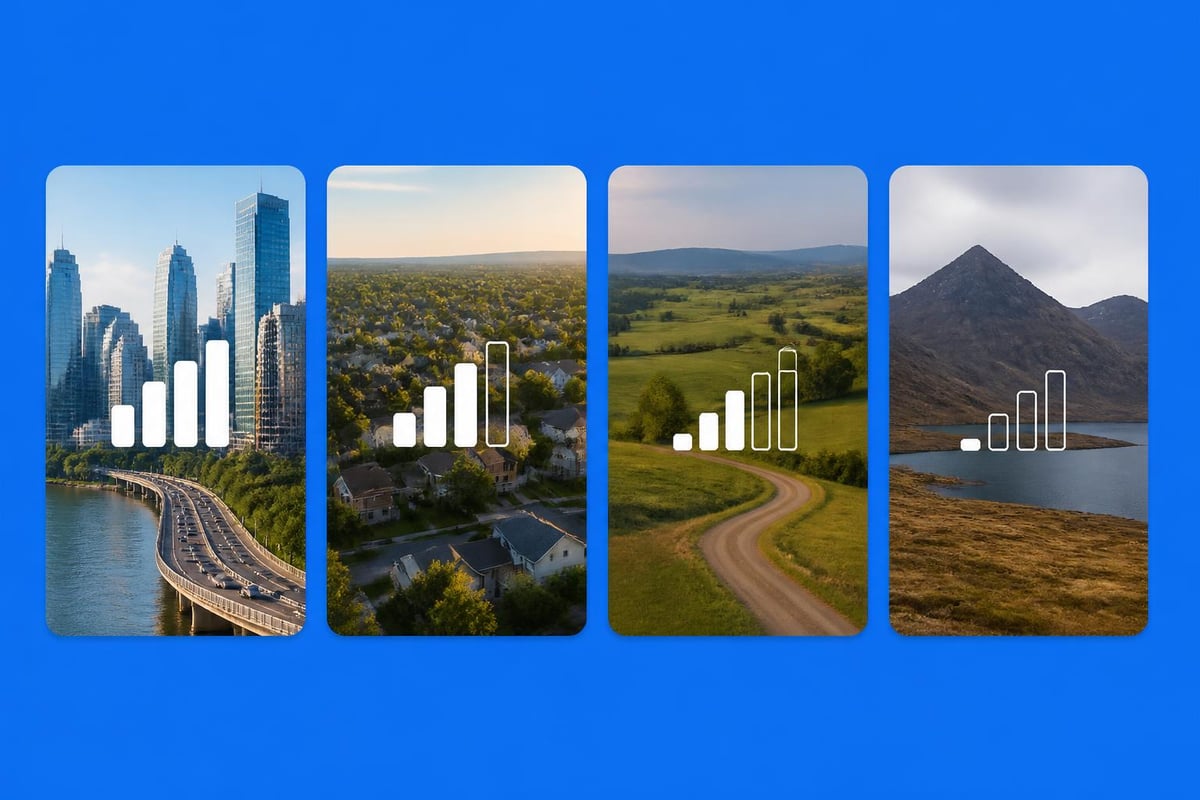
You've probably seen those coverage maps that show everything in reassuring colours, suggesting blanket connectivity across entire states. The reality? It's more nuanced.
Urban and Suburban Performance
Major cities and their surrounding areas offer excellent connectivity across all carriers. Whether you're in New York, Los Angeles, Chicago, or Houston, you'll experience fast 5G speeds and reliable connections with virtually any us mobile esim provider.
Metropolitan advantages include:
- Consistent 5G availability in city centres
- Multiple carrier options for redundancy
- Easy carrier switching if performance disappoints
- Good indoor penetration in buildings
Rural and Remote Areas
Venture beyond the suburbs, and coverage becomes more carrier-dependent. National parks, mountain regions, and rural highways present connectivity challenges regardless of which eSIM you're using.
| Region Type | Best Carrier | Typical Speeds | Reliability |
|---|---|---|---|
| Major Cities | Any | 50-200 Mbps | Excellent |
| Suburbs | Any | 25-100 Mbps | Very Good |
| Small Towns | Verizon/AT&T | 10-50 Mbps | Good |
| Rural Areas | Verizon | 5-25 Mbps | Fair-Good |
| Remote Locations | Verizon | 1-10 Mbps | Variable |
The best approach? Check specific coverage maps for areas you'll actually visit rather than relying on general nationwide statistics. Various eSIM reviews highlight real-world performance in different regions.
Managing Multiple Lines with eSIM Technology
Here's where things get interesting. Your us mobile esim doesn't have to replace your home number – it can work alongside it. This dual-SIM capability is one of eSIM's most underrated features.
Imagine keeping your UK number active for important calls whilst using an American data plan for internet browsing. You're not missing messages from home, but you're also not paying international roaming charges every time you check Instagram.
Dual-SIM Configuration Strategies
Option 1: Primary and Secondary Lines
- Keep your home SIM for calls and texts
- Use US eSIM exclusively for data
- Avoid international roaming fees entirely
- Maintain reachability on your regular number
Option 2: Full Dual Active
- Route work calls through your home number
- Use US number for local interactions
- Separate personal and business communications
- Choose which line to use per call or message
Option 3: Data-Only eSIM
- Disable calling/texting on eSIM
- Use VoIP apps for voice communication
- Minimize costs for data-heavy usage
- Maintain single phone number identity
The installation guide explains how to configure these settings on different devices, because the menu options vary considerably between manufacturers.
Data Speeds and Network Performance Expectations
What kind of performance can you realistically expect from a us mobile esim in 2026? It depends heavily on your location and chosen carrier, but 5G has become the standard rather than the exception.
Current average speeds by network type:
- 5G Ultra Wideband (mmWave): 500-2000 Mbps in coverage zones
- 5G Nationwide: 50-300 Mbps in most urban areas
- 4G LTE: 10-50 Mbps as fallback coverage
- 3G (being phased out): 1-5 Mbps in limited areas
For most travellers, even basic 4G provides more than adequate speeds for navigation, social media, video calls, and streaming. Unless you're transferring massive files or doing something particularly data-intensive, you won't notice much practical difference between mid-range 5G and premium ultra-wideband.
I've tested various us mobile esim providers whilst travelling, and honestly, the speed differences matter less than consistent connectivity. A reliable 30 Mbps connection beats sporadic 200 Mbps service every time.
Troubleshooting Common US Mobile eSIM Issues
Even with improved technology, occasional problems arise. Let's address the most frequent issues you might encounter.
Activation Failures
Problem: QR code won't scan or activation fails Solutions:
- Ensure strong internet connection (use WiFi)
- Verify the QR code hasn't expired
- Check device software is updated
- Try manual entry of activation code
- Contact provider support for replacement QR
No Network Connection
Problem: eSIM installed but no cellular service Solutions:
- Toggle Airplane mode on and off
- Restart your device completely
- Verify correct network selection (automatic vs manual)
- Check data roaming is enabled for eSIM
- Confirm the plan has actually activated
Slow Speeds or Intermittent Service
Sometimes your connection works but performs poorly. This usually indicates network congestion or coverage limitations rather than eSIM-specific issues.
International Roaming and Cross-Border Connectivity
One brilliant aspect of modern us mobile esim solutions is their flexibility beyond American borders. Many plans now include Mexico and Canada coverage, making North American travel seamless.
If you're travelling between multiple countries, checking the available eSIM options reveals providers specializing in multi-country coverage. This approach often proves more economical than purchasing separate plans for each destination.
Managing Data Across Borders
For occasional cross-border trips:
- Choose plans with included Canada/Mexico coverage
- Monitor usage to avoid unexpected charges
- Enable low data mode when approaching limits
- Switch to WiFi for large downloads
For frequent international travel:
- Consider regional eSIM plans covering multiple countries
- Compare costs between single-country and multi-country options
- Factor in convenience versus absolute lowest price
- Explore providers offering global data packages
The integration of eSIM in modern connectivity architectures has enabled more sophisticated roaming arrangements than traditional SIM technology ever could.
Security and Privacy Considerations
When using a us mobile esim, you're essentially trusting a digital service with your mobile connectivity. What does this mean for security?
Privacy advantages of eSIM:
- No physical theft of SIM cards
- Encrypted activation credentials
- Remote deactivation if device is stolen
- Better protection against SIM swapping attacks
Security best practices:
- Purchase eSIMs only from reputable providers
- Use strong passwords for carrier accounts
- Enable two-factor authentication where available
- Monitor your account for unusual activity
- Keep device operating system updated
Most established providers implement robust security measures, but remain cautious about extremely cheap offers from unknown companies. Your mobile connection accesses banking apps, email, and personal data – it's worth paying slightly more for trustworthy service.
Future of US Mobile eSIM Technology
Looking ahead, eSIM adoption will only accelerate. By 2027, industry analysts predict that over 60% of new smartphones sold in America will be eSIM-only devices, with no physical SIM card slot whatsoever.
Emerging trends include:
- Entirely app-based carrier switching without QR codes
- AI-powered network selection for optimal performance
- Blockchain-based eSIM identity verification
- Integration with wearables and IoT devices
- Instant multi-country plan activation
The technology is moving toward a future where you'll choose and activate mobile plans as easily as subscribing to a streaming service. No visits to shops, no waiting for delivery, no physical cards to manage.
Making Your Final Decision
Choosing the right us mobile esim comes down to matching your specific needs with available options. Ask yourself these questions:
- How long will you be in the United States?
- Which regions will you visit (urban vs rural)?
- How much data do you typically consume?
- Do you need voice calling or just data?
- Will you travel to neighbouring countries?
- What's your budget for connectivity?
For short visits of 1-3 weeks, dedicated travel eSIM providers typically offer the best value and simplest setup. For longer stays exceeding a month, traditional carrier plans might provide better overall value despite higher upfront costs.
The frequently asked questions section addresses many common concerns about eSIM usage, compatibility, and troubleshooting.
Understanding how us mobile esim technology works empowers you to stay connected affordably and flexibly during your time in America. Whether you're visiting for business, pleasure, or relocation, digital connectivity eliminates the traditional headaches of international mobile service. When you're ready to activate your eSIM with instant setup and coverage across 200+ countries, gosimless.app provides secure, affordable plans that work the moment you land, with no roaming fees and no complicated activation processes.
gosimless Team
The gosimless editorial desk — testing eSIMs, carriers and travel connectivity so you don't have to. Updated continuously from the road.