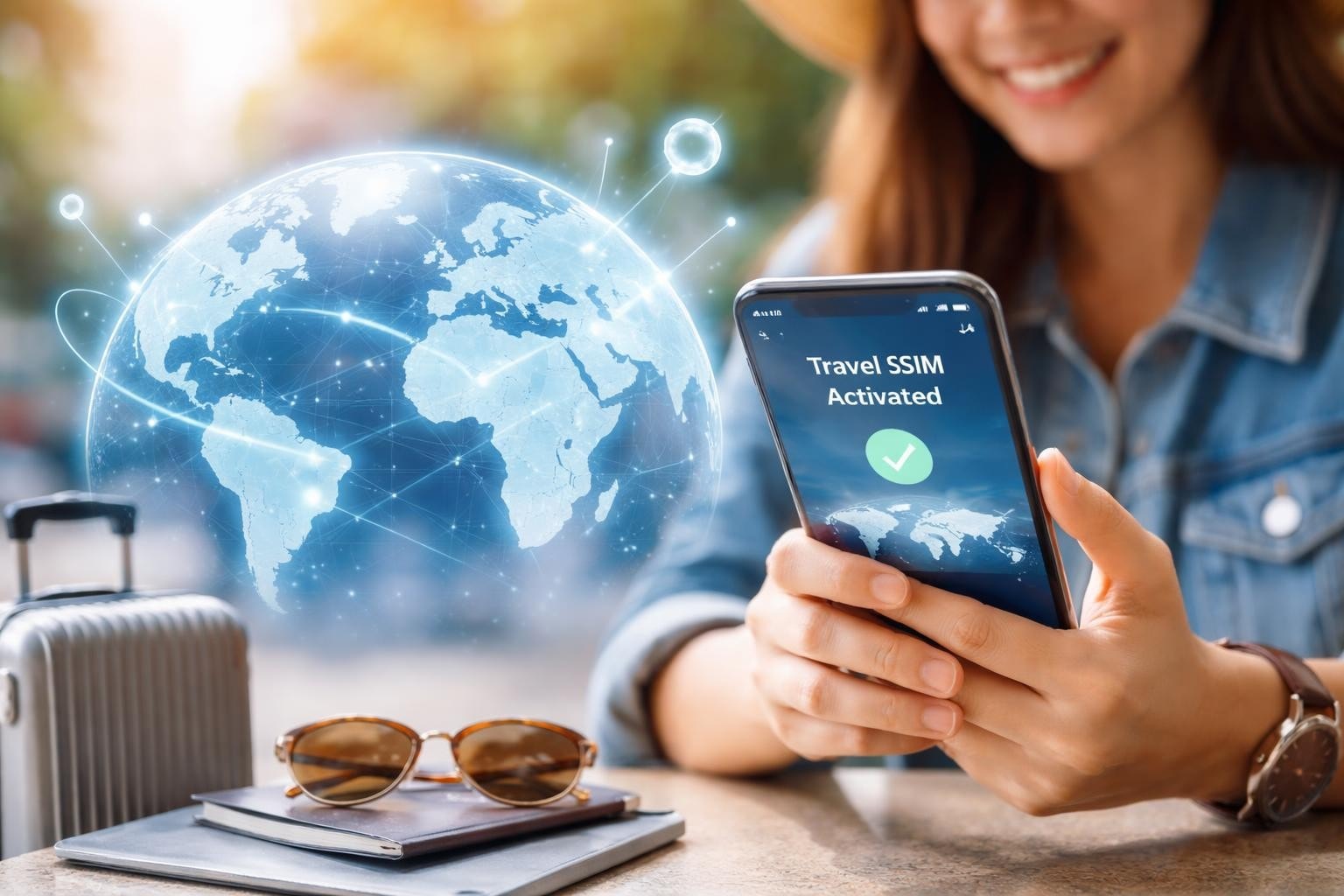
Travelling abroad in 2026 shouldn't mean sacrificing connectivity or paying extortionate roaming charges. The digital transformation of mobile technology has ushered in an era where staying connected across borders is simpler, more affordable, and entirely paperless. Whether you're a digital nomad working from Bali, a business traveller hopping between conference cities, or a family exploring Mediterranean coastlines, the way we access mobile data whilst travelling has fundamentally changed. Traditional SIM cards with their fiddly installations and restrictive contracts are rapidly becoming relics of a bygone era.
Understanding Travel eSIM Technology
What exactly is a travel eSIM? At its core, an embedded SIM (eSIM) is a digital SIM card built directly into your smartphone, tablet, or smartwatch. Unlike physical SIM cards that require manual insertion and removal, a travel esim allows you to download carrier profiles digitally and switch between them with just a few taps.
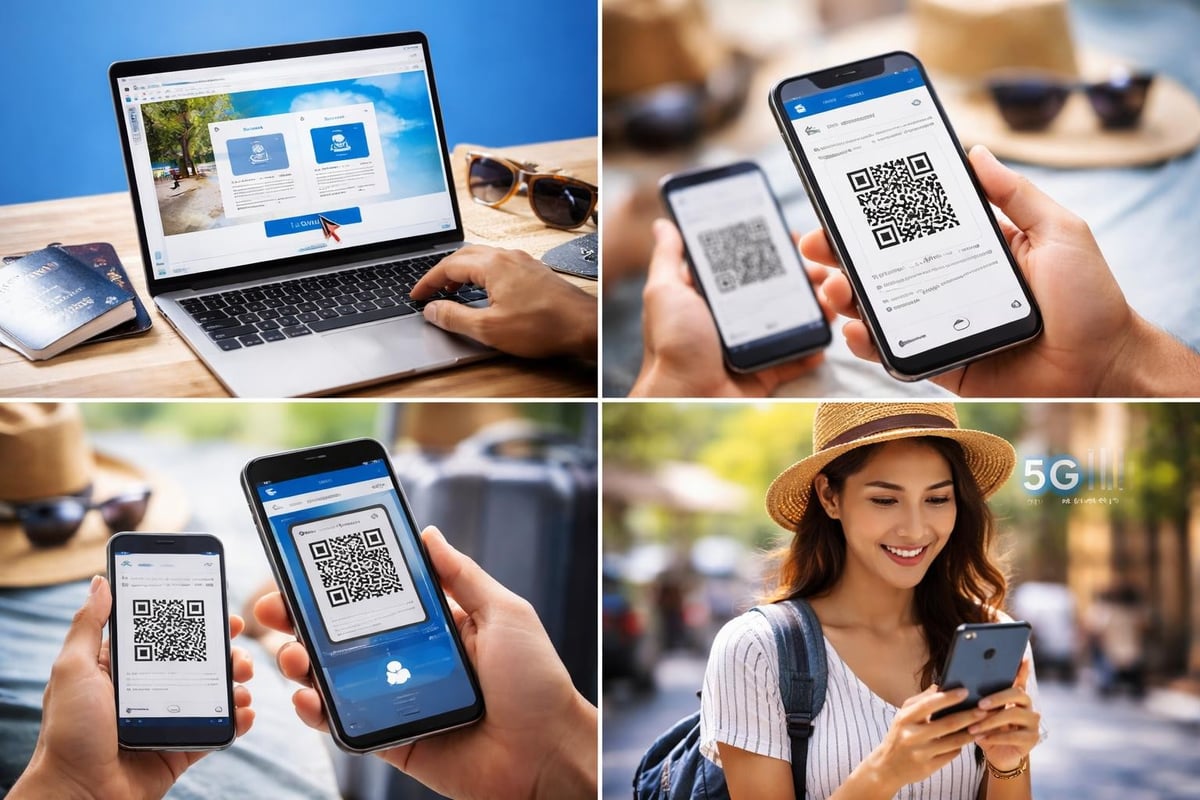
The technology works through standardised provisioning systems that telecommunications providers use to authenticate your device on their networks. When you purchase an eSIM plan, you receive a QR code or activation code. Your device scans this code, downloads the carrier profile, and within minutes you're connected to local networks in your destination country.
The Technical Advantages
Modern smartphones from manufacturers like Apple, Samsung, and Google have embraced eSIM technology wholeheartedly. Here's what makes it revolutionary:
- Dual SIM functionality without requiring two physical slots
- Remote provisioning that eliminates the need for physical distribution
- Instant activation that takes seconds rather than requiring shop visits
- Multiple profile storage allowing you to keep several eSIMs ready
- Enhanced security through encrypted digital profiles
This shift represents more than just convenience. According to industry research on eSIM management, the technology enables seamless network switching and improved resource allocation for carriers, ultimately benefiting consumers through better service quality.
Choosing the Right Travel eSIM Provider
Not all travel esim options are created equal. The market has exploded with providers offering varying coverage, pricing structures, and service quality. Understanding what distinguishes premium services from budget options helps you make informed decisions.
Coverage and Network Quality
Global reach matters. The best providers offer connectivity across 200+ countries through partnerships with local telecommunications networks. However, coverage alone doesn't tell the whole story. Network quality varies significantly between providers even in the same location.
When evaluating travel eSIM options, consider these factors:
- Primary network partnerships in your specific destinations
- Data speed capabilities (4G vs 5G availability)
- Network prioritization (some providers receive lower priority during congestion)
- Fallback options when primary networks are unavailable
Pricing Transparency and Value
The pricing landscape for travel eSIMs varies dramatically. Some providers charge premium rates for unlimited data, whilst others offer tiered packages that suit different usage patterns. Before making hasty decisions based solely on price, examine the complete value proposition.
| Feature | Budget Providers | Premium Providers |
|---|---|---|
| Per GB Cost | £2-5 | £4-8 |
| Activation Speed | 10-30 minutes | Instant |
| Customer Support | Email only | 24/7 live chat |
| Coverage Countries | 50-100 | 200+ |
| Data Rollover | Rarely | Often included |
If you're planning extensive travel through Europe, for instance, a comprehensive Europe eSIM plan delivers better value than purchasing individual country packages, offering seamless connectivity as you cross borders from Paris to Prague without interruption.
Setting Up Your Travel eSIM
Installation couldn't be simpler, yet many first-time users feel apprehensive about the process. Let me walk you through exactly what happens from purchase to connectivity.
Pre-Departure Preparation
Before you leave home, verify your device compatibility. Most smartphones released after 2018 support eSIM technology, but checking the compatible devices list prevents last-minute surprises at the airport.
Download your eSIM profile whilst still connected to your home Wi-Fi network. This ensures you have everything configured before boarding your flight. Here's the step-by-step process:
- Purchase your chosen data plan from your provider
- Receive your QR code via email (usually within 60 seconds)
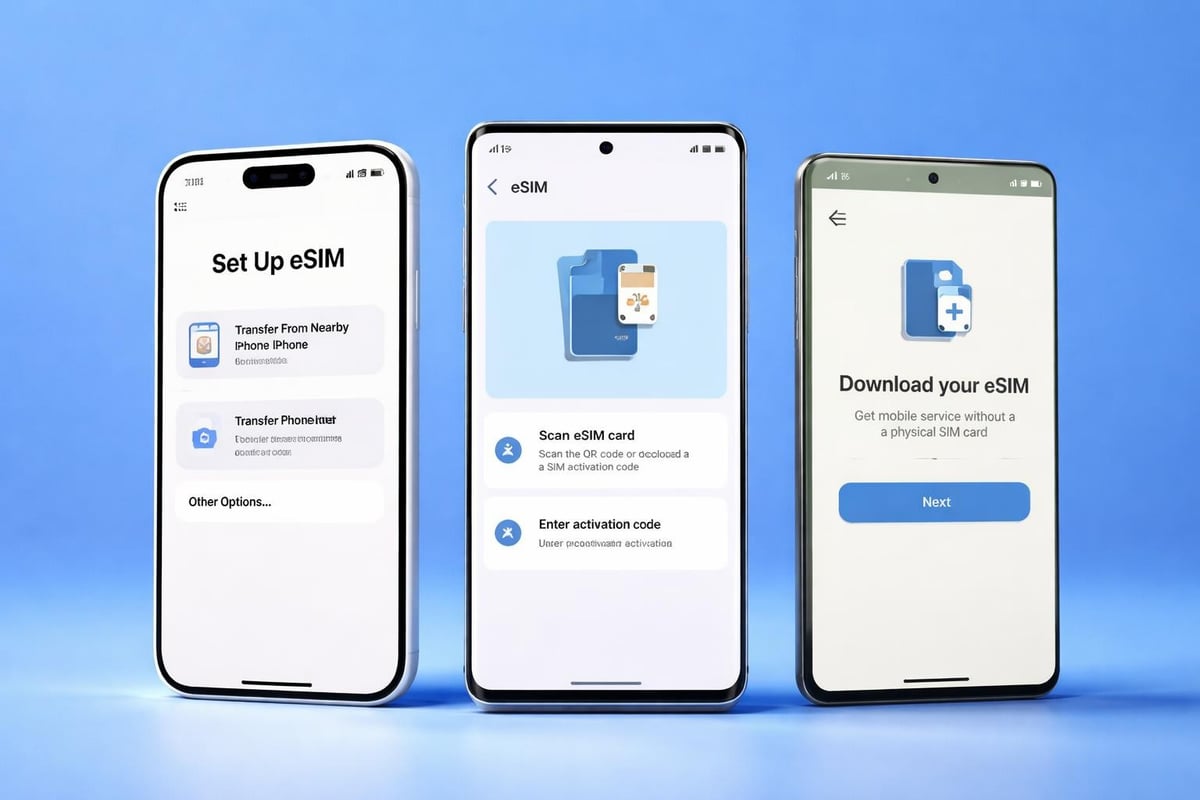
- Navigate to your device's cellular settings
- Select "Add eSIM" or "Add Cellular Plan"
- Scan the QR code with your device camera
- Label your new eSIM (e.g., "Travel Data")
- Configure which SIM handles calls, texts, and data
Activation at Your Destination
Upon landing, your travel esim should connect automatically to local networks. However, manual steps might be required depending on your device and provider.
Toggle airplane mode off immediately after landing. Your device searches for available networks and authenticates using your eSIM profile. This process typically completes within 30-60 seconds. If connection doesn't establish automatically, manually select your carrier from the network list in your settings.
For detailed guidance tailored to specific devices, the comprehensive installation guide covers troubleshooting steps for iOS, Android, and other platforms.
Regional Considerations for Travel eSIM Usage
Different parts of the world present unique challenges and opportunities for travel esim users. Understanding regional nuances helps optimise your connectivity experience.
Asia-Pacific Connectivity
Countries like Japan, Thailand, and Singapore boast exceptional mobile infrastructure. Network speeds regularly exceed what you might experience in Western countries, and coverage extends even to remote areas.
Cultural considerations matter too. In Japan, for instance, certain messaging apps and services work better on local networks. Having a local data connection through your eSIM ensures optimal performance for navigation apps like Google Maps, which are essential in cities where English signage is limited.
European Travel Dynamics
Europe presents a unique case for travel eSIM users. Whilst the EU's "roam like at home" policy eliminated roaming charges between member states, that benefit only applies to EU SIM cards. Travellers from outside Europe still face roaming fees on their home carriers.
This is where travel eSIMs truly shine. A single European data plan covers dozens of countries seamlessly. Whether you're exploring Spain's Costa del Sol, Italy's Amalfi Coast, or Greece's island paradises, your connection remains uninterrupted as you cross borders.
Americas Coverage
North American travel requires careful consideration. The United States and Canada have vast geographical areas with varying network quality. Urban centres offer excellent 5G coverage, but rural areas might only support 3G or have spotty coverage regardless of your provider.
Privacy and Security Concerns
As digital travellers become more aware of data privacy, questions around travel eSIM user privacy have gained prominence. Understanding how your data is handled, stored, and protected by eSIM providers is crucial for making informed choices.
Multi-Device Management Strategies
Modern travellers rarely carry just one device. Your smartphone, tablet, and perhaps a smartwatch all need connectivity. Managing multiple devices with eSIMs requires strategic planning.
Device Prioritization
Determine which device requires constant connectivity versus occasional access. Your smartphone likely needs 24/7 data for navigation, messaging, and emergency communications. Your tablet might only need connectivity during downtime at hotels or cafes.
Consider these allocation strategies:
- Primary device: Full-featured unlimited or high-capacity plan
- Secondary device: Smaller data package for supplementary use
- Wearable devices: Minimal data for notifications and fitness tracking
Hotspot Capabilities
Many travel esim plans allow hotspot functionality, letting you share your connection across multiple devices. A single robust plan on your smartphone can serve your tablet and laptop simultaneously, potentially saving money compared to purchasing separate plans for each device.
However, verify hotspot permissions before relying on this strategy. Some providers restrict or charge extra for tethering capabilities.
Practical Use Cases and Real-World Applications
Understanding theoretical benefits differs from experiencing practical advantages. Let's explore how different traveller types leverage travel eSIM technology.
Digital Nomads and Remote Workers
For professionals working whilst travelling, reliable connectivity isn't optional. Video conferences, file transfers, and cloud access require consistent speeds and minimal interruptions.
Redundancy is essential. Savvy digital nomads maintain multiple eSIM profiles from different providers. If one network experiences issues, they switch to a backup instantly. This approach proved invaluable during my recent work trip to Portugal, where switching between providers helped maintain productivity during network maintenance periods.
Frequent Business Travellers
Business trips often involve tight schedules and high stakes. Missing a client email or being unable to access crucial documents can have significant consequences. Travel eSIMs eliminate the uncertainty of airport SIM card shops and unreliable hotel Wi-Fi.
Expense management becomes simpler too. Purchase travel data plans with corporate cards, receive instant digital receipts, and integrate expenses seamlessly into reporting systems. No more collecting receipts from foreign telecoms shops or explaining unusual charges to accounting departments.
Leisure Travellers and Families
Family holidays generate massive data consumption. Everyone wants to share photos on social media, kids stream entertainment during downtime, and parents need navigation and translation apps.
Budget predictability matters for leisure travellers. Unlike traditional roaming charges that surprise you with eye-watering bills weeks after returning home, travel eSIM plans have fixed costs. You purchase exactly what you need and avoid unpleasant financial surprises.
Emergency Connectivity and Travel Safety
Whilst we hope for smooth travels, emergencies happen. Natural disasters, political unrest, or personal emergencies require immediate communication capabilities. Disaster travel eSIM connectivity can literally be lifesaving.
Redundant Communication Channels
Keeping your home SIM active alongside a travel eSIM provides redundancy. If local networks fail or become overloaded during emergencies, you can attempt connection through your home carrier's roaming agreements.
Quick Network Switching
During crises, certain networks maintain better functionality than others. Having multiple eSIM profiles ready enables instant switching between providers without scrambling to find physical SIM cards or locate open shops.
Cost Comparison and Budget Planning
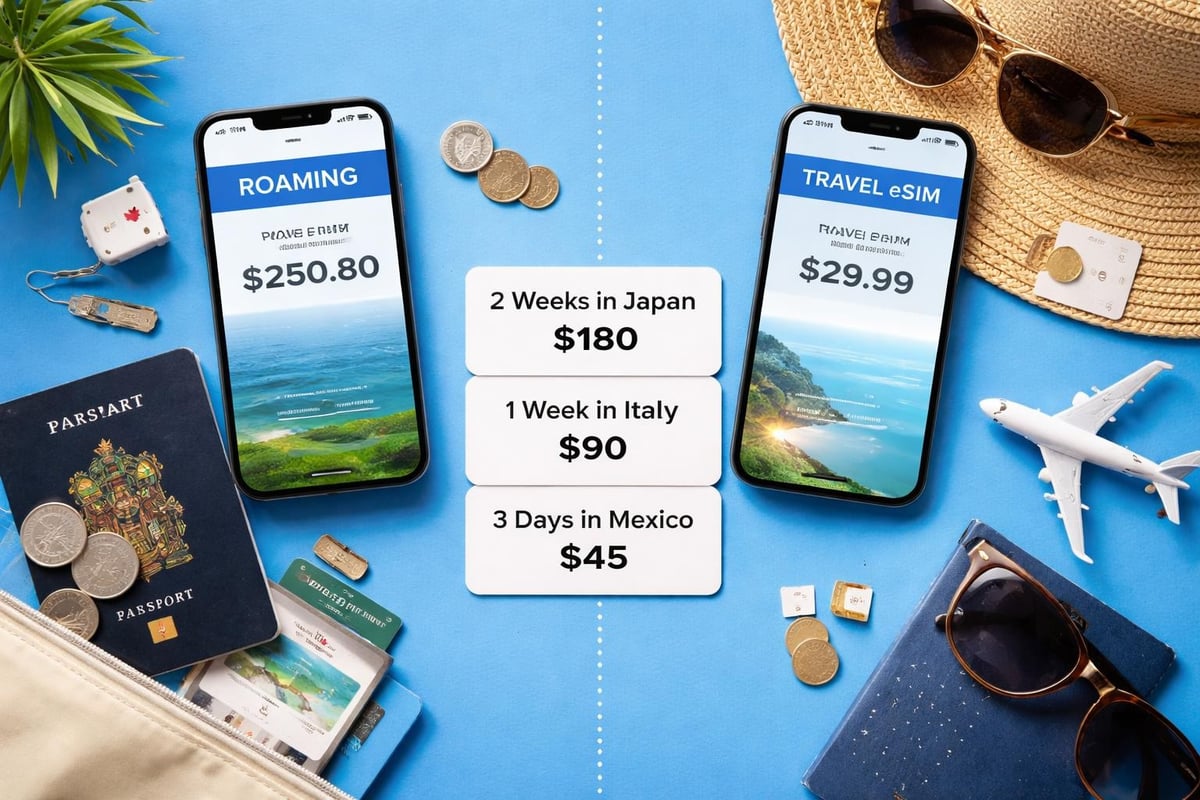
Let's examine actual numbers to understand potential savings. Traditional roaming charges from major UK carriers range from £5-10 per day for limited data. A two-week holiday incurs £70-140 in roaming fees alone.
Traditional Roaming vs Travel eSIM
| Duration | Traditional Roaming | Travel eSIM | Savings |
|---|---|---|---|
| 7 days | £35-70 | £8-20 | £15-62 |
| 14 days | £70-140 | £15-35 | £35-125 |
| 30 days | £150-300 | £25-60 | £90-275 |
These calculations assume moderate data usage (5-10GB monthly). Heavy users see even more dramatic savings with travel eSIM plans offering unlimited data options at fixed prices.
Long-Term Travel Economics
For extended trips spanning multiple months, the economics become even more compelling. Many providers offer regional plans covering entire continents at monthly rates lower than single-week traditional roaming costs.
Common Misconceptions and FAQs
"eSIMs are complicated and technical." This misconception prevents many travellers from embracing the technology. In reality, activating a travel esim is simpler than finding a local telecoms shop, communicating in a foreign language, and physically installing a SIM card.
Device Lock-In Concerns
Some worry that eSIM technology locks them into specific carriers. The opposite is true. Digital profiles are easily deleted and replaced, offering more flexibility than physical SIMs that require careful storage and potential loss during travel.
Data Quality Assumptions
"Budget travel eSIMs provide slower data speeds" represents another common myth. Network speeds depend on the underlying carrier partnerships, not whether you're using a physical SIM or eSIM. Reputable providers like those reviewed by CNN's travel technology experts partner with premium tier-one carriers globally.
Advanced Tips for Power Users
Once you've mastered basic travel esim usage, these advanced strategies maximize value and functionality.
Strategic Profile Management
Rather than purchasing new eSIMs for each trip, maintain a library of regional profiles. Many plans remain valid for 12-24 months from purchase date, activating only when you first connect. Purchase during sales or promotions, then store profiles for future trips.
Bandwidth Optimization
Configure your devices to minimize unnecessary data consumption. Disable automatic app updates, limit background refresh for non-essential apps, and download maps, entertainment, and work files whilst connected to Wi-Fi.
Multi-Country Itineraries
For complex itineraries spanning multiple regions, calculate whether individual country plans or broader regional coverage offers better value. A trip covering Turkey, Dubai, and Sri Lanka might be cheaper with three separate plans than a global package, depending on your data needs in each location.
Security Best Practices
Protecting your digital identity whilst using travel eSIMs requires attention to security fundamentals that many travellers overlook in the excitement of planning trips.
VPN Usage Considerations
Always use reputable VPN services when connecting through travel eSIM networks, particularly in countries with internet restrictions or surveillance. Kaspersky's security guidance emphasises that whilst eSIM connections are encrypted, additional VPN layers protect against local network monitoring.
Authentication Security
Enable two-factor authentication on your eSIM provider account and avoid storing payment information unless using services with robust security certifications. Purchase plans through secure payment gateways and monitor transaction confirmations carefully.
Future Developments in Travel eSIM Technology
The travel esim market continues evolving rapidly. Looking ahead to developments expected through 2026 and beyond reveals exciting possibilities.
5G Expansion
Fifth-generation network coverage expands globally each month. Travel eSIM providers increasingly offer 5G-capable plans in major cities worldwide. This translates to dramatically faster speeds for video streaming, large file transfers, and cloud-based work applications.
AI-Powered Plan Optimization
Emerging services use artificial intelligence to analyse your typical usage patterns and automatically recommend optimal plans for your specific destinations and travel duration. Some providers experiment with dynamic pricing that adjusts based on demand, time of purchase, and user loyalty.
Integrated Travel Platforms
eSIM activation is increasingly integrated into broader travel booking platforms. Purchase flights, accommodation, and connectivity together, with automatic eSIM delivery timed to your departure dates. This consolidation simplifies travel planning significantly.
Comparing Popular Providers
Understanding the competitive landscape helps identify which providers align with your specific travel patterns and priorities. For detailed comparisons, resources like the gosimless vs alternatives section offer side-by-side evaluations.
Key Differentiators
Beyond basic connectivity, providers distinguish themselves through customer service quality, refund policies, data rollover options, and value-added features like free messaging apps or included VPN services.
Travel eSIM technology represents the most significant advancement in international connectivity since smartphones themselves, eliminating roaming anxiety and delivering predictable costs wherever your adventures lead. Whether you're planning a quick business trip or an extended global journey, the flexibility and affordability of digital SIM solutions transform how we stay connected across borders. Ready to experience seamless global connectivity? gosimless.app offers instant activation across 200+ countries with transparent pricing, secure setup, and the freedom to explore without connectivity concerns.
gosimless Team
The gosimless editorial desk — testing eSIMs, carriers and travel connectivity so you don't have to. Updated continuously from the road.