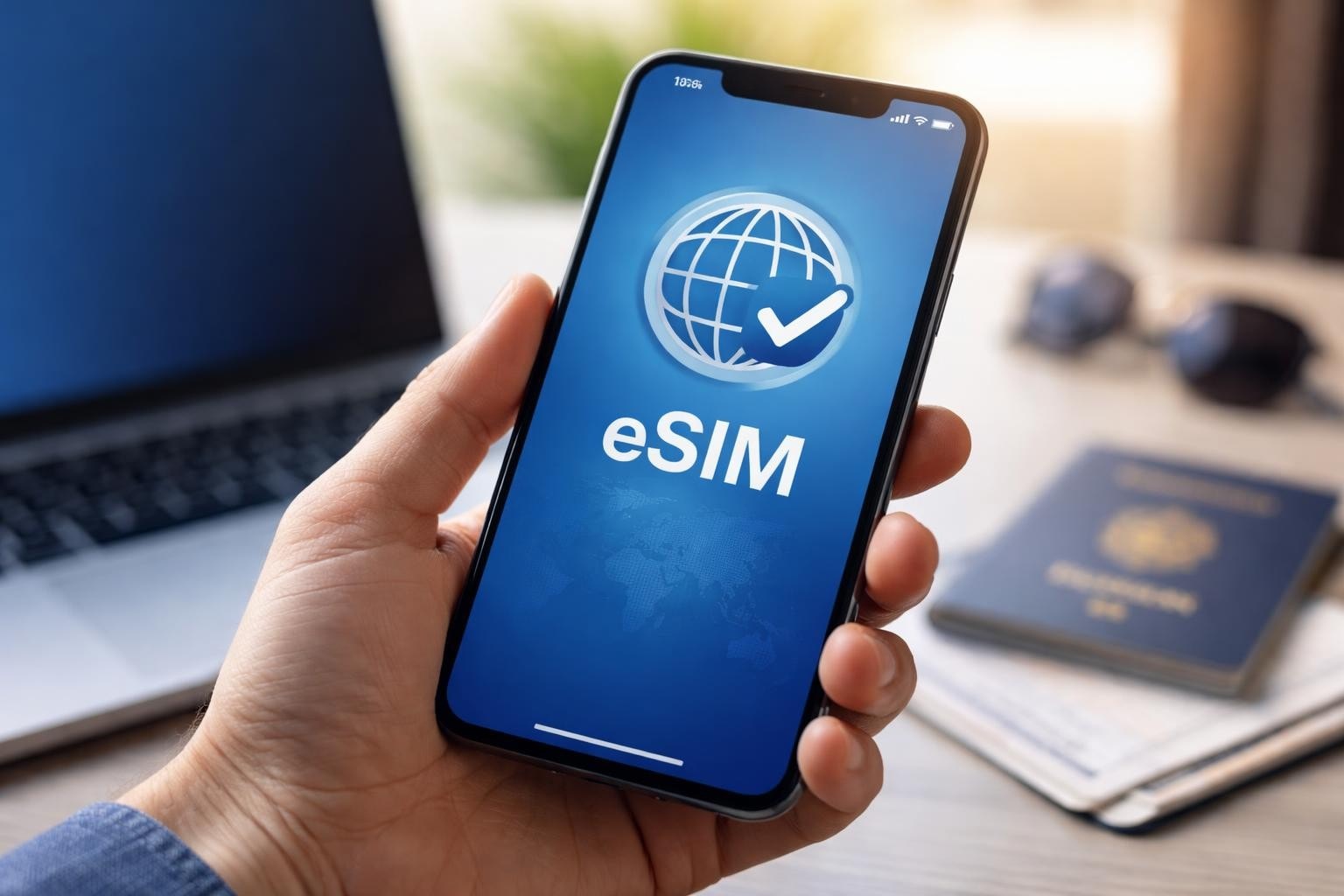
Travelling abroad used to mean hunting for local SIM cards at airports, dealing with language barriers at mobile shops, or facing eye-watering roaming charges from your home carrier. The prepaid esim has transformed this experience entirely, offering instant connectivity that you can purchase, activate, and manage from your smartphone before you even board your flight. This digital revolution in mobile connectivity combines the flexibility of traditional prepaid plans with the convenience of embedded technology, creating a solution that's perfectly suited for our increasingly mobile world in 2026.
What Makes Prepaid eSIM Different
The prepaid esim represents a fundamental shift in how we think about mobile connectivity. Unlike traditional SIM cards that require physical insertion into your device, an eSIM exists as a programmable chip already built into your phone, tablet, or smartwatch. The prepaid aspect means you pay upfront for a specific amount of data, valid for a set period, with no ongoing contracts or surprise bills.
This combination delivers unprecedented freedom. You're not tied to a single carrier, you don't need to visit a shop, and you can switch between providers or plans within minutes. The technology works through a QR code or activation code that downloads your network profile directly to your device.
How Activation Actually Works
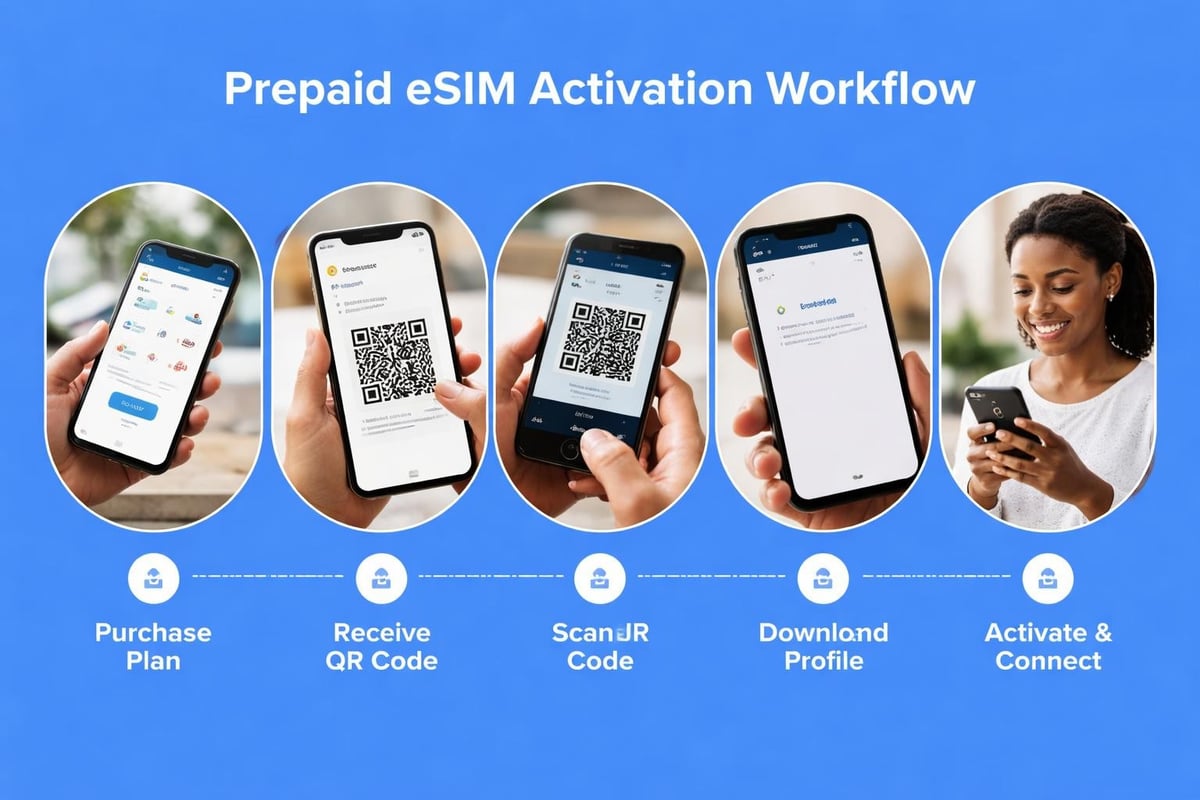
When you purchase a prepaid esim plan, you receive a unique activation code or QR code via email. Here's what happens next:
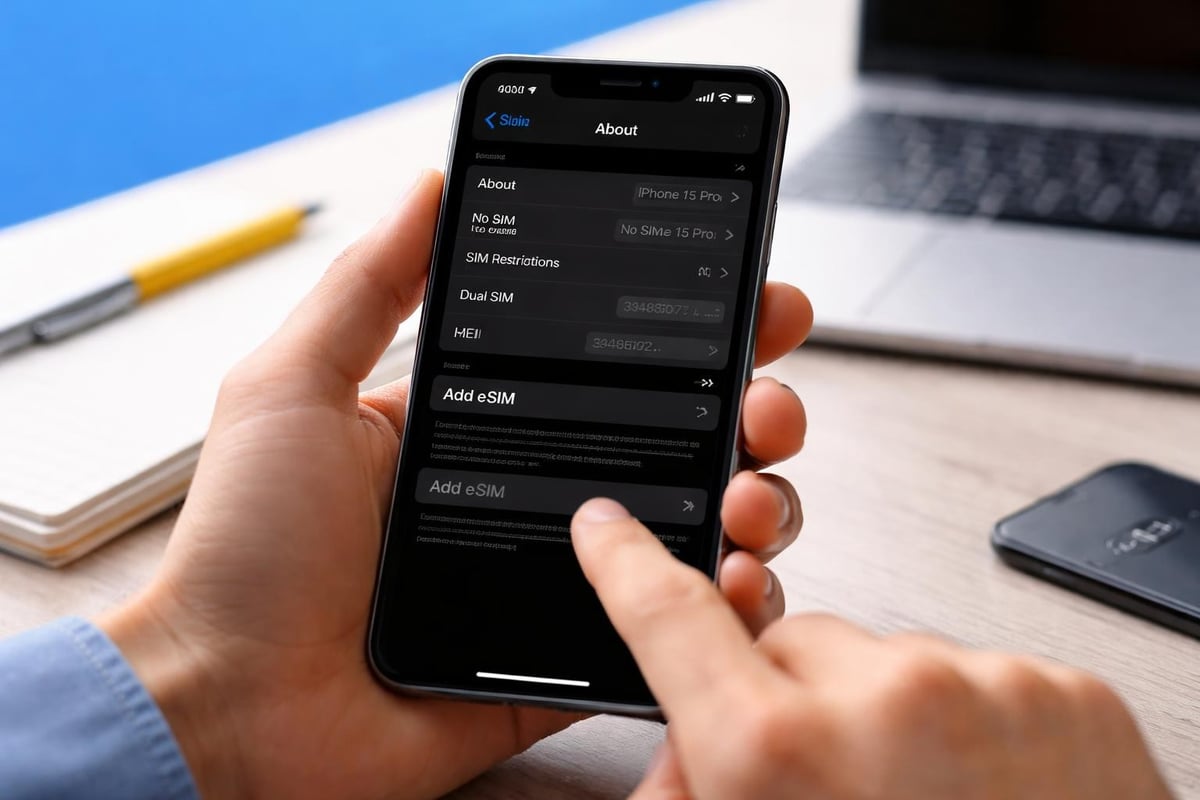
- Open your device's eSIM settings (usually under Mobile Data or Cellular)
- Select "Add eSIM" or "Add Mobile Plan"
- Scan the QR code or enter the activation code manually
- Wait 30-90 seconds whilst your device downloads the network profile
- Activate your new data plan and start using it immediately
The entire process typically takes under five minutes, and you can complete it from anywhere with an internet connection. Many travellers now activate their prepaid esim whilst still connected to their home Wi-Fi, ensuring they have connectivity the moment they land.
Coverage and Global Availability
One of the most compelling advantages of prepaid esim technology is its geographical flexibility. In 2026, these digital plans cover virtually every major destination worldwide, with some providers offering connectivity across 200+ countries through partnerships with multiple local networks.
Regional Coverage Options:
- Europe: Multi-country plans covering 30+ European nations
- Asia-Pacific: Comprehensive coverage from Japan to Australia
- Americas: Plans spanning North, Central, and South America
- Middle East & Africa: Growing availability in emerging markets
- Global: Worldwide plans that work almost everywhere
The quality of coverage depends on which local networks your prepaid esim provider partners with. Leading services negotiate with premium carriers in each country, ensuring you get the same network quality that locals enjoy rather than being relegated to slower, cheaper alternatives.
Network Priority and Speed
| Plan Type | Network Priority | Typical Speeds | Best For |
|---|---|---|---|
| Premium Prepaid | 4G/5G priority | 20-100+ Mbps | Business travel, streaming |
| Standard Prepaid | 4G standard | 5-20 Mbps | General browsing, maps |
| Budget Prepaid | 3G/4G throttled | 1-5 Mbps | Basic connectivity, messaging |
Understanding these tiers helps you choose a prepaid esim that matches your actual needs without overpaying for capacity you won't use.
Cost Comparison and Value Proposition
How does a prepaid esim stack up financially against traditional options? The savings can be remarkable, particularly for frequent travellers or those visiting multiple countries.
Consider a typical two-week European holiday. Your home carrier might charge £10-15 per day for roaming, totalling £140-210. A traditional local SIM might cost £20-30 plus the hassle of purchasing it. A prepaid esim for Europe typically costs £15-40 for the entire fortnight, with no activation fees or hidden charges.
Cost Breakdown by Travel Pattern:
- Short trips (3-7 days): Prepaid eSIM saves 60-70% versus roaming
- Extended stays (2-4 weeks): Savings of 75-85% are common
- Multi-country journeys: Savings exceed 80% compared to roaming in each nation
- Frequent travellers: Annual savings often reach £500-1000
The best prepaid eSIM plans offer various data packages, from light users needing just 1-3GB to digital nomads requiring 20GB or more. This flexibility means you only pay for what you'll actually use.
Device Compatibility Matters
Not every phone or tablet supports eSIM technology, though the list of compatible devices grows each year. As of 2026, most flagship smartphones released after 2018 include eSIM capability, but checking compatibility before purchasing a prepaid esim plan is essential.
eSIM-Compatible Device Categories:
- iPhone XS, XR, and all newer models (except iPhone SE 2nd gen in mainland China, Hong Kong, and Macao)
- Google Pixel 3 and later
- Samsung Galaxy S20 and newer flagship models
- Recent iPad Pro, iPad Air, and iPad models
- Select smartwatches including Apple Watch Series 3+
- Microsoft Surface Pro models with LTE
Apple's comprehensive list of carriers offering eSIM on iPhone provides detailed compatibility information, whilst iPad eSIM support covers tablet compatibility. Always verify your specific device model, as some regional variants lack eSIM functionality even if the general model supports it.
Plan Types and Data Packages
The prepaid esim market offers remarkable variety in 2026, catering to different usage patterns and budgets. Understanding the main plan categories helps you select the optimal option for your circumstances.
Duration-Based Options
Daily plans work well for short business trips where you need guaranteed connectivity for just a few days. You'll pay £2-5 per day depending on the destination and data allowance.
Weekly plans suit typical holidays, offering 3-10GB of data across 7-14 days. These represent the sweet spot for most travellers, balancing cost and convenience.
Monthly plans appeal to digital nomads, extended travellers, or those working abroad temporarily. With 10-50GB of data, these plans often provide the best per-gigabyte value.
Coverage-Based Categories
Single-country prepaid esim plans offer the highest data allowances and best local network access. If you're spending your entire trip in one nation, for example exploring Thailand or Japan, these plans deliver maximum value.
Regional plans cover multiple countries within a geographical area. A European prepaid esim might work across 30+ countries, perfect for those touring several nations. Similarly, Asian regional plans cover popular routes through Singapore, Vietnam, and neighbouring countries.
Global plans provide the ultimate flexibility, working across 100-200+ countries worldwide. Whilst typically more expensive per gigabyte, they eliminate the need to purchase separate plans for multi-continent journeys.
Setup and Installation Process
The technical simplicity of prepaid esim activation is one of its greatest strengths, but first-time users often appreciate clear guidance. The installation guide breaks down the process step-by-step, but understanding the key principles helps ensure smooth activation.
Pre-Activation Checklist:
- Confirm your device is carrier-unlocked
- Verify eSIM support in your device specifications
- Ensure you have stable internet (Wi-Fi or mobile data)
- Check that your iOS is updated to the latest version (for Apple devices)
- Delete any existing eSIM profiles you no longer need
Most activation issues stem from carrier locks or outdated software rather than problems with the prepaid esim itself. Taking five minutes to verify these basics prevents frustration later.
Troubleshooting Common Issues
| Issue | Likely Cause | Solution |
|---|---|---|
| QR code won't scan | Poor lighting, damaged code | Enter activation code manually |
| "Cannot Add eSIM" error | Device locked to carrier | Contact your carrier to unlock |
| Profile won't download | Unstable connection | Switch to stable Wi-Fi |
| No network after activation | Wrong APN settings | Check provider's APN configuration |
| Profile disappears | Accidental deletion | Re-download using original QR code |
Remember that you can typically re-download your prepaid esim profile multiple times using the same activation code, so accidentally deleting it doesn't mean losing your plan.
Managing Multiple eSIM Profiles
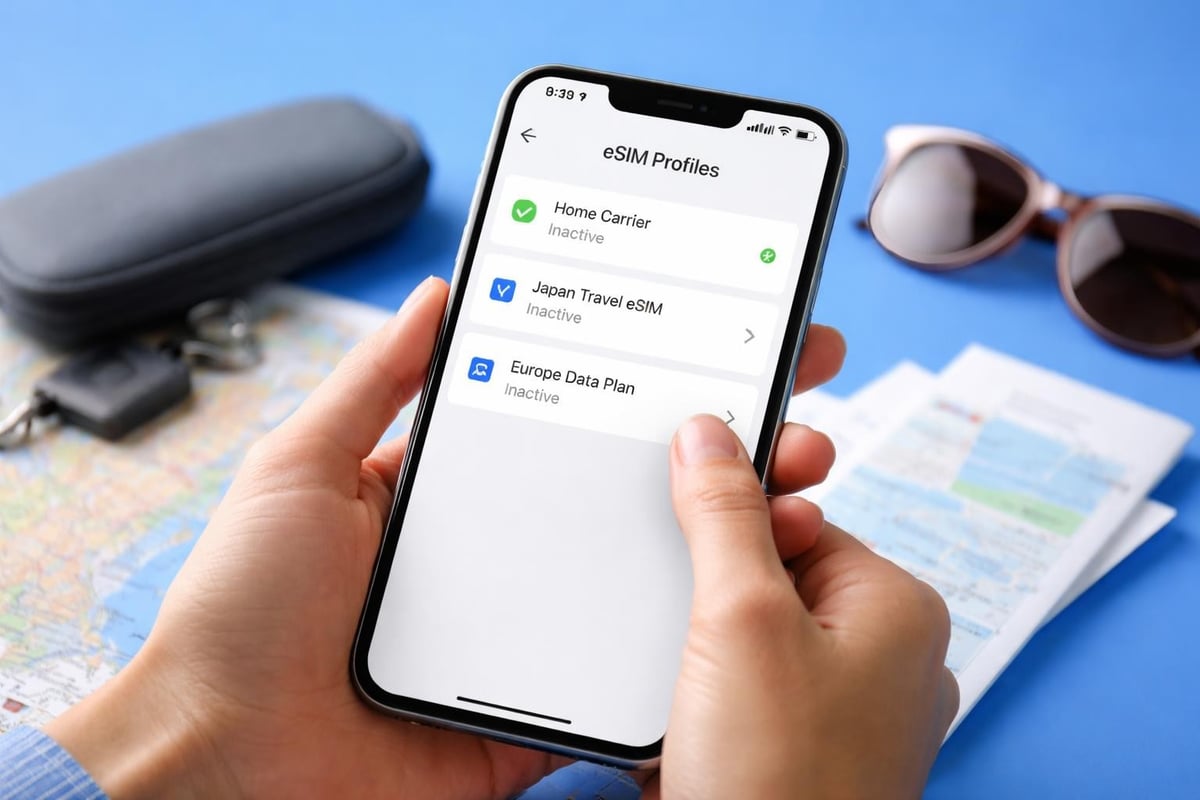
Modern smartphones can store multiple eSIM profiles simultaneously, though most can only have two active at once (one physical SIM plus one eSIM, or two eSIMs on newer models). This capability transforms how we manage connectivity across different contexts.
You might maintain a prepaid esim for your home country, another for frequent business destinations, and activate temporary travel plans as needed. Switching between profiles takes seconds through your device settings, giving you instant access to local rates wherever you are.
Strategic Profile Management:
- Keep your home carrier as a secondary line for calls and texts
- Activate your prepaid esim as the primary data line whilst travelling
- Store multiple country profiles if you travel regularly to the same destinations
- Delete expired profiles to keep your settings uncluttered
- Label each profile clearly (e.g., "France Travel April 2026")
This multi-profile approach works brilliantly for business travellers who need to maintain their home number whilst benefiting from local data rates abroad. You receive calls and messages on your home number whilst using affordable local data through your prepaid esim.
Security and Privacy Considerations
Digital connectivity raises legitimate questions about security, and prepaid esim technology addresses these concerns in several important ways. The eSIM itself is more secure than traditional SIM cards because it cannot be physically removed and used in another device without proper authentication.
When you purchase from reputable providers, your payment information is processed through secure, encrypted channels. The prepaid nature means you're not providing extensive personal information or committing to long-term contracts, limiting your data exposure.
Security Best Practices:
- Purchase prepaid eSIM plans only from established providers
- Verify that payment pages use HTTPS encryption
- Avoid sharing activation codes publicly or with others
- Enable device-level security (passcode, biometric authentication)
- Delete eSIM profiles after they expire to prevent confusion
The comprehensive FAQ addresses many security questions that first-time users commonly have about prepaid esim technology and data protection.
When Prepaid eSIM Makes Most Sense
Whilst prepaid esim technology offers advantages for most travellers, certain situations particularly benefit from this connectivity approach. Understanding these scenarios helps you decide when to make the switch.
Ideal Use Cases:
- International business travel: Stay connected during short trips without expensive roaming charges
- Multi-country holidays: One plan covering your entire European or Asian tour
- Digital nomad lifestyle: Flexible data access as you move between countries
- Emergency backup: Secondary connectivity option if your primary SIM fails
- Testing new markets: Try local connectivity before committing to long-term plans
Conversely, if you're visiting a single country for several months and need voice minutes plus data, a traditional local SIM might occasionally offer better value. However, the convenience gap has narrowed significantly, and for most scenarios in 2026, the prepaid esim represents the superior choice.
Provider Selection Criteria
Not all prepaid esim providers offer equivalent service, and choosing wisely makes the difference between seamless connectivity and frustrating technical issues. Comparing prepaid eSIM providers reveals significant variation in network quality, coverage, and customer support.
Key Evaluation Factors
Network partnerships determine your actual connectivity experience. Premium providers partner with top-tier local carriers in each country, ensuring you get genuine 4G/5G speeds rather than throttled budget network access.
Activation speed varies from instant to several hours. Leading services provision your prepaid esim within 30-60 seconds, whilst others might take hours or require manual approval.
Customer support becomes crucial when issues arise. Look for providers offering 24/7 support through multiple channels (email, chat, phone) rather than those with limited business-hours assistance.
Transparent pricing should include all costs upfront. Beware providers advertising low base prices but adding activation fees, service charges, or other hidden costs.
For travellers heading to popular destinations like Australia, selecting a provider with proven coverage in that specific region ensures reliable connectivity throughout your journey.
Top-Up and Extension Options
What happens when your prepaid esim data runs low before your trip ends? Modern providers offer flexible top-up options that let you add data without purchasing an entirely new plan or going through reactivation.
Top-Up Methods:
- Instant data add-ons through the provider's app
- Additional data packages via web portal
- Automatic renewal for same-duration extensions
- Flexible extensions (add 3 days, 7 days, or more)
Some providers allow you to top up using the same eSIM profile, whilst others require installing a new profile for each purchase. The single-profile approach offers better convenience, keeping all your data under one manageable connection.
Monitoring your data usage becomes important with prepaid plans. Most smartphones provide built-in data tracking, or you can use your provider's app to check remaining allowances and validity periods.
Real-World Performance Expectations
Understanding realistic performance expectations prevents disappointment and helps you choose appropriate data packages. Your prepaid esim will typically deliver speeds comparable to what local users experience on the same network.
In major cities across Europe, North America, and developed Asian markets, expect 4G speeds of 20-50 Mbps for browsing and streaming. 5G coverage expands daily in 2026, offering 100+ Mbps in supported areas. Rural regions and developing markets might see slower 3G/4G speeds of 5-15 Mbps.
Data Consumption Guidelines:
- Web browsing and email: 50-100 MB per hour
- Social media scrolling: 100-200 MB per hour
- Google Maps navigation: 5-10 MB per hour
- Music streaming: 50-100 MB per hour
- Video streaming (HD): 1-3 GB per hour
- Video calls: 300-500 MB per hour
These estimates help you select an appropriately sized prepaid esim package. A typical week-long holiday involving maps, social media, and moderate browsing typically consumes 3-7 GB of data.
Future of Prepaid eSIM Technology
The prepaid esim market continues evolving rapidly, with several emerging trends shaping the landscape in 2026 and beyond. Integration with smartwatches, fitness trackers, and even vehicles expands the technology's reach beyond smartphones and tablets.
Emerging Developments:
- 5G expansion: More prepaid plans offering 5G access in major cities
- Unlimited data options: Truly unlimited prepaid eSIM plans at competitive prices
- Voice integration: VoIP and traditional calling bundled with data plans
- Blockchain authentication: Enhanced security through distributed verification
- IoT applications: Prepaid connectivity for smart devices and sensors
The technology's convenience and cost-effectiveness suggest continued growth, with traditional physical SIM cards likely becoming minority options within the next few years. Major carriers increasingly promote eSIM as their preferred activation method, accelerating consumer adoption.
Regulatory developments also favour prepaid esim expansion. The European Union, United States, and other markets encourage competition and consumer choice, creating favourable conditions for innovative connectivity solutions.
Prepaid eSIM technology has fundamentally transformed international connectivity, offering travellers unprecedented flexibility, instant activation, and significant cost savings compared to traditional roaming or physical SIM cards. Whether you're planning a weekend city break or an extended multi-country adventure, prepaid data plans deliver reliable connectivity without the constraints of physical cards or long-term contracts. Ready to experience hassle-free global connectivity? gosimless.app provides instant eSIM activation with affordable, flexible coverage across 200+ countries, complete with secure payments and multi-device support-all without roaming fees.
gosimless Team
The gosimless editorial desk — testing eSIMs, carriers and travel connectivity so you don't have to. Updated continuously from the road.