
Ever found yourself juggling two phones because you need separate lines for work and personal life? Or perhaps you've travelled abroad and wished you could keep your home number active whilst using a local SIM for data? You're not alone. The multi sim phone has become an essential tool for millions of people worldwide, offering the flexibility to manage multiple phone numbers and network connections from a single device. Whether you're a frequent traveller, a business owner, or simply someone who wants to separate different aspects of their life, understanding how multi-SIM technology works can transform the way you stay connected.
What Exactly Is a Multi Sim Phone?
A multi sim phone is simply a mobile device designed to accommodate more than one SIM card simultaneously. Rather than carrying multiple phones or constantly swapping SIM cards, you can have two or more phone lines active on the same handset.
The most common configuration is the dual-SIM phone, which supports two SIM cards at once. These devices come in various formats. Some have dedicated slots for two physical SIM cards, whilst others combine one physical SIM slot with an eSIM (embedded SIM). A few premium models even support multiple eSIM profiles alongside a physical SIM.
Physical SIM vs eSIM: What's the Difference?
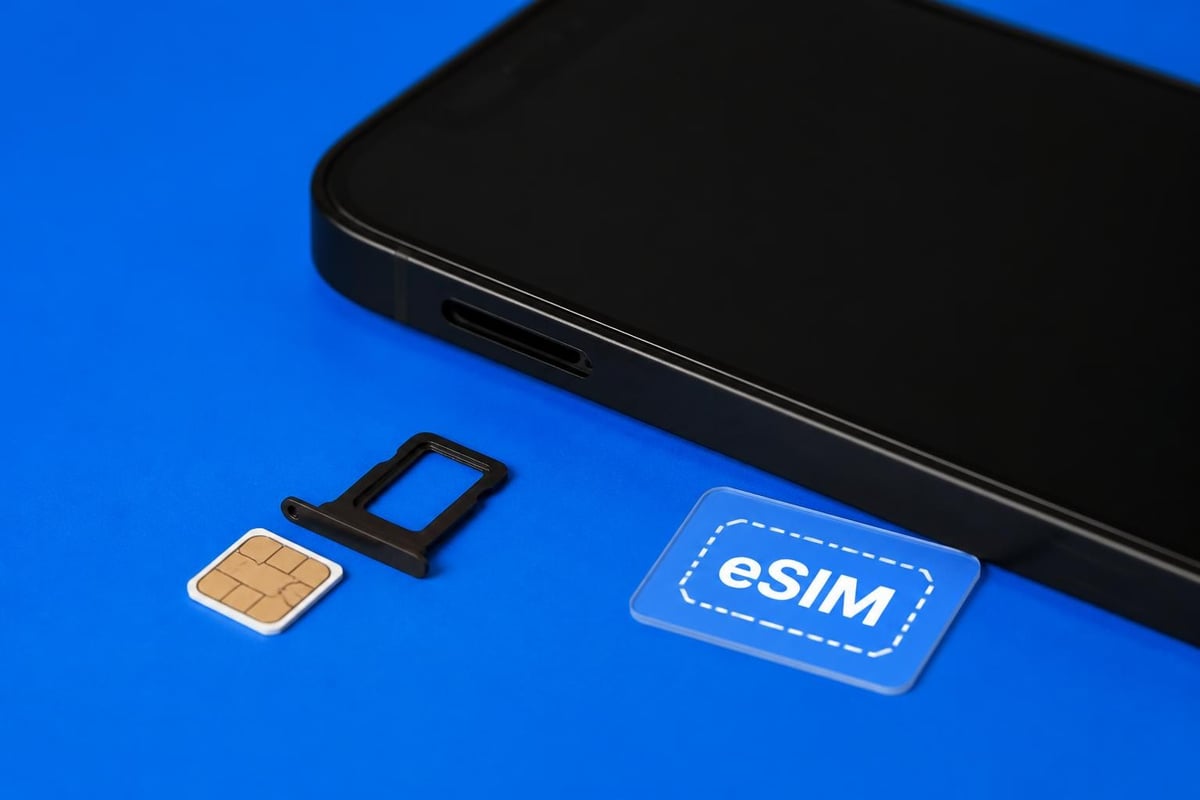
Traditional physical SIMs are those little plastic cards you insert into your phone. They're tangible, removable, and something most of us have used for years. An eSIM, on the other hand, is built directly into your phone's hardware. You activate it digitally without needing any physical card.
This distinction matters because it affects how you use your multi sim phone. With two physical SIM slots, you need to physically insert both cards. With eSIM capability, you can download and activate new profiles instantly, which is particularly useful when you're travelling.
Why Would You Want a Multi Sim Phone?
The reasons people choose multi-SIM devices vary widely, but several use cases stand out as particularly compelling in 2026.
Separating Work and Personal Life
Many professionals prefer keeping their work and personal communications separate. A multi sim phone lets you maintain two distinct phone numbers without carrying two devices. You can easily identify incoming calls by line, set different ringtones, and even turn off your work number outside office hours whilst keeping your personal line active.
Travel Without the Hassle
Travelling internationally? This is where multi-SIM technology truly shines. You can keep your home SIM active for important calls whilst adding a local SIM or eSIM for affordable data. Modern eSIM activation services make this incredibly simple, allowing you to purchase and activate data plans for over 200 countries instantly, with no roaming fees or physical cards required.
Cost Optimisation
Different mobile operators excel at different things. One might offer excellent call rates, whilst another provides better data packages. With a multi sim phone, you can use the best tariff for each purpose, potentially saving considerable money each month.
Network Redundancy
If you live or work in an area with patchy coverage, having access to two different networks simultaneously provides valuable backup. When one network struggles, you've got another ready to go.
How Multi Sim Phones Actually Work
Understanding the technical side helps you make better decisions about which device to choose and how to use it effectively.
| Feature | Dual SIM Dual Standby (DSDS) | Dual SIM Dual Active (DSDA) |
|---|---|---|
| Both SIMs active? | Yes, when idle | Yes, always |
| Simultaneous calls? | No | Yes |
| Data connection | One at a time | Can switch or use both |
| Battery consumption | Lower | Higher |
| Price point | More affordable | Premium devices |
Dual SIM Dual Standby (DSDS)
Most multi sim phones use DSDS technology. Both SIM cards remain active and can receive calls, but only one can actively connect to a network at a time. If you're on a call using SIM 1, incoming calls to SIM 2 will go to voicemail or show as busy.
This works perfectly fine for most users. The switching happens automatically and quickly enough that you barely notice it in everyday use.
Dual SIM Dual Active (DSDA)
Premium devices sometimes feature DSDA technology, which maintains active connections to both networks simultaneously. You can literally take a call on one SIM whilst browsing the internet using the other. Qualcomm's second-generation DSDA technology has even enabled simultaneous 5G connections, perfect for demanding use cases like gaming or streaming.
The trade-off? These devices consume more battery power and typically cost more.
Setting Up Your Multi Sim Phone
Getting started with dual-SIM functionality isn't complicated, but there are a few steps worth understanding.
- Insert your physical SIM cards into the designated slots (if using physical SIMs)
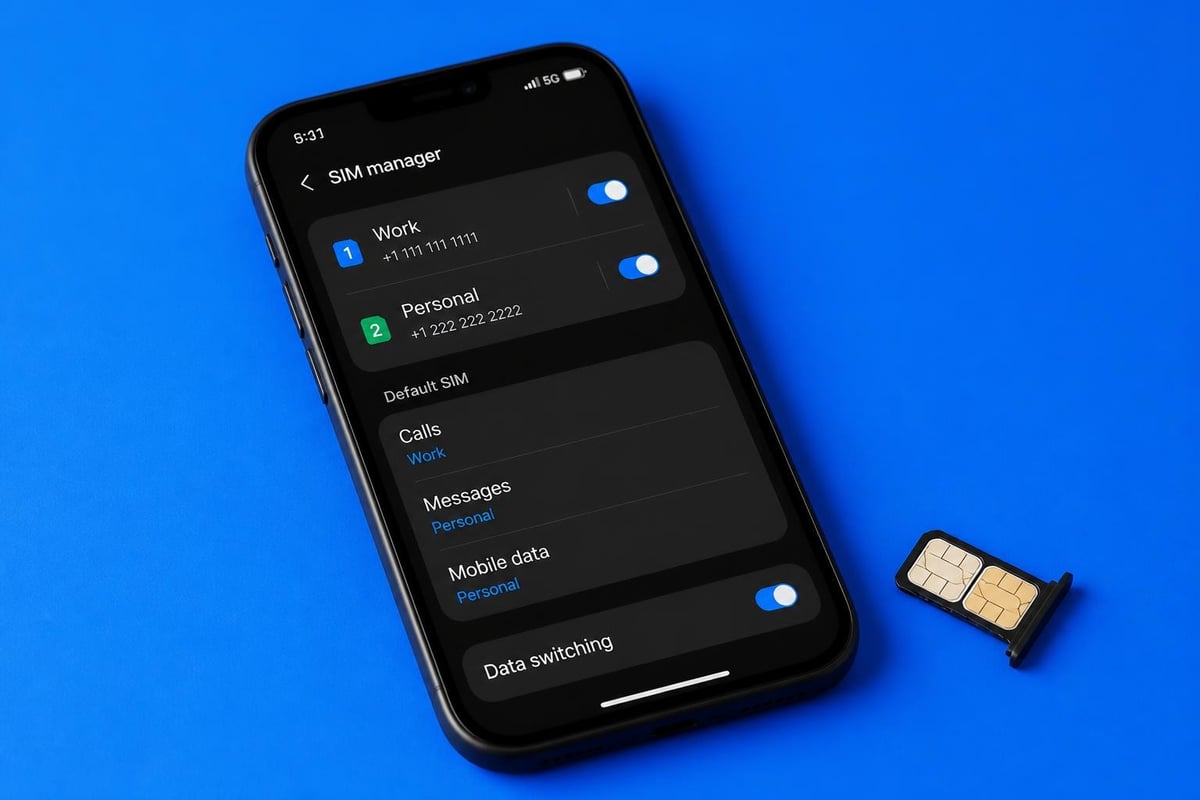
- Label your SIMs with recognisable names like "Work" or "Personal" in your settings
- Set your preferences for calls, messages, and data
- Configure your default lines for different types of communication
Choosing Which SIM Does What
Your phone will ask you to designate which SIM handles various tasks. You might set your personal SIM as the default for calls to contacts, whilst using your work SIM for mobile data. These settings are flexible and you can change them whenever you like.
For data, you'll typically need to choose one SIM as primary, though you can switch manually when needed. Some advanced devices allow you to set automatic switching based on coverage or data limits.
The eSIM Revolution and Multi-SIM Technology
The integration of eSIM technology has fundamentally changed what's possible with multi sim phones. Rather than being limited by physical SIM slots, you can now store multiple eSIM profiles on compatible devices.
How Many SIMs Can You Really Have?
Modern smartphones can store anywhere from 5 to 20+ eSIM profiles, though only one or two can be active simultaneously alongside your physical SIM. This means you could have profiles set up for your home country, several destinations you visit regularly, and your work line, all ready to activate with a few taps.
Environmental Benefits
It's worth mentioning that eSIM technology offers significant environmental advantages over traditional plastic SIM cards. With billions of SIM cards produced annually, the shift towards digital activation reduces plastic waste considerably.
Choosing the Right Multi Sim Phone for Your Needs
Not all dual-SIM devices are created equal. Here's what to consider when shopping for your next multi sim phone.
Operating System and Ecosystem
Both iOS and Android offer excellent multi-SIM support, but with different approaches. iPhones from the iPhone XS onwards support eSIM alongside a physical SIM. Many Android manufacturers offer devices with two physical SIM slots or various combinations of physical and eSIM support.
5G Compatibility
If you're investing in a new device in 2026, ensuring both SIM slots support 5G is sensible. Some earlier dual-SIM phones only offered 5G on the primary SIM, which could be limiting. Qualcomm's global multi-SIM 5G capabilities have become standard in premium devices, offering seamless switching between networks.
Storage and Performance
Some phones with physical dual-SIM slots use a hybrid tray, where you must choose between a second SIM or a microSD card for expanded storage. If you need both extra storage and dual-SIM functionality, look for devices with dedicated slots for each.
Common Challenges and Solutions
Using a multi sim phone isn't always seamless. Let's address some frequent issues you might encounter.
Battery Drain Concerns
Running two active network connections does consume more battery than a single SIM. You can mitigate this by:
- Disabling the second SIM when you don't need it
- Using Wi-Fi when available
- Adjusting sync settings for each SIM separately
- Choosing DSDS over DSDA if you don't need simultaneous active connections
Network Compatibility Issues
Before purchasing international eSIM plans or physical SIMs, verify that your multi sim phone supports the frequency bands used in your destination countries. Most modern devices support a wide range of bands, but it's worth checking, particularly if you're using an older model or a device designed primarily for a specific region.
Managing Data Usage Across SIMs
Keeping track of which SIM is using data can prevent unexpected charges. Most phones provide detailed breakdowns in settings. Set data warnings or limits for each SIM individually to stay in control of your usage.
Multi-SIM Technology for Business Users
For business owners and professionals, a multi sim phone offers distinct advantages beyond basic convenience.
Enhanced Professionalism
Maintaining separate numbers for business and personal use creates clear boundaries. Clients can reach you on your business line without having access to your personal number, and you can confidently share your business number knowing you can manage when it's active.
Simplified Device Management
IT departments appreciate multi-SIM phones because they reduce the number of devices employees need. One phone can accommodate both a company-managed business line and a personal line, simplifying device policies and reducing costs.
IoT and Connected Devices
Multi-network SIM technology is crucial for IoT applications, ensuring devices maintain reliable connections by switching between networks as needed. This same principle benefits business users who require consistent connectivity across different regions or network conditions.

The Future of Multi-SIM Technology
Looking ahead, multi-SIM capabilities will continue evolving. Several trends are worth watching.
Virtual SIM Technology
Research into virtual SIM (vSIM) technology suggests future devices might completely decouple subscriber identity from hardware, offering even greater flexibility in how we connect to networks. This could enable instant switching between any available network without pre-configured profiles.
Multi-IMSI Solutions
The multi-IMSI SIM market is expanding, particularly in IoT applications. These advanced SIMs can present different identities to different networks, automatically selecting the optimal connection. We'll likely see this technology becoming more accessible for consumer devices.
Network Slicing and Advanced Coordination
As 5G networks mature, supporting multi-SIM functionality brings both challenges and opportunities in terms of device coordination and quality of service. Future networks will better optimise connections across multiple SIM profiles, delivering seamless experiences even when switching between networks.
Practical Tips for Multi Sim Phone Users
Here are some strategies to maximise your multi-SIM setup:
- Review your carrier agreements carefully to understand data sharing, hotspot limitations, and international usage policies for each SIM
- Use contact-specific defaults so important people always reach you on the right number
- Schedule SIM switching if you have predictable patterns (work SIM on weekdays, personal on weekends)
- Keep both SIMs registered in critical services like banking apps to prevent authentication issues
- Verify your device compatibility before purchasing eSIM plans to avoid activation problems
Getting the Most from eSIM When Travelling
When you're heading abroad, eSIM activation offers unmatched convenience. Rather than hunting for SIM cards at the airport or dealing with complicated roaming charges, you can research and purchase plans before departure, then activate them the moment you land.
For instance, if you're travelling across Europe, you might activate a Europe eSIM that covers multiple countries, keeping your home SIM active for important calls whilst using affordable local data rates. The setup takes minutes and works across 200+ countries.
Making the Switch to Multi-SIM
If you're currently using a single-SIM phone and considering making the switch, the transition is straightforward. Check whether your current device already supports eSIM (many phones from the past few years do, even if you haven't activated it). If not, your next phone upgrade presents the perfect opportunity to embrace multi-SIM flexibility.
The learning curve is minimal. Modern operating systems handle most of the complexity automatically, and you'll quickly develop routines that work for your specific needs. Within a week or two, managing multiple lines will feel completely natural.
Start by identifying your primary use case. Are you mainly interested in travel convenience? Separating work and personal? Optimising costs? Your answer will guide which features matter most and help you configure your device effectively.
Remember that you don't need to use both SIMs all the time. Many people keep a second SIM profile ready but only activate it when needed, whether that's for a business trip, a holiday, or during periods when they need extra network coverage.
Managing multiple connections on a single device has never been more accessible or flexible, especially with the combination of physical SIM slots and eSIM technology now available in most modern smartphones. Whether you're looking to separate different aspects of your life, save money on mobile services, or simply ensure you're always connected when travelling, a multi sim phone delivers the versatility you need. Ready to experience seamless global connectivity? GoSimless.app offers instant eSIM activation with affordable data plans across 200+ countries, no roaming fees, and setup that takes just seconds.
gosimless Team
The gosimless editorial desk — testing eSIMs, carriers and travel connectivity so you don't have to. Updated continuously from the road.