The world of mobile connectivity has transformed dramatically over recent years, and maya esim represents one of the most innovative solutions in this evolving landscape. Whether you're a frequent traveller, digital nomad, or simply someone looking for flexible mobile data options, understanding how maya esim works can fundamentally change your approach to staying connected globally. This comprehensive guide explores everything you need to know about this digital connectivity solution, from setup processes to pricing structures and real-world performance.
What Makes Maya eSIM Stand Out
Maya esim operates as a digital SIM card solution that eliminates the need for physical SIM cards entirely. Instead of swapping plastic chips between devices or hunting for local SIM vendors when travelling, you can activate mobile data plans instantly through a digital download.
The technology behind maya esim relies on embedded SIM capabilities built directly into modern smartphones and devices. This means your device already has the hardware necessary to connect to mobile networks worldwide, you simply need the right digital profile to activate it.
Key Features and Capabilities
Maya esim offers several distinctive features that set it apart in the crowded eSIM marketplace:
- Instant activation that typically completes within minutes of purchase
- Multi-device support allowing you to use plans across compatible smartphones and tablets
- Flexible data packages ranging from short-term tourist options to longer-term plans
- Global coverage spanning numerous countries across continents
- No physical shipping required, eliminating delays and logistics issues
What really matters here is convenience. Traditional SIM cards require physical handling, potential compatibility issues, and the constant worry about losing tiny plastic chips. Maya esim removes these friction points entirely.
How Maya eSIM Actually Works
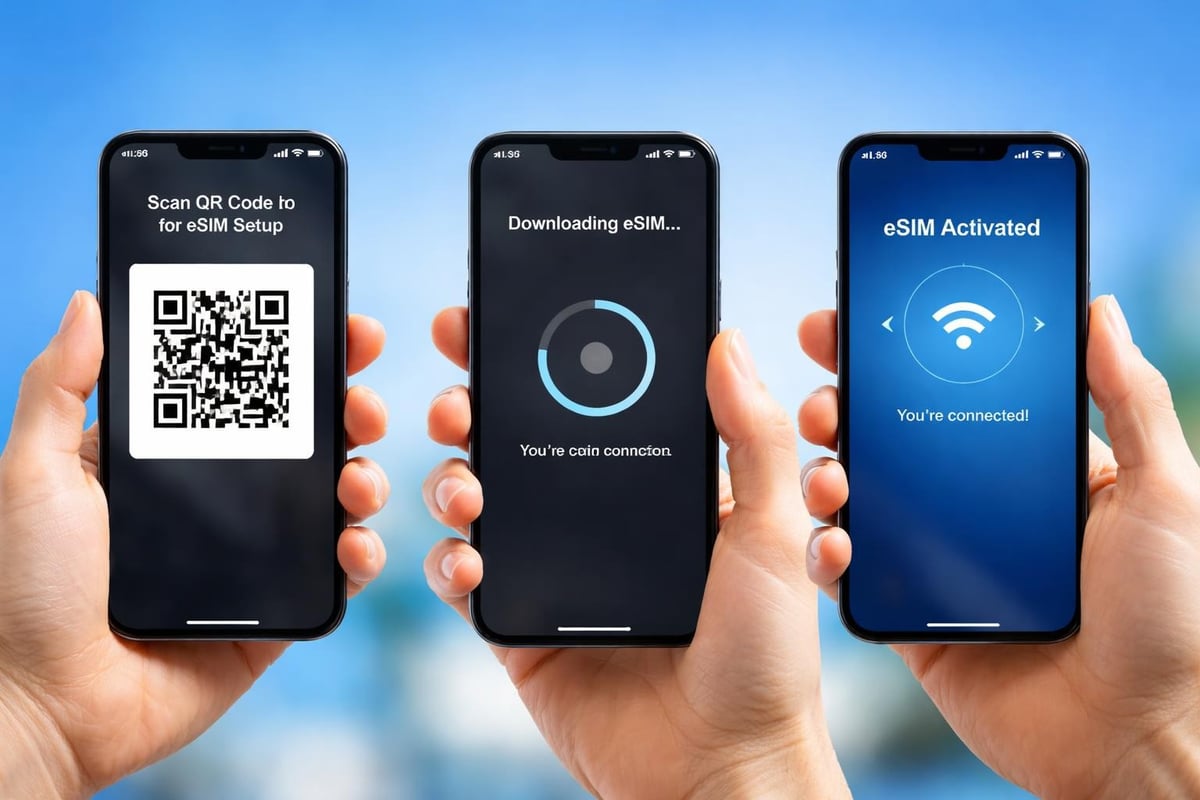
Understanding the technical foundation helps demystify the maya esim experience. When you purchase a plan, you receive a QR code or activation code via email. Your device scans this code, downloads the eSIM profile, and connects to the designated mobile network.
The process leverages eSIM technology standards that major device manufacturers have adopted since around 2018. Your phone's embedded SIM chip can store multiple profiles simultaneously, meaning you can keep your home number active whilst adding maya esim for international data.
| Step | Action | Time Required |
|---|---|---|
| 1 | Purchase plan online | 2-3 minutes |
| 2 | Receive QR code via email | Instant |
| 3 | Scan code with device camera | 30 seconds |
| 4 | Download and activate profile | 1-2 minutes |
| 5 | Connect to network | Automatic |
This streamlined approach means you can purchase a maya esim plan whilst boarding your flight and have active data connectivity by the time you land.
Device Compatibility Considerations
Before diving into maya esim, you'll need to verify your device supports eSIM technology. Most flagship smartphones released after 2019 include this capability, but it's worth checking your specific model. If you're unsure whether your device works with eSIM technology, reviewing a comprehensive compatibility guide can save you potential headaches.
Compatible devices include:
- iPhone XS and newer models
- Google Pixel 3 and later versions
- Samsung Galaxy S20 and subsequent releases
- Various iPad Pro and iPad Air models
- Selected Samsung, Huawei, and Motorola devices
Pricing Structure and Plan Options
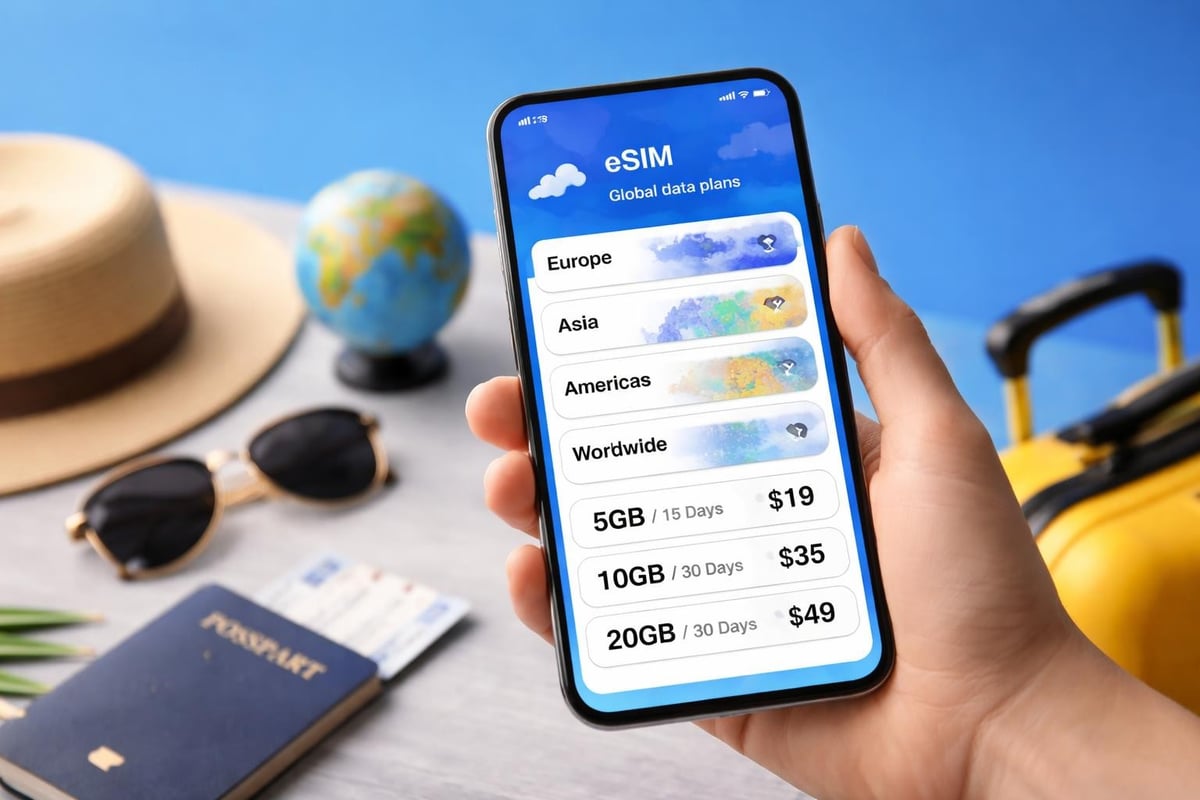
Maya esim pricing varies considerably based on destination, data allowance, and plan duration. Understanding the cost breakdown helps you select the most economical option for your specific needs.
Regional Pricing Analysis
Different geographical regions command different price points with maya esim. Popular tourist destinations typically offer more competitive rates due to higher demand and established infrastructure partnerships.
Europe Plans:
- 1GB for 7 days: Approximately £4-6
- 3GB for 14 days: Around £10-14
- 10GB for 30 days: Typically £25-35
Asia-Pacific Coverage:
- 2GB for 7 days: Generally £6-9
- 5GB for 15 days: Usually £15-20
- Unlimited data options: Premium pricing
Americas Networks:
- 1GB for 5 days: Starting from £5-7
- 5GB for 14 days: Ranging £18-25
- Multi-country packages: Higher tier pricing
The value proposition of maya esim becomes clearer when compared against traditional roaming charges. Standard carrier roaming fees can reach £6-10 per megabyte in some regions, making even modest data usage extraordinarily expensive.
Setting Up Your Maya eSIM Connection
The activation process for maya esim follows a straightforward sequence, though minor variations exist depending on your device's operating system. Getting the setup right the first time prevents connectivity frustrations later.
iOS Setup Walkthrough
Apple devices offer perhaps the most intuitive maya esim installation experience. Once you've purchased your plan and received the activation QR code, the process unfolds smoothly.
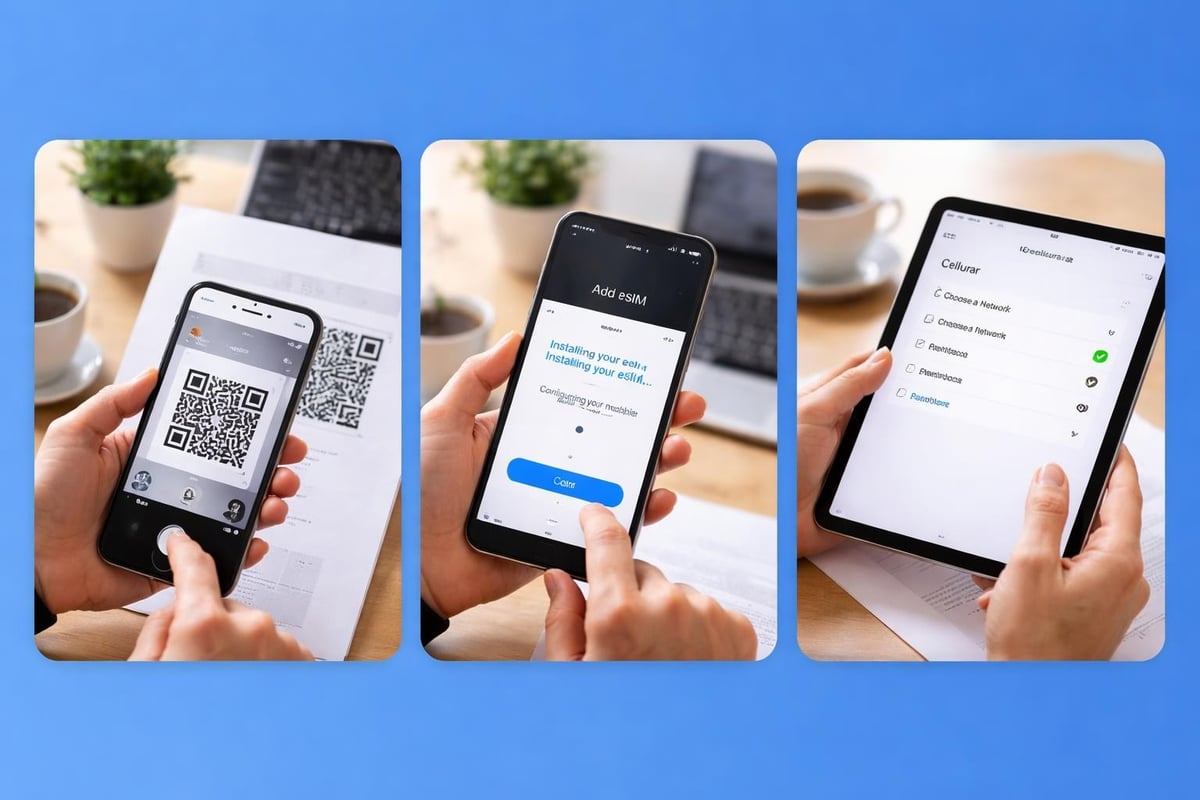
Navigate to Settings, then Cellular or Mobile Data. Select "Add Cellular Plan" and point your camera at the QR code provided. Your iPhone automatically recognizes the code and prompts you to add the maya esim profile.
You'll then need to label this new plan (perhaps "Travel Data" or "Maya eSIM") and decide whether to use it for cellular data, voice calls, or both. For most international travellers, designating maya esim for data whilst keeping your primary SIM for calls makes practical sense.
Android Configuration Steps
Android devices require slightly different navigation, though the fundamental process remains similar. The exact menu locations vary by manufacturer, but you're typically looking for Settings, then Network & Internet, followed by Mobile Network.
Select the option to add a carrier or download a SIM, then scan your maya esim QR code. The system downloads the profile and may prompt you to restart your device to complete activation.
If you encounter difficulties during setup, having access to clear installation guidance can resolve most common issues quickly.
Performance and Network Reliability
Real-world performance separates theoretical promises from actual usability. Maya esim connects to established local networks in each country, meaning your experience largely depends on the underlying carrier infrastructure.
Speed Test Results
Independent testing of maya esim across various locations reveals generally solid performance. In major cities with 4G or 5G infrastructure, users typically experience:
- Download speeds: 15-50 Mbps on average
- Upload speeds: 5-20 Mbps in most scenarios
- Latency: 30-80ms depending on location
- Network stability: Consistent connection maintenance
Rural or remote areas naturally show reduced performance, though this reflects infrastructure limitations rather than maya esim-specific issues.
Customer Support and Problem Resolution
When connectivity issues arise mid-journey, responsive customer support becomes invaluable. Maya esim provides several support channels, though user experiences vary.
The platform offers email support, live chat during business hours, and a FAQ section addressing common technical queries. Response times for email inquiries typically range from 4-24 hours, whilst live chat provides more immediate assistance.
Common issues users report include:
- Initial activation delays occasionally extending beyond the promised timeframe
- Network selection problems requiring manual carrier selection in device settings
- Data balance tracking sometimes showing inconsistent usage calculations
- Compatibility confusion when device capabilities aren't clearly communicated
Independent assessments, such as this detailed Maya eSIM review, provide balanced perspectives on service quality and support responsiveness.
Comparing Maya eSIM to Alternative Providers
The eSIM marketplace has expanded rapidly, with numerous providers competing for traveller attention. Understanding where maya esim fits within this competitive landscape helps inform your purchasing decision.
| Feature | Maya eSIM | Typical Competitors | Premium Providers |
|---|---|---|---|
| Country Coverage | 100+ destinations | 80-150 countries | 150-200+ countries |
| Instant Activation | Yes | Usually | Yes |
| Price Point | Mid-range | Varies widely | Generally higher |
| Customer Support | Email + Chat | Mixed options | 24/7 comprehensive |
| Plan Flexibility | Moderate | Varies | Highly customizable |
Alternative providers each bring different strengths. Some specialize in specific regions, offering deeper local network partnerships and potentially better pricing for those destinations. Others focus on global coverage breadth, sacrificing regional optimization for worldwide availability.
For travellers visiting popular destinations like Spain, Italy, or France, comparing regional specialists against maya esim can reveal significant price differences.
When Maya eSIM Makes Most Sense
Maya esim particularly suits certain traveller profiles:
Frequent European travellers benefit from strong regional coverage and competitive pricing across the continent. The ability to activate plans quickly when crossing borders eliminates the traditional SIM-swapping hassle.
Short-term visitors appreciate the no-commitment structure. Unlike traditional contracts, maya esim allows you to purchase exactly the data you need for your trip duration without ongoing obligations.
Digital nomads working remotely whilst travelling find value in the flexibility to add connectivity incrementally rather than committing to lengthy contracts in countries where their stay duration remains uncertain.
Data Management and Usage Optimization
Maximizing your maya esim data allowance requires strategic usage habits, particularly when plans offer limited gigabytes. Understanding which activities consume the most data helps you stay within your package limits.
High-Impact Data Activities
Certain smartphone uses burn through data allowances rapidly:
- Video streaming consumes 1-3GB per hour at standard quality
- Video calls use approximately 300-500MB per hour
- Social media scrolling with auto-playing videos quickly accumulates usage
- Cloud photo backups can exhaust data plans if not configured carefully
- Music streaming requires 40-150MB per hour depending on quality settings
Conversely, text-based communication, map downloads (when cached offline), and web browsing consume relatively modest data. Adjusting your usage patterns during maya esim activation periods can extend plan longevity significantly.
Privacy and Security Considerations
Digital connectivity always raises security questions, and maya esim is no exception. Understanding the privacy implications helps you make informed decisions about when and how to use the service.
Maya esim connections encrypt data transmission using standard mobile network protocols. This provides baseline security comparable to traditional SIM cards. However, the digital nature of eSIM profiles introduces specific considerations.
Your eSIM profile contains identifying information linked to your device's IMEI number and your account details. Whilst this information remains secured within your device's protected storage, it's technically more accessible than a physical SIM card you could remove and store separately.
Best Practices for Secure Usage
Protecting your connectivity whilst using maya esim involves several straightforward precautions:
- Enable device lock screens with strong passwords or biometric authentication
- Avoid accessing sensitive financial accounts over public networks, even with maya esim
- Consider using VPN services for additional encryption layers
- Monitor your data usage for unexpected spikes that might indicate unauthorized access
- Delete old eSIM profiles you no longer need to minimize stored credentials
Multi-Device Management Strategies
Modern travellers often carry multiple connected devices, from smartphones to tablets and smartwatches. Managing maya esim across this device ecosystem requires thoughtful planning.
Some maya esim plans allow profile sharing across devices, whilst others restrict usage to a single device. Before purchasing, clarify whether you need separate plans for each device or if a shared data pool suits your situation better.
For travellers heading to destinations like Thailand, Japan, or USA, having data connectivity on both a phone and tablet can prove valuable for navigation, translation, and productivity tasks.
Troubleshooting Common Connection Issues
Even with straightforward setup processes, occasional technical hiccups occur with maya esim. Knowing how to resolve common problems saves frustration during your travels.
Problem: eSIM profile installed but no network connection
First, verify you've enabled the maya esim line in your device settings and designated it for mobile data. Next, check whether airplane mode is accidentally activated or if you've manually disabled cellular data.
If settings appear correct, try manually selecting a network carrier. Your device may be attempting to connect to an incompatible network. Navigate to network settings and scan for available carriers, then manually select one that works with your maya esim plan.
Problem: Extremely slow data speeds despite strong signal
This often indicates network congestion or throttling. Some maya esim plans implement fair usage policies that reduce speeds after certain data thresholds. Check whether you've exceeded any plan limits.
Alternatively, your device might be connecting to a 3G network despite 4G availability. Forcing your phone to prefer LTE/4G networks in settings can resolve this issue.
Problem: QR code won't scan during installation
Lighting conditions and camera focus significantly affect QR code recognition. Ensure adequate lighting, hold your device steady, and maintain appropriate distance from the screen displaying the code. If scanning repeatedly fails, most providers offer manual entry of activation codes as an alternative method.
Future Developments in eSIM Technology
The maya esim landscape continues evolving as technology advances and adoption increases. Understanding upcoming trends helps contextualize how eSIM solutions might improve in coming years.
Industry analysts predict several significant developments by 2027-2028. Multiple eSIM profile management will become more sophisticated, allowing seamless switching between carriers based on location, pricing, or network performance. Artificial intelligence may optimize network selection automatically, ensuring you're always connected to the best available option.
Device manufacturers are expanding eSIM capabilities beyond smartphones. Smartwatches, laptops, and even some automobiles now incorporate eSIM technology, creating ecosystems where maya esim and similar services could provide unified connectivity across all your devices.
Regulatory environments are also shifting. More countries are mandating eSIM support in devices sold within their borders, whilst others are examining consumer protection frameworks specific to digital SIM services. These changes will likely impact pricing, availability, and service standards across the industry.
For travellers exploring diverse destinations from Australia to Greece, these technological improvements promise increasingly seamless global connectivity experiences.
Maximizing Value from Your Investment
Getting the most from maya esim extends beyond simply purchasing the cheapest available plan. Strategic selection based on your specific travel patterns and usage needs optimizes both cost and convenience.
Before committing to any plan, honestly assess your data requirements. Review your typical monthly usage in your home country, then adjust for travel factors. You'll likely use more data for navigation and translation apps, but potentially less for activities you normally do at home on WiFi.
Consider plan timing carefully. Purchasing maya esim too far in advance risks the validity period beginning before your trip starts. Conversely, waiting until you've already departed might leave you scrambling for WiFi to complete the purchase and activation.
For extended trips spanning multiple countries, evaluate whether a single regional plan or multiple country-specific plans offers better value. A pan-European maya esim plan might cost more upfront but provide better per-country value than purchasing separate plans for each destination.
If you're planning visits to locations like Singapore, Vietnam, or Philippines, comparing regional packages against individual country plans can reveal substantial savings opportunities.
Maya esim represents a practical solution for travellers seeking flexible, instant mobile connectivity without the complications of physical SIM cards. By understanding pricing structures, setup processes, and optimization strategies, you can make informed decisions that balance cost, convenience, and reliability. Whether you're exploring a single destination or journeying across multiple countries, modern eSIM technology offers unprecedented connectivity freedom. For instant activation, competitive pricing across 200+ countries, and straightforward setup without roaming fees, gosimless.app delivers the seamless global connectivity you need for your next adventure.
gosimless Team
The gosimless editorial desk — testing eSIMs, carriers and travel connectivity so you don't have to. Updated continuously from the road.