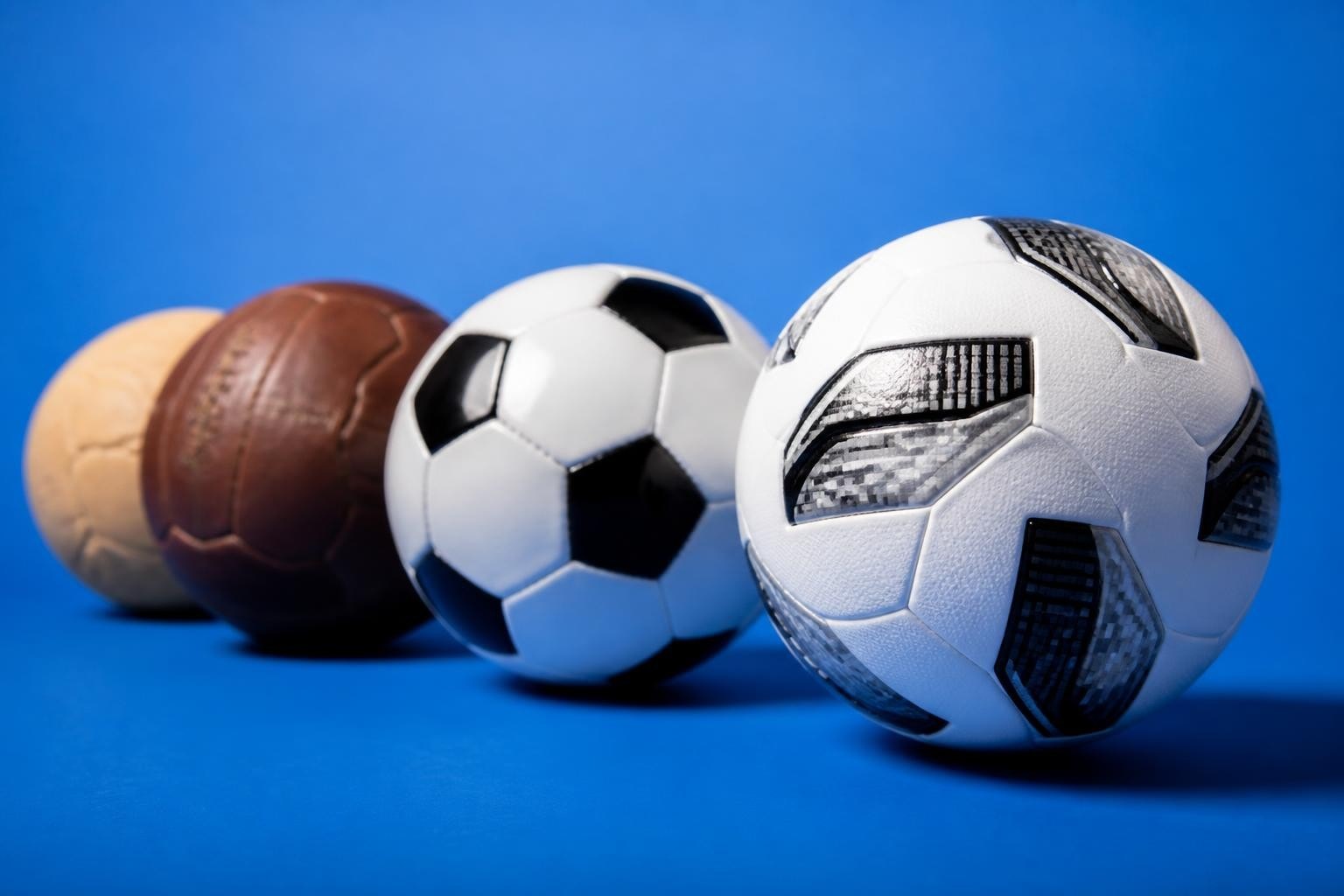
You've probably noticed how every four years, football fans around the globe don't just talk about which teams will compete - they also obsess over the official match ball. The fifa world cup ball has become as iconic as the trophy itself, representing cutting-edge design, engineering innovation, and the spirit of the world's most-watched sporting event. Whether you're planning to attend matches across North America in 2026 or watching from home whilst travelling, understanding the story behind these remarkable spheres adds another layer of appreciation to the beautiful game.
The Journey From Leather to High-Tech Innovation
The fifa world cup ball has undergone a remarkable transformation since Uruguay hosted the first tournament in 1930. Back then, there wasn't even a standardised ball - the final between Uruguay and Argentina famously used different balls in each half, one provided by each team. Can you imagine the chaos?
Everything changed in 1970 when Adidas introduced the Telstar, the first officially branded fifa world cup ball. Named after the communication satellite, its iconic black-and-white pentagon design made it easily visible on black-and-white televisions. This wasn't just about aesthetics - it revolutionised how fans experienced matches from their living rooms.
Key Milestones in Ball Evolution
The progression from traditional construction to modern marvels happened faster than you might think:
- 1970 Telstar: 32-panel leather construction, hand-stitched
- 1986 Azteca: First fully synthetic fifa world cup ball, better water resistance
- 2006 Teamgeist: Reduced to 14 panels using thermal bonding
- 2010 Jabulani: Just 8 panels, controversial flight characteristics
- 2014 Brazuca: 6 panels, improved stability after extensive testing
- 2022 Al Rihla: Fastest fifa world cup ball ever, designed for desert conditions
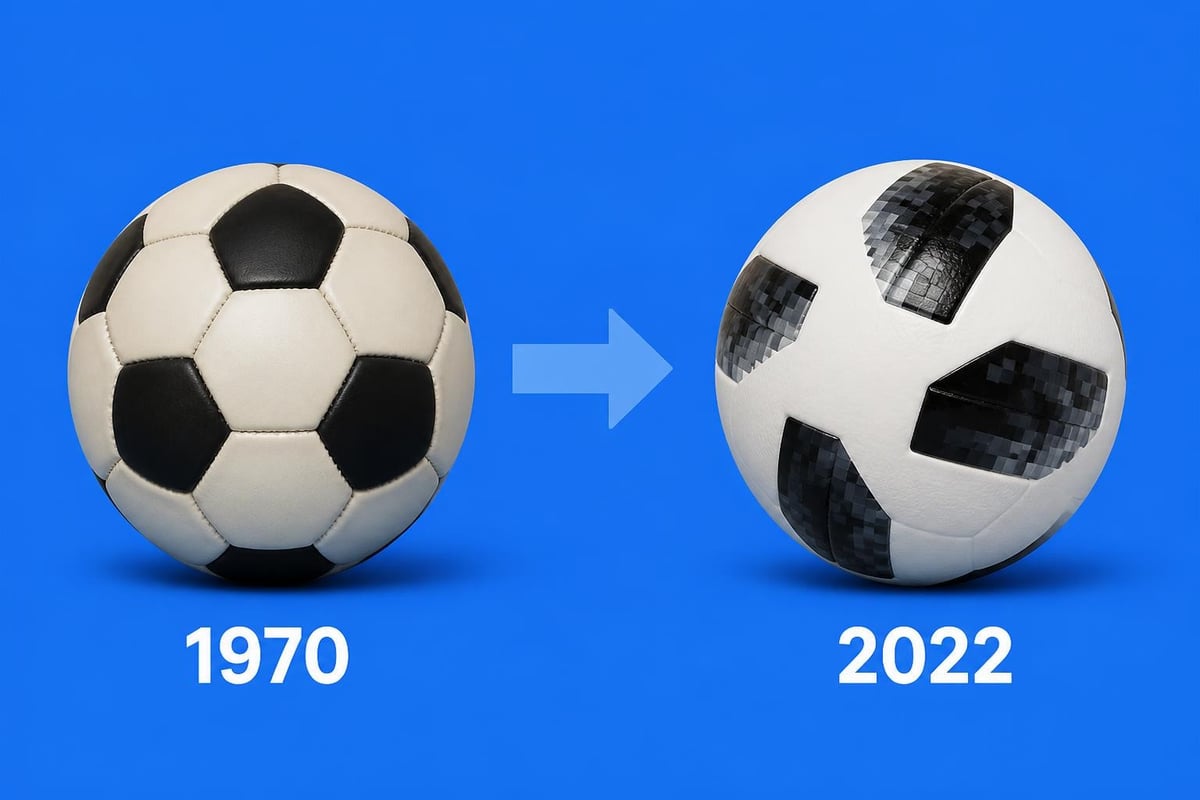
Each iteration solved problems from previous tournaments whilst introducing new technologies. The history of World Cup match balls reveals how manufacturers responded to player feedback, weather conditions, and broadcasting requirements.
The Science Behind the 2026 Trionda
For the upcoming tournament across the United States, Canada, and Mexico, Adidas has unveiled the Trionda - a name that cleverly references the three host nations. If you're travelling to matches in any of these countries, you'll witness this technological marvel in action, and staying connected with reliable USA eSIM coverage ensures you won't miss sharing those incredible moments.
What Makes the Trionda Special?
The latest fifa world cup ball represents the pinnacle of sports engineering. According to PU Magazine's analysis, the polyurethane construction offers unprecedented consistency across different playing conditions.
| Feature | Specification | Benefit |
|---|---|---|
| Panel Count | 20 interlocking panels | Optimal aerodynamics |
| Surface Texture | Micro-textured polyurethane | Better grip in all weather |
| Weight | 420-445 grams | FIFA regulation standard |
| Circumference | 68-70 cm | Perfect sphere geometry |
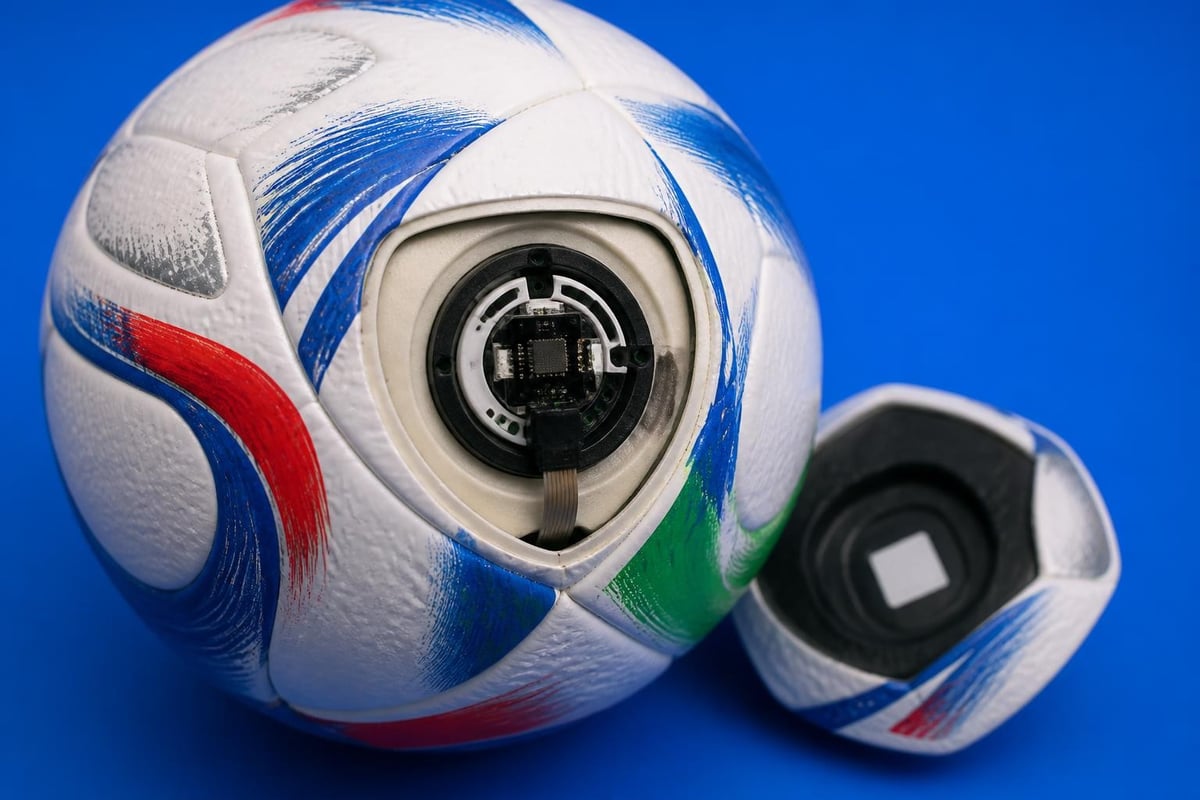
| Connected Ball Tech | Embedded IMU sensor | Real-time position tracking |
The embedded sensor technology deserves special attention. Unlike previous tournaments where the connected ball system was optional, the 2026 fifa world cup ball makes it standard. This provides referees with precise data about ball position, speed, and even the exact moment of contact - crucial for VAR decisions.
Design Philosophy and Cultural Significance
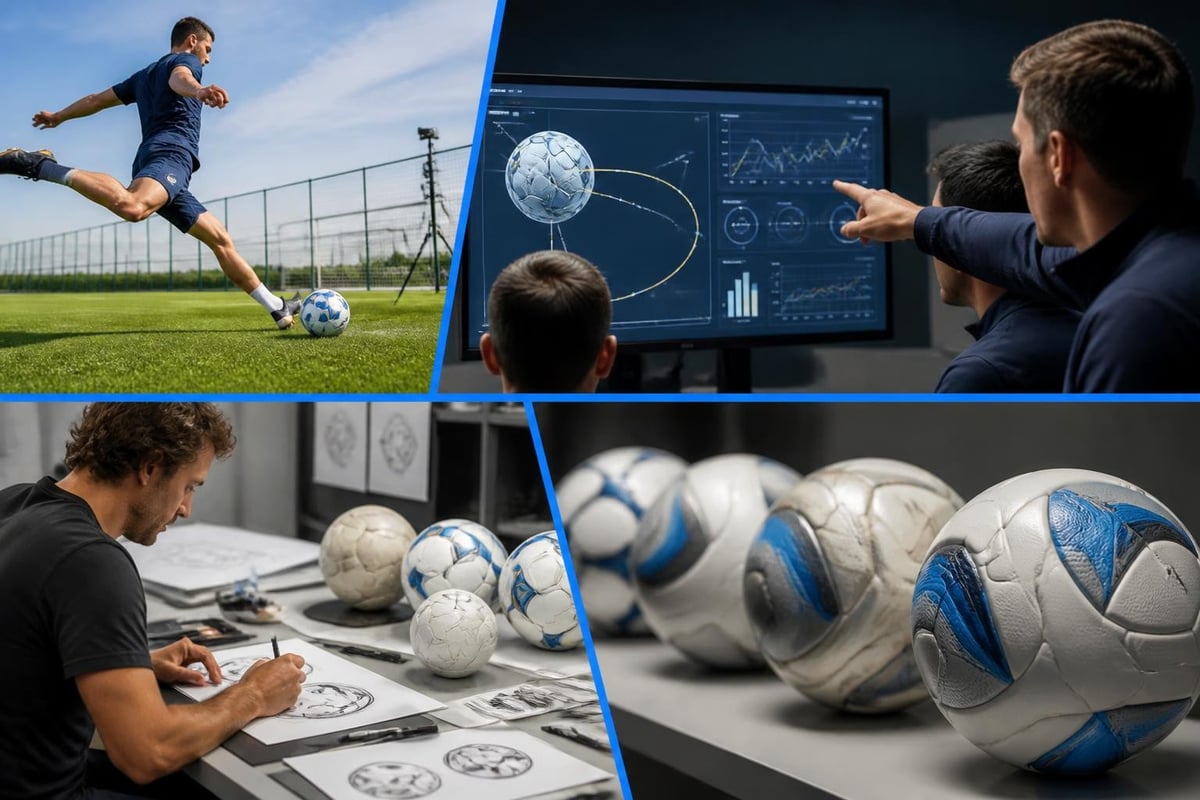
Every fifa world cup ball tells a story about its host nation. The design process typically starts three years before kick-off, involving extensive consultation with players, teams, and cultural experts.
The Trionda's visual identity draws inspiration from:
- North American landscapes: Colour gradients representing diverse terrains
- Sporting heritage: Nods to football traditions across all three hosts
- Unity theme: Geometric patterns symbolising connection between nations
- Performance visibility: High-contrast elements for broadcast clarity
This careful balance between cultural representation and functional design sets the fifa world cup ball apart from regular match balls. You're not just seeing a piece of equipment - you're witnessing months of research, testing, and artistic collaboration.
The Testing Process
Before any fifa world cup ball reaches a stadium, it undergoes rigorous evaluation. Manufacturers test thousands of prototypes in:
- Wind tunnels to analyse aerodynamic behaviour
- Climate chambers simulating humidity and temperature extremes
- Robot kicking machines for consistency measurements
- Real-world trials with professional players
The aerodynamics research shows how even millimetre changes in surface texture can alter trajectory. Remember the controversy around the Jabulani's unpredictable flight? That taught designers valuable lessons about balancing innovation with playability.
Smart Technology Integration
The fifa world cup ball has become a data-collection device as much as sporting equipment. The 2026 Trionda contains a suspension-mounted inertial measurement unit (IMU) that tracks movement 500 times per second.
What Data Gets Collected?
Ball Movement Metrics:
- Precise 3D position tracking
- Speed calculations accurate to 0.01 metres per second
- Spin rate and axis orientation
- Exact moment of player contact
Match Official Support:
- Automated offside detection assistance
- Goal-line technology confirmation
- Out-of-bounds determination
- Possession statistics
This technology integration transforms how we understand the game. When you're watching matches - whether at the stadium or streaming on your device using modern eSIM technology - you're seeing football analytics in real-time that would have seemed like science fiction a decade ago.
Environmental Considerations
Modern fifa world cup ball production increasingly focuses on sustainability. The 2026 edition incorporates recycled materials without compromising performance - a significant achievement in sports manufacturing.
| Aspect | Traditional Ball | 2026 Trionda |
|---|---|---|
| Materials | Virgin polyurethane | 30% recycled content |
| Production Waste | 15-20% material loss | Under 8% waste |
| Packaging | Plastic-heavy | Recyclable cardboard |
| Lifespan | 25-30 matches | 40+ matches |
| Carbon Footprint | Baseline | 35% reduction |
Manufacturers now consider the entire lifecycle - from raw material sourcing through disposal. This shift reflects broader changes in sports equipment production and consumer expectations.
Player Perspectives and Performance Impact
Professional footballers have strong opinions about the fifa world cup ball, and their feedback directly influences future designs. Some players prefer more traditional feel, whilst others embrace technological advantages.
Common Player Feedback Areas
Players evaluate balls across several dimensions:
- Touch and control: How the ball responds to different contact points
- Flight predictability: Consistency in various weather conditions
- Power transfer: Energy efficiency from kick to movement
- Durability: Performance maintenance throughout matches
- Visual tracking: Ease of following the ball's trajectory
The controversial reception of certain balls - particularly the 2010 Jabulani - taught FIFA and manufacturers valuable lessons. The evolution of design shows how player input shapes subsequent iterations.
Goalkeepers particularly care about flight characteristics. Unpredictable movement makes shot-stopping exponentially harder, so modern fifa world cup ball development prioritises consistency alongside innovation.
Broadcasting and Visual Technology
The fifa world cup ball isn't designed in isolation from broadcast technology. As television and streaming quality have improved, ball visibility and tracking have become crucial considerations.
Modern balls must perform across multiple viewing platforms:
- 4K and 8K broadcasts: Requiring crisp visual definition
- High-frame-rate cameras: Capturing detailed ball movement
- Augmented reality graphics: Overlaying trajectory predictions
- Virtual reality experiences: Providing immersive perspectives
The evolution of football broadcasting demonstrates how each tournament pushes technological boundaries. The 2026 edition will feature referee body cameras, offering unprecedented perspectives on how the ball behaves during crucial moments.
Collecting and Commemorating Match Balls
For many fans, owning a replica fifa world cup ball connects them to tournament memories. The collectibles market for official balls has grown substantially, with vintage models commanding impressive prices.
Popular Collector Categories:
- Tournament-specific editions (each World Cup release)
- Final match replicas with special markings
- Player-signed versions from significant games
- Limited anniversary editions
- Prototype and test versions
The emotional connection people feel toward these balls goes beyond mere nostalgia. They represent specific moments - a last-minute goal, an unexpected upset, a national team's triumph. When you hold a replica of the ball from your country's greatest World Cup moment, you're holding a piece of sporting history.
The Global Manufacturing Process
Creating millions of fifa world cup ball units requires sophisticated global coordination. The 2026 tournament expects to distribute approximately 3.5 million official balls across various tiers - from premium match balls to affordable recreational versions.
Production Tiers
Different quality levels serve different markets:
- Professional Match Ball: Used in actual World Cup games (approximately 5,000 units)
- Official Match Ball Replica: Top-tier consumer version with identical specifications
- Training Ball: Slightly simplified construction for durability
- Recreational Ball: Budget-friendly version maintaining design aesthetic
This tiered approach makes the fifa world cup ball accessible across economic segments whilst maintaining premium standards where performance matters most. Manufacturing facilities across Asia, Europe, and the Americas coordinate to meet global demand.
Future Innovations on the Horizon
Looking beyond 2026, what might the next generation of fifa world cup ball technology bring? Industry insiders suggest several possibilities currently in research phases.
Emerging Technologies:
- Real-time pressure monitoring to detect deflation
- Enhanced communication between ball and referee equipment
- Biodegradable materials without performance compromise
- Player-specific data collection (shot power, curve generation)
- Augmented reality integration for training applications
The balance between tradition and innovation remains delicate. Football purists argue the game shouldn't become over-reliant on technology, whilst progressives believe enhanced data improves fairness and entertainment value.
Cultural Impact Beyond the Pitch
The fifa world cup ball influences popular culture, art, and design far beyond football stadiums. Each edition's distinctive appearance becomes recognisable worldwide, appearing in advertisements, street art, and fashion.
Consider how the Telstar's pentagon pattern became synonymous with football itself - you can spot that design on everything from children's toys to corporate logos decades later. The visual language of each ball enters our collective consciousness during the tournament, then lingers in cultural memory.
For travelling fans attending matches across North America, these balls represent shared global experiences. Whether you're watching in New York, Toronto, or Mexico City, the same fifa world cup ball connects everyone to identical sporting moments. Staying connected with reliable eSIM coverage ensures you can share those experiences instantly with friends and family worldwide.
The Economics of Ball Production
The fifa world cup ball represents a significant commercial opportunity for manufacturers. Adidas has held the official supplier contract since 1970, creating an association worth hundreds of millions across sponsorship, licensing, and direct sales.
| Revenue Stream | Estimated Value (2026) |
|---|---|
| Licensing fees to FIFA | $120-150 million |
| Official ball sales | $250-300 million |
| Replica merchandise | $180-220 million |
| Training ball variants | $90-110 million |
| Licensing to partners | $60-80 million |
These figures exclude related merchandise, promotional tie-ins, and long-term brand value. The exposure gained from being the official fifa world cup ball supplier extends far beyond the tournament itself, influencing purchasing decisions for years afterward.
Regional Variations and Adaptations
Whilst the core match ball remains identical globally, manufacturers create region-specific marketing and packaging strategies. The 2026 tournament's three-nation format requires particularly nuanced approaches.
Different markets prioritise different ball characteristics:
- North American consumers: Often prefer softer touch for recreational play
- European buyers: Typically favour traditional feel and durability
- Asian markets: Show strong interest in technological features
- South American purchasers: Value authentic match-ball experience
Understanding these preferences helps manufacturers develop complementary product lines that maintain the fifa world cup ball's core identity whilst appealing to diverse consumer bases.
The fifa world cup ball has evolved from simple leather spheres to sophisticated technological marvels that capture data, enhance fairness, and push engineering boundaries. As you prepare to experience the 2026 tournament - whether attending matches in person or watching from abroad - staying connected is essential for capturing and sharing those unforgettable moments. With gosimless.app, you can enjoy instant eSIM activation across all three host nations and 200+ countries worldwide, ensuring you're always connected to share goals, upsets, and celebrations without worrying about roaming fees or connectivity issues.
gosimless Team
The gosimless editorial desk — testing eSIMs, carriers and travel connectivity so you don't have to. Updated continuously from the road.