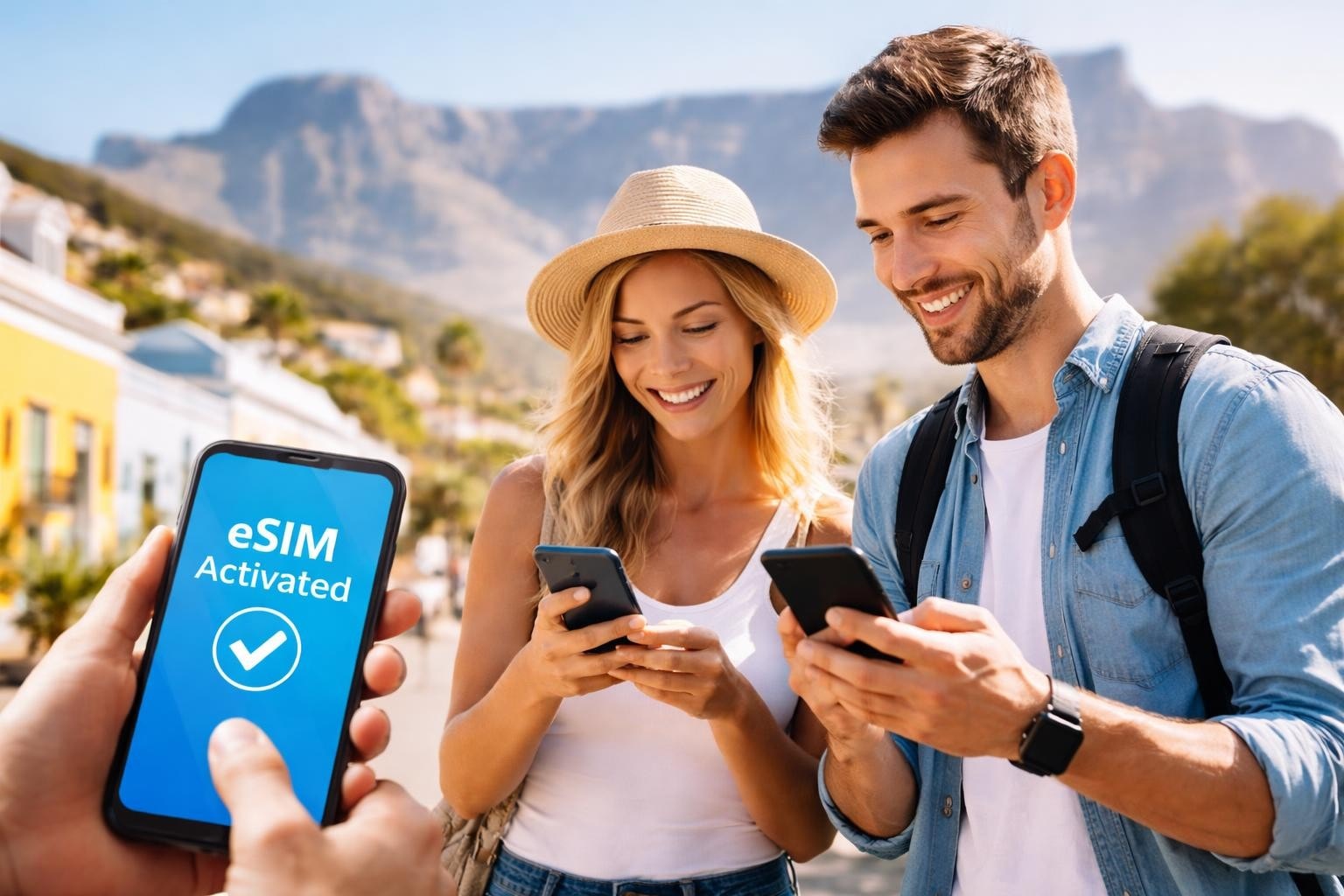
Travelling to South Africa or living there and tired of fumbling with physical SIM cards? You're not alone. The shift toward eSIM technology has transformed how we stay connected, and South Africa is embracing this digital revolution with open arms. Whether you're planning a safari in Kruger National Park, exploring Cape Town's vibrant streets, or conducting business in Johannesburg, understanding esim south africa options can save you money, time, and hassle. Let's dive into everything you need to know about getting connected the modern way.
What Is an eSIM and Why Does It Matter in South Africa?
Think of an eSIM as a digital version of the traditional SIM card you've been using for years. Instead of inserting a physical chip into your phone, you download a profile directly to your device. Simple, right?
The technology has been around since 2018, but it's only recently gained serious traction in South Africa. Major networks have rolled out comprehensive eSIM support, and the benefits are hard to ignore:
- No physical cards to lose or damage
- Instant activation without visiting a shop
- Multiple profiles on a single device
- Environmentally friendly with zero plastic waste
For travellers especially, esim south africa solutions eliminate the stress of hunting down a local SIM card after a long flight. You can activate your connection before your plane even lands, stepping off ready to share that first Table Mountain sunset on social media.
How eSIM Technology Works
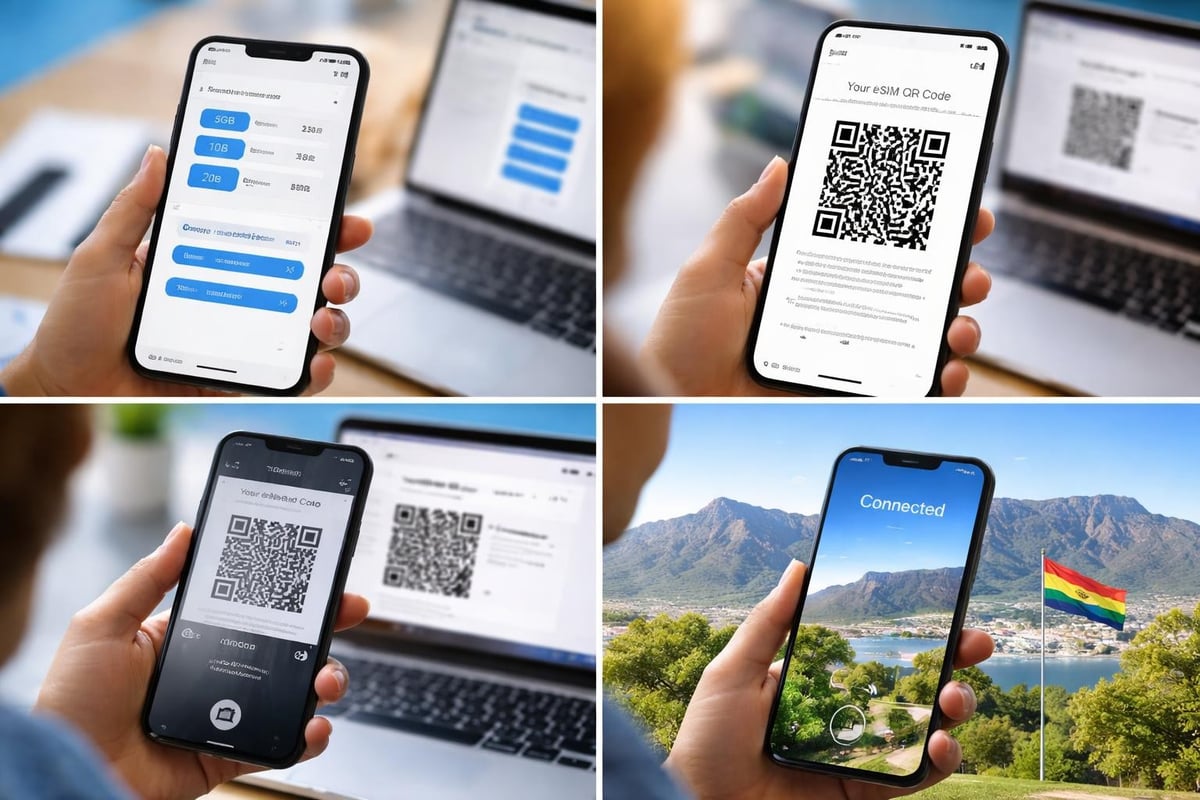
Your phone already has an embedded chip that's reprogrammable. When you purchase an eSIM plan, you receive a QR code or activation details via email. Scan the code, follow a few prompts, and boom-you're connected to a South African network.
The process typically takes less than five minutes. I remember my first eSIM activation; I was skeptical it could be that easy. But standing in my kitchen, I went from purchase to full connectivity faster than brewing a cup of tea.
Comparing eSIM South Africa Providers and Plans
Not all eSIM providers are created equal, especially when it comes to South African coverage. Let's break down what matters most when choosing a provider.
Network Coverage Across South Africa
South Africa's three major networks-Vodacom, MTN, and Cell C-dominate the landscape. Most eSIM providers partner with one or more of these networks to deliver service.
| Provider Type | Primary Network | Coverage Areas | Best For |
|---|---|---|---|
| Premium International | Vodacom/MTN | Urban + Rural | Tourists, short visits |
| Local eSIM | All three networks | Nationwide | Long-term stays |
| Budget Options | Cell C | Major cities | Budget travelers |
Vodacom generally offers the most extensive coverage, particularly in rural areas where you might be tracking wildlife or exploring the Garden Route. MTN provides excellent speeds in cities like Durban and Pretoria.
When you're evaluating esim south africa options, consider where you'll actually be spending your time. Urban-only plans work brilliantly if you're sticking to Cape Town and Johannesburg, but venture into the countryside and you'll want broader coverage.
Data Allowances and Pricing
Here's where things get interesting. Data prices in South Africa can vary wildly depending on your provider choice.
Typical price ranges for 2026:
- 1GB for 7 days: £3-£8
- 3GB for 14 days: £10-£20
- 10GB for 30 days: £25-£45
- Unlimited plans: £40-£80 per month
The comparison between different eSIM providers shows that shopping around genuinely pays off. Some providers charge premium prices for the convenience factor, while others focus on value.
A smart strategy? Calculate your actual data needs first. Most people overestimate how much data they'll use. Streaming a two-hour film in HD uses about 3GB, while browsing social media and maps might only consume 100MB per hour.
Setting Up Your eSIM for South Africa
Right, you've chosen a provider and purchased a plan. What happens next? The setup process is remarkably straightforward, but there are a few tricks to ensure smooth sailing.
Device Compatibility Requirements
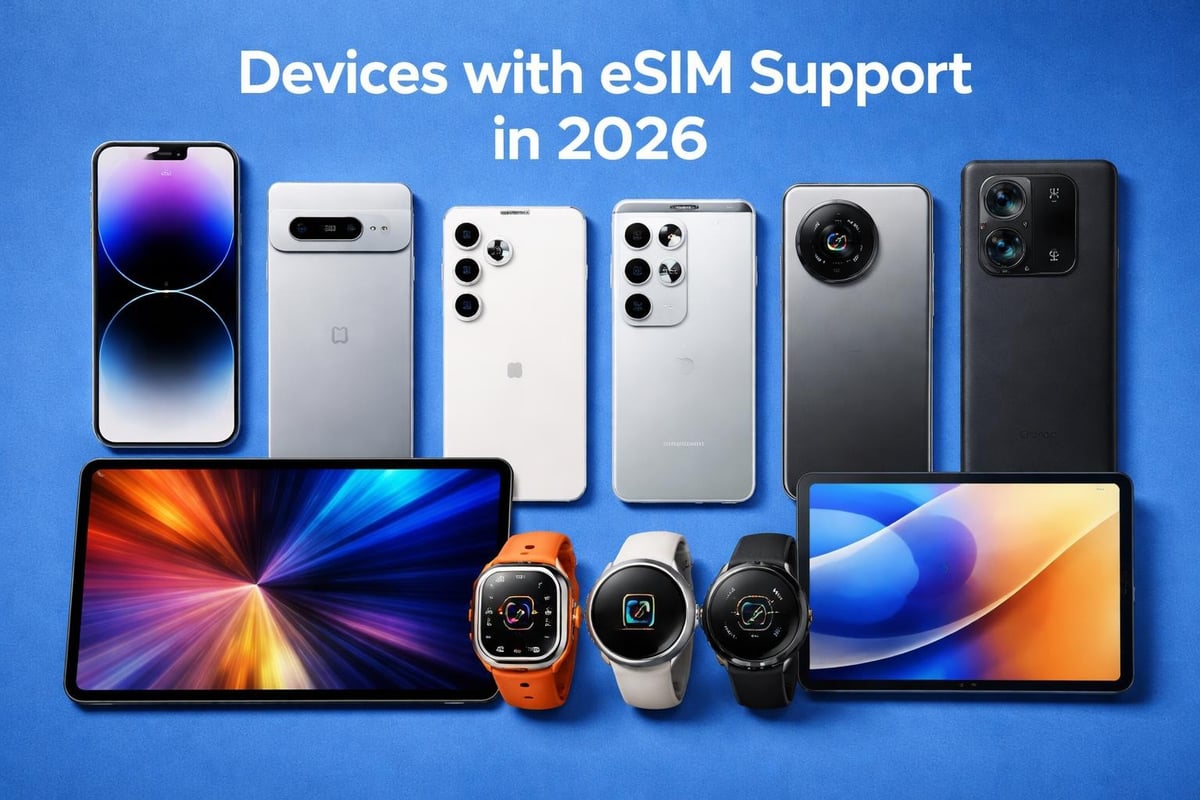
First things first-is your phone actually eSIM compatible? Not all devices support this technology yet, though most modern smartphones do.
Compatible devices include:
- iPhone XS and newer models
- Samsung Galaxy S20 and later
- Google Pixel 3 and beyond
- Most recent Huawei, Oppo, and Xiaomi flagships
You can check your device's compatibility quickly by visiting the compatible devices page before making a purchase. Nothing worse than buying a plan only to discover your phone can't use it.
Step-by-Step Activation Process
The activation process follows a similar pattern across most providers, though minor variations exist. Here's the standard procedure:
- Purchase your eSIM plan from your chosen provider
- Receive confirmation email with QR code or manual setup details
- Open your phone's settings and navigate to Mobile Data or Cellular
- Add a new eSIM by scanning the QR code with your camera
- Label your new plan (e.g., "South Africa Data")
- Select which line to use for data, calls, and messages
- Enable data roaming for the eSIM profile
- Restart your device to complete activation
Most issues during setup stem from forgetting that crucial step 7. Data roaming needs to be enabled for your eSIM to work properly, even though you're using a local profile. Counterintuitive, I know, but that's how the technology functions.
Need more detailed guidance? The installation guide walks through the process with screenshots for different devices.
Network Performance and Speed Expectations
You've got your esim south africa up and running. But what kind of performance can you actually expect? Let's talk real-world speeds and reliability.
4G and 5G Availability
South Africa's 5G rollout has accelerated significantly since 2024, with major cities now offering decent coverage. Vodacom and MTN lead the 5G race, with Cell C following behind.
Current 5G coverage (2026):
- Johannesburg: 65% coverage
- Cape Town: 58% coverage
- Durban: 52% coverage
- Pretoria: 48% coverage
- Other major cities: 30-40% coverage
Outside these metropolitan areas, you'll rely primarily on 4G LTE, which remains excellent throughout most populated regions. Download speeds typically range from 20-50 Mbps on 4G, while 5G can deliver 100-300 Mbps in optimal conditions.
According to reviews of global eSIM providers serving South Africa, actual speeds often match or exceed what traditional SIM cards deliver on the same networks.
Reliability in Different Regions
The Western Cape and Gauteng provinces enjoy the most robust connectivity. Travel to more remote areas like the Northern Cape or rural Eastern Cape, and coverage becomes spottier.
Safari lodges present an interesting challenge. Many are located in areas with limited coverage, though most now offer WiFi. Still, having mobile data for the journey between destinations proves invaluable.
Cost Comparison: eSIM vs Traditional SIM Cards
Let's talk money. Is switching to esim south africa actually cheaper than traditional options?
Breaking Down the Numbers
| Option | Initial Cost | 10GB Plan | Convenience Factor | Total Cost (14 days) |
|---|---|---|---|---|
| Airport SIM | £0 | £25-35 | Medium | £25-35 |
| Local Shop SIM | £0 | £18-25 | Low | £18-25 |
| International eSIM | £0 | £15-30 | High | £15-30 |
| Roaming | £0 | £80-150 | High | £80-150 |
Traditional roaming charges remain the most expensive option by far. Even with improved EU-South Africa roaming agreements, you're looking at premium rates.
Local SIM cards from South African providers offer competitive pricing, but you'll spend time acquiring them, potentially need to show identification, and might face language barriers or confusing plan structures.
International eSIM providers occupy a sweet spot-competitive pricing with maximum convenience. You're paying a small premium over absolute cheapest local options, but saving hours of hassle and frustration.
Hidden Costs to Consider
Watch out for these often-overlooked expenses:
- Top-up fees: Some providers charge for adding more data mid-trip
- Activation charges: Rare but occasionally applied
- Speed throttling: Unlimited plans sometimes reduce speeds after certain thresholds
- Validity periods: Unused data might expire sooner than expected
The flexible plans offered by various providers show how different approaches to validity periods and data rollover can impact total value.
Common Issues and Troubleshooting Tips
Even the smoothest technology hits occasional snags. Here are the most common problems with esim south africa setups and their solutions.
Connection Problems
Issue: eSIM shows installed but won't connect to network
Solutions:
- Toggle airplane mode on and off
- Manually select network operator in settings
- Verify data roaming is enabled for eSIM
- Remove and reinstall the eSIM profile
- Restart your device completely
Issue: Slow speeds despite good signal
Solutions:
- Check if you've exceeded fair usage limits
- Switch between 4G and 5G in network settings
- Reset network settings (saves your eSIM)
- Contact provider to verify no account issues
QR Code Scanning Difficulties
Sometimes the QR code simply won't scan properly. Poor lighting, screen glare, or camera issues cause most problems.
Try these alternatives:
- Increase screen brightness to maximum
- Manual entry using the code provided with QR
- Forward the email to another device and scan from there
- Request a new QR code from your provider
Most providers maintain helpful FAQ sections addressing these common scenarios with provider-specific guidance.
Multi-Device Management and Advanced Features
Modern travelers often carry multiple devices. How does eSIM technology handle this complexity?
Using eSIM Across Multiple Devices
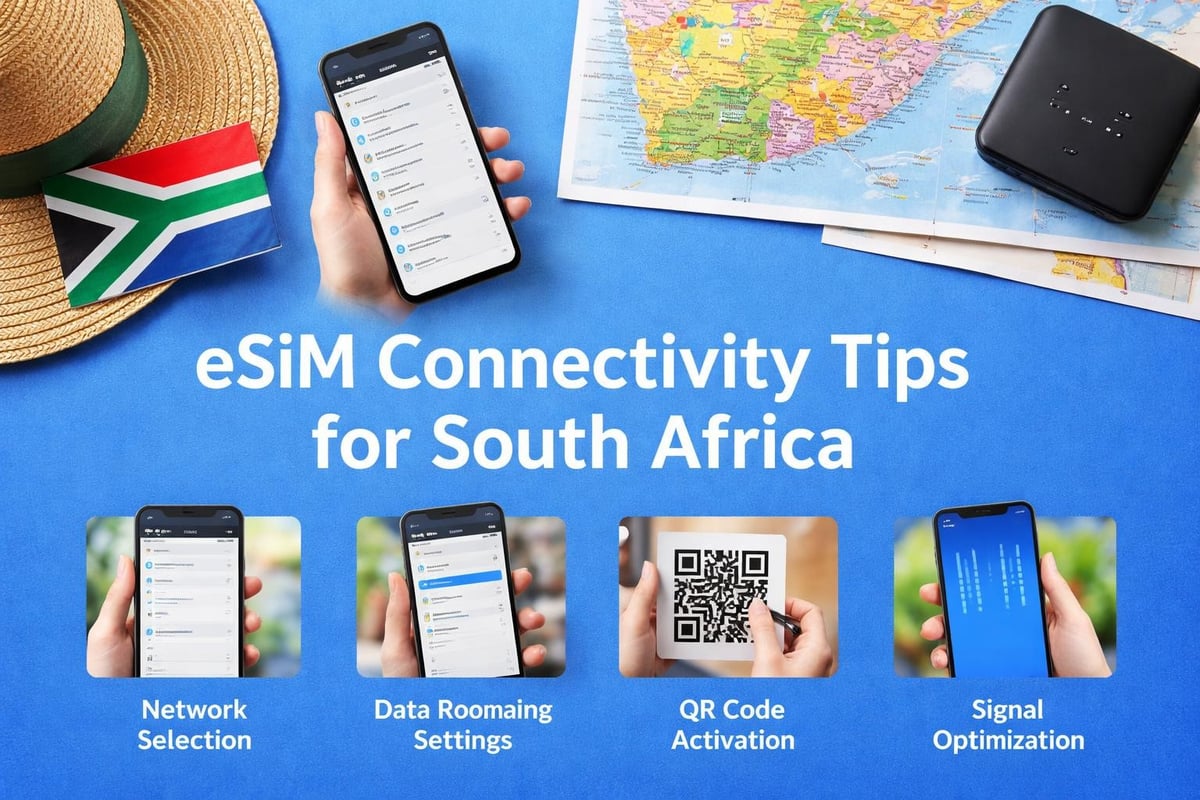
The beauty of eSIM profiles lies in their flexibility. You can install different eSIMs on your phone, tablet, and smartwatch, all managed from one account with some providers.
Typical multi-device scenarios:
- Phone + tablet: Share the same data pool or maintain separate allowances
- Phone + smartwatch: Smartwatch uses phone's connection or independent eSIM
- Dual phones: Business and personal devices with different numbers
- Family plans: Multiple devices under one account with shared data
Not every provider supports multi-device setups equally well. Some limit you to one device per eSIM, while others allow installation on multiple devices with usage restrictions.
Dual SIM Functionality
Here's where eSIM technology truly shines. Most compatible phones support dual SIM mode-your physical SIM card plus an eSIM profile active simultaneously.
This means you can:
- Keep your home number for calls and texts
- Use local South African data on the eSIM
- Switch between numbers for different purposes
- Avoid swapping SIM cards when traveling
I've found this particularly useful when clients or family need to reach me on my regular number, but I want cheap local data for navigation and browsing. Best of both worlds.
Choosing the Right Plan for Your Needs
With dozens of esim south africa providers competing for your business, how do you actually choose?
Short-Term Visitors (1-14 days)
Tourists typically need:
- 3-5GB data for navigation, photos, messaging
- Coverage in major tourist areas
- Easy setup without complicated registration
Look for plans offering good value on smaller data packages. The comprehensive options available through providers like Holafly cater specifically to short-term visitors with unlimited data options that eliminate worry about running out.
Medium-Term Stays (2-12 weeks)
Business travelers or extended visitors require:
- 10-30GB monthly data
- Nationwide coverage including secondary cities
- Ability to top up without buying entirely new plans
- Reliable customer support
Monthly plans typically offer better per-gigabyte value than weekly options. Calculate your daily usage and multiply by trip length, then add 20% buffer for unexpected needs.
Long-Term Residents and Digital Nomads
Those settling in South Africa for months need different solutions:
- Consider local provider eSIMs for best long-term value
- Evaluate unlimited plans if you work remotely
- Compare contract vs prepaid options carefully
- Factor in support quality for ongoing issues
Features like hotspot sharing offered by providers such as Ezy eSIM become crucial when working remotely or sharing connection with travel companions.
Regional Coverage Considerations
South Africa's vast geography means coverage varies dramatically by region. Let's examine what to expect across different areas.
Major Cities and Urban Areas
Johannesburg, Cape Town, Durban, and Pretoria offer excellent coverage across all networks. You'll enjoy:
- Fast 4G/5G speeds throughout
- Reliable indoor coverage in buildings
- Multiple network options for redundancy
- Consistent performance during peak hours
Urban eSIM performance typically exceeds expectations. During my last Cape Town visit, I streamed video calls from V&A Waterfront without a single dropout.
Coastal and Tourist Regions
The Garden Route, Western Cape coastline, and KwaZulu-Natal beaches generally maintain good coverage, though occasional gaps exist between towns.
Coverage quality ratings:
- Garden Route: 8/10
- Wild Coast: 6/10
- Dolphin Coast: 9/10
- West Coast: 7/10
Safari and Wildlife Areas
Here's where things get interesting. Major parks like Kruger have improved coverage in recent years, but remote sections remain challenging.
| Safari Destination | Network Coverage | Recommended Solution |
|---|---|---|
| Kruger National Park | Moderate (main roads) | Download offline maps |
| Addo Elephant Park | Good | Standard eSIM works |
| Kgalagadi | Poor | Rely on lodge WiFi |
| Private Reserves | Variable | Check specific reserve |
Business and Professional Use Cases
Beyond leisure travel, esim south africa technology serves important business functions.
Remote Work and Digital Nomads
South Africa attracts increasing numbers of remote workers seeking sunshine and affordability. eSIM technology supports this lifestyle through:
- Reliable connectivity for video conferences and cloud access
- Cost-effective data compared to hotel or café WiFi dependency
- Flexibility to work from different locations without connection gaps
- Backup connectivity if primary internet fails
Professional users should prioritize providers offering dedicated customer support and guaranteed speeds. Nothing tanks a client presentation faster than buffering video.
International Business Travelers
Executives visiting South Africa for meetings face unique connectivity needs:
- Immediate activation upon landing for time-sensitive communication
- Expense-friendly pricing for corporate reimbursement
- Secure connections for confidential business data
- Multiple device support for phone, laptop, and tablet
Many business travelers maintain eSIM profiles for frequently visited countries, including detailed guides for destinations like Australia and other international hubs.
Future of eSIM Technology in South Africa
Where is all this heading? The trajectory looks promising for anyone interested in esim south africa solutions.
Upcoming Network Improvements
South African carriers have committed to aggressive 5G expansion through 2027. Current projections suggest:
- 80% urban 5G coverage by end of 2026
- 50% rural 4G improvement by 2027
- Enhanced indoor penetration in major buildings
- Faster average speeds across all networks
These improvements benefit eSIM users directly, as most providers update their network access automatically.
Regulatory Changes and Consumer Protection
South Africa's communications regulator ICASA has proposed new rules protecting eSIM users. Expected changes include:
- Mandatory minimum speeds for advertised plans
- Transparent pricing requirements
- Easier number porting between providers
- Enhanced data rollover provisions
These consumer-friendly regulations should drive competition and improve value across the board. Similar to developments seen with other international eSIM markets like Thailand and Japan, regulatory clarity benefits everyone.
Security and Privacy Considerations
Using esim south africa technology raises important security questions worth addressing.
Data Protection on eSIM Networks
eSIMs offer several security advantages over physical SIMs:
- Harder to clone due to embedded chip security
- Remote deactivation if device is stolen
- Encrypted profile downloads during activation
- No physical theft risk of the SIM itself
However, you're still responsible for protecting your device and account credentials. Use strong passwords and enable two-factor authentication wherever possible.
VPN Compatibility
Virtual Private Networks work seamlessly with eSIM connections. In fact, pairing the two provides excellent security for sensitive activities:
- Banking and financial transactions
- Corporate network access
- Personal data transmission
- Bypassing geo-restrictions (where legal)
Most major VPN services function identically on eSIM versus traditional connections. Just ensure your data plan provides sufficient allowance for VPN overhead, which typically adds 10-15% to data consumption.
Making Your Decision
You've absorbed a lot of information about esim south africa options. How do you actually make a decision that fits your specific situation?
Your Decision-Making Checklist
Before purchasing, verify:
- Your device appears on compatibility lists
- Coverage matches your travel destinations
- Data allowance suits your usage patterns
- Pricing fits within your budget
- Provider offers needed customer support
- Activation timing works for your schedule
- Backup options exist if problems arise
When to Choose eSIM Over Traditional Options
eSIM makes most sense when you:
- Value convenience over absolute lowest price
- Travel frequently to multiple countries
- Own compatible devices already
- Need immediate connectivity without airport queues
- Prefer digital management over physical cards
Traditional SIM cards still have their place for ultra-budget conscious travelers or those with incompatible devices, but the gap narrows yearly as eSIM adoption grows.
Similar convenience factors apply when comparing different travel eSIM providers across various features and price points.
Understanding esim south africa options empowers you to stay connected affordably and conveniently throughout your South African adventure. Whether you're climbing Table Mountain, photographing wildlife in Kruger, or conducting business in Sandton, having reliable connectivity enhances every experience. Ready to simplify your South African connectivity? gosimless.app delivers instant eSIM activation with flexible coverage, secure setup, and no roaming fees across 200+ countries-getting you connected the moment you need it.
gosimless Team
The gosimless editorial desk — testing eSIMs, carriers and travel connectivity so you don't have to. Updated continuously from the road.