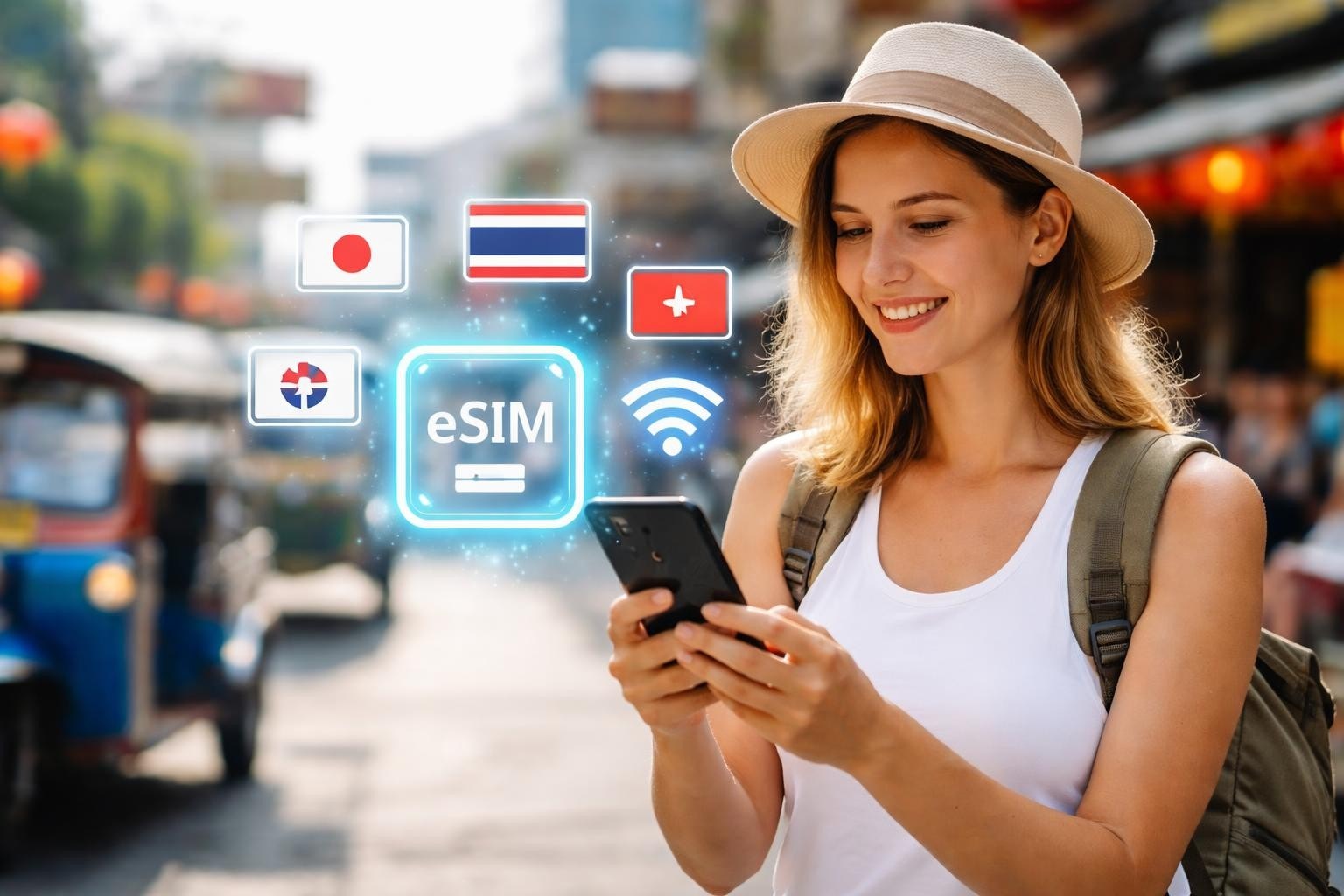
Travelling across Asia has never been more exciting, but staying connected whilst hopping between countries used to be a proper headache. Remember the days of hunting down SIM card shops at airports or paying extortionate roaming fees? Those times are rapidly becoming history. The esim asia market has exploded over the past few years, transforming how millions of travellers and digital nomads maintain connectivity across the continent. Whether you're island-hopping in Thailand, exploring Tokyo's neon streets, or attending business meetings in Singapore, eSIM technology offers a seamless solution that fits perfectly with Asia's fast-paced, tech-savvy culture.
Why eSIM Technology Is Perfect for Asian Travel
Asia presents unique connectivity challenges that make eSIM solutions particularly valuable. The continent spans dozens of countries, each with different mobile networks, pricing structures, and coverage areas. Traditional roaming can cost you a small fortune, whilst buying physical SIM cards in every country means managing multiple cards, potentially losing your home number temporarily, and dealing with language barriers at mobile shops.
eSIM technology solves these problems elegantly. You can activate data plans before you even board your flight, switch between providers without swapping physical cards, and maintain multiple profiles on a single device. For business travellers who need to keep their work number active whilst using local data, this flexibility is invaluable.
The eSIM adoption trend is accelerating globally, with Asia leading the charge in many ways. Countries like Japan, South Korea, and Singapore boast some of the world's most advanced mobile networks, making them ideal for eSIM deployment.
The Asian Market's Unique Characteristics
Asia isn't a monolithic market. It's a diverse tapestry of developed economies with cutting-edge infrastructure alongside emerging markets still building their digital foundations. This creates interesting dynamics for esim asia services:
- High smartphone penetration in countries like South Korea, Japan, and Singapore
- Rapidly growing middle class in Southeast Asian nations driving mobile connectivity demand
- Tourism boom with over 400 million international arrivals annually pre-pandemic
- Digital nomad hotspots in Bali, Chiang Mai, and Ho Chi Minh City
- Business hubs requiring seamless multi-country connectivity
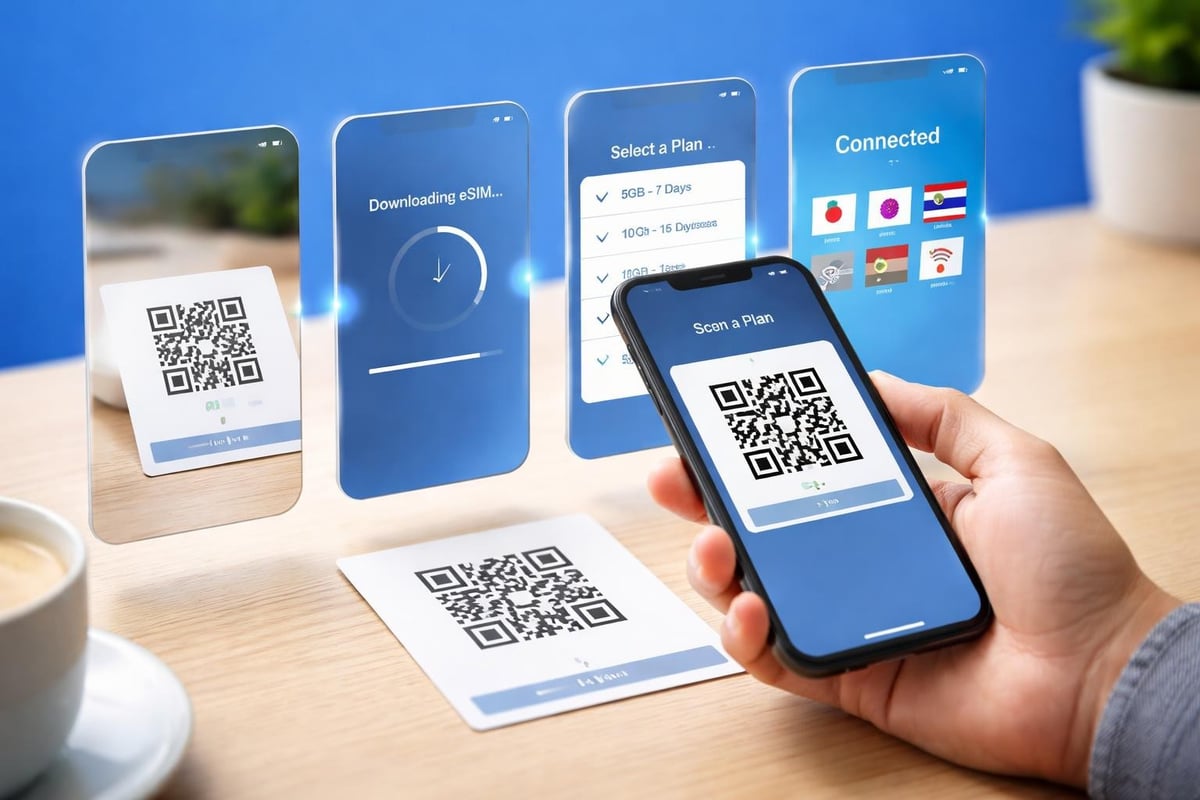
Top Asian Destinations Where eSIM Makes Sense
Let's talk about where eSIM technology truly shines in Asia. Some destinations benefit more than others from digital connectivity solutions, depending on infrastructure, tourism patterns, and local mobile market conditions.
Japan: The Tech-Forward Leader
Japan represents one of the most eSIM-friendly countries in Asia. With exceptional 5G coverage in major cities and a tourism industry that welcomes over 30 million visitors yearly, eSIM options for Japan have become incredibly sophisticated. The country's mobile networks offer blazing speeds, and eSIM providers typically offer competitive pricing due to strong local partnerships.
Physical SIM cards in Japan often require registration with Japanese addresses, making them impractical for short visits. eSIM bypasses this entirely, giving you instant connectivity the moment you land at Narita or Kansai airports.
Thailand: The Digital Nomad Paradise
Thailand's combination of affordable living costs, stunning beaches, and growing coworking infrastructure makes it a magnet for remote workers. eSIM coverage in Thailand has improved dramatically, with providers offering plans ranging from short tourist visits to extended stays.
The beauty of eSIM here? You can easily switch between providers if you find better rates or coverage in different regions. Northern Thailand around Chiang Mai might work brilliantly with one provider, whilst southern islands perform better with another.
Singapore: The Connected City-State
Singapore's small geographical size but massive economic importance creates perfect conditions for eSIM adoption. The city-state offers some of Asia's fastest mobile speeds, and competition between providers keeps prices reasonable. For business travellers attending conferences or meetings, having instant connectivity without airport queues is invaluable.
Comparing eSIM Asia Providers: What Really Matters
Not all esim asia services are created equal. The market has exploded with options, which is brilliant for consumers but can make decision-making overwhelming. Here's what actually matters when choosing a provider.
| Feature | Why It Matters | What to Look For |
|---|---|---|
| Coverage breadth | Asia has 48 countries with varying infrastructure | Multi-country plans vs single-country options |
| Data allowances | Video calls and map navigation consume significant data | Flexible plans from 1GB to unlimited options |
| Validity periods | Trip lengths vary dramatically | Options from 7 days to 30+ days |
| Network partners | Determines actual connection quality | Tier-1 carrier partnerships in each country |
| Activation speed | Need connectivity immediately upon arrival | Instant QR code delivery vs delayed activation |
| Customer support | Issues happen, especially across time zones | 24/7 support vs business hours only |
The eSIM market in Asia-Pacific continues growing rapidly, with providers competing fiercely on these factors. Industry experts predict sustained growth as smartphone replacement cycles bring more eSIM-compatible devices into circulation.
Price Versus Value: Finding the Sweet Spot
Cheapest isn't always best. I've learned this the hard way after choosing a bargain eSIM for a trip to Vietnam, only to find coverage that barely worked outside Ho Chi Minh City's District 1. You're often better paying slightly more for reliable connectivity than saving a few pounds and dealing with constant frustration.
Consider your usage patterns:
- Light users (checking emails, messaging): 1-3GB might suffice for a week
- Moderate users (social media, occasional video calls): 5-10GB provides breathing room
- Heavy users (video streaming, constant hotspot usage): 20GB+ or unlimited plans make sense
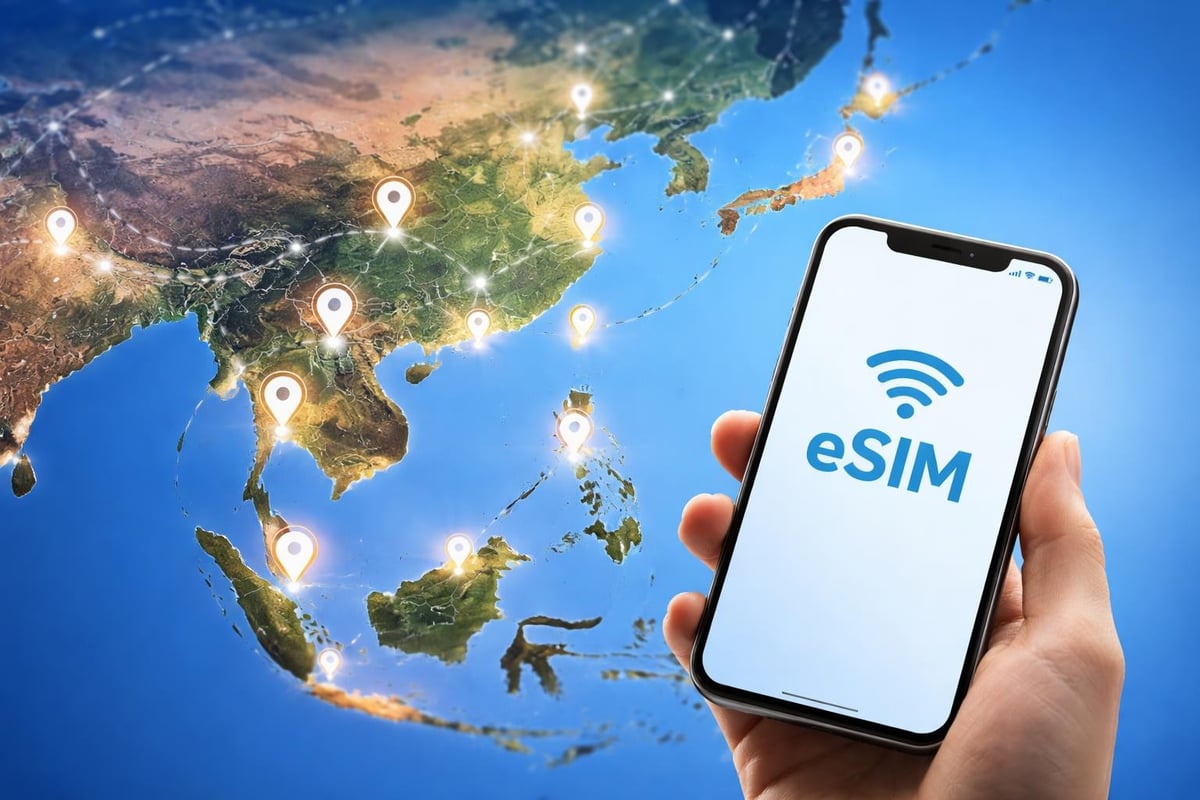
Setting Up Your eSIM for Asian Adventures
The technical side of eSIM activation intimidates some people, but it's genuinely straightforward once you understand the process. Most modern smartphones support eSIM technology, though it's worth checking your specific device before purchasing a plan.
Device Compatibility Essentials
Before purchasing any esim asia plan, verify your device supports eSIM functionality. The compatible devices list has expanded significantly since eSIM technology launched. Most iPhones from the XS onwards support it, as do recent Samsung Galaxy models, Google Pixels, and various other Android flagships.
Here's the compatibility checklist:
- iPhone XS, XR, and all newer models
- Samsung Galaxy S20 and newer flagship models
- Google Pixel 3 and newer models
- Recent iPad Pro and iPad Air models
- Apple Watch Series 3 and newer (cellular models)
Some phones sold in certain Asian markets might have eSIM functionality disabled, so double-check with your device manufacturer if you purchased your phone in mainland China or other markets with restrictions.
Installation Step-by-Step
The actual installation process takes about five minutes once you've purchased your plan. Most providers, including services offering comprehensive installation guidance, follow a similar pattern:
- Purchase your plan and receive a QR code via email
- Navigate to Settings on your device
- Select 'Cellular' or 'Mobile Data' depending on your device
- Choose 'Add Cellular Plan' or 'Add eSIM'
- Scan the QR code provided by your eSIM provider
- Label your plan (e.g., "Asia Travel Data")
- Select which line to use for data, calls, and messaging
The whole process happens digitally, which means you can set everything up whilst still at home, test the connection, and arrive in Asia ready to switch on your data immediately.
Regional Variations: Southeast Asia vs East Asia vs South Asia
Understanding regional differences helps you choose the most appropriate eSIM solution. The esim asia landscape varies considerably depending on which sub-region you're exploring.
Southeast Asia: The Budget Traveller's Dream
Countries like Thailand, Vietnam, Indonesia, Malaysia, and the Philippines offer some of Asia's most affordable eSIM plans. Network coverage in major cities and tourist areas is generally excellent, though rural areas can be spotty.
Multi-country Southeast Asian plans work brilliantly for island-hoppers and backpackers moving between countries frequently. Rather than purchasing separate plans for Indonesia, Singapore, Malaysia, and Vietnam, regional plans offer better value.
East Asia: Premium Connectivity at Premium Prices
Japan, South Korea, Taiwan, and Hong Kong represent the premium tier of Asian connectivity. Networks here often deliver genuine 5G speeds that rival or exceed European and North American standards. The industry collaboration in the region continues pushing innovation forward.
Prices run higher than Southeast Asia, but you're paying for reliability and speed. For business travellers who need video conferencing capabilities or content creators uploading large files, the investment makes sense.
South Asia: Emerging eSIM Territory
Countries like India, Sri Lanka, and Bangladesh are gradually embracing eSIM technology, though adoption lags behind other Asian regions. India's massive market and regulatory environment create unique challenges, whilst Sri Lanka offers straightforward eSIM options for tourists.
Practical Tips for Maximizing Your eSIM Asia Experience
Theory meets practice on the ground, and I've gathered quite a few lessons from both successful connections and frustrating failures. These practical tips should help you avoid common pitfalls.
Data Management Strategies
Asian countries offer varying degrees of network speed and reliability. Here's how to make your data allowance stretch further:
- Download offline maps for Google Maps or Maps.me before arriving
- Use WiFi for large downloads at hotels and cafes
- Disable automatic app updates whilst travelling
- Compress images before sharing on social media
- Stream video at lower quality settings when using mobile data
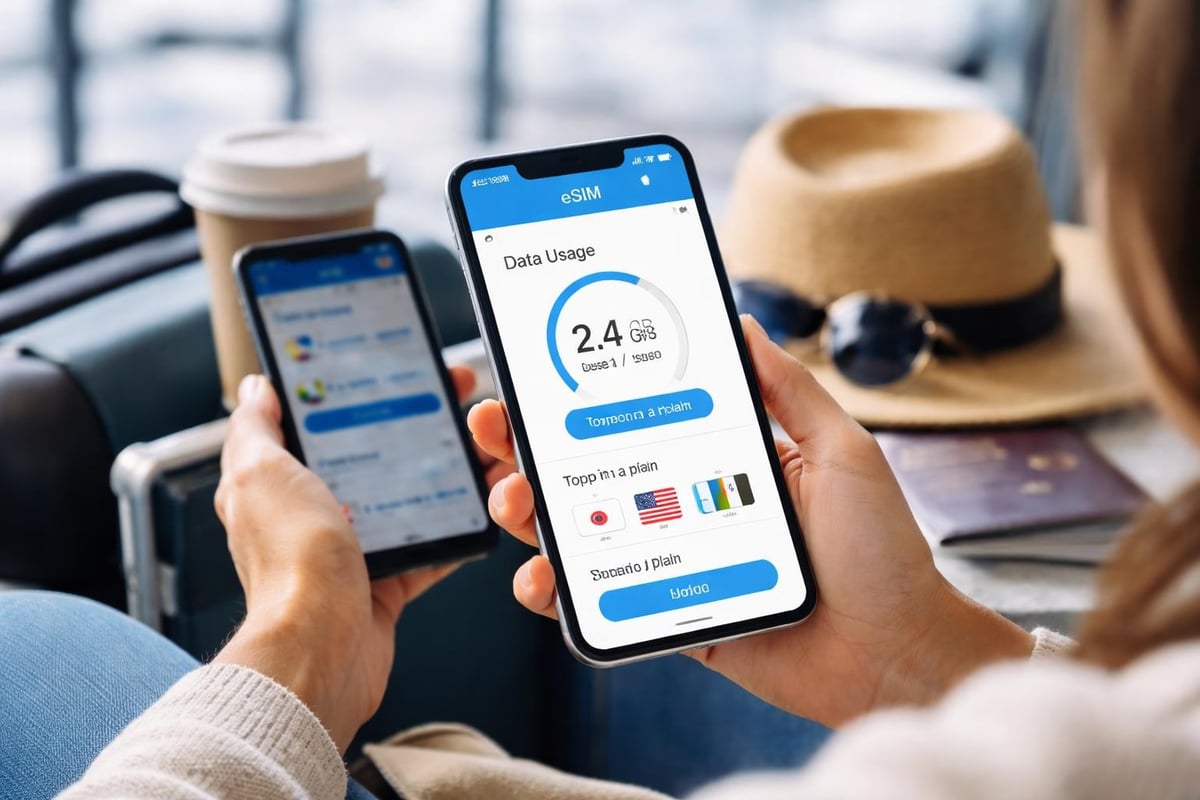
Most eSIM providers let you monitor data usage through their apps, giving you real-time insights into consumption patterns. Set up alerts at 50%, 75%, and 90% usage to avoid unexpected service interruptions.
Multi-Device Considerations
If you're travelling with multiple devices-perhaps a phone and tablet, or you're a couple sharing connectivity needs-consider your options carefully. Some eSIM plans allow hotspot functionality, letting you share your connection with other devices. This feature particularly matters for digital nomads requiring multiple device connectivity.
| Scenario | Best eSIM Strategy |
|---|---|
| Solo traveler, one phone | Single device plan with adequate data |
| Solo traveler with laptop | Plan with hotspot capability |
| Couple traveling together | Either shared hotspot or two separate plans |
| Family of four | Parent's phone with hotspot or multiple budget plans |
When eSIM Might Not Be Your Best Option
Let's be honest-eSIM isn't perfect for every situation. Understanding its limitations helps you make informed decisions rather than discovering problems mid-trip.
The Physical SIM Advantages
Sometimes old-school physical SIM cards still make more sense:
- Extended stays beyond 90 days often work out cheaper with local physical SIMs
- Voice calls are frequently more affordable on local physical SIMs
- Older devices that don't support eSIM technology
- Countries with limited eSIM infrastructure or regulatory barriers
If you're planning a six-month stay in Bali or Bangkok, getting a local physical SIM with unlimited data might cost less than repeatedly purchasing eSIM top-ups. The break-even point typically falls somewhere around the two to three month mark, depending on your data consumption.
Coverage Gaps to Consider
Not every corner of Asia offers reliable eSIM coverage. Remote regions in countries like Laos, Myanmar, or rural Philippines might have limited partnerships with eSIM providers. Before heading off the beaten path, research specific coverage maps for your destination.
The Future of eSIM Technology in Asia
The esim asia market isn't static-it's evolving rapidly as technology improves and adoption increases. Understanding where things are heading helps you make forward-thinking decisions about connectivity solutions.
Industry analysts suggest eSIM adoption could reach major milestones in 2026, with the Asia-Pacific region playing a crucial role in this growth. The proliferation of IoT devices, connected vehicles, and smart city infrastructure will drive demand beyond just smartphones.
What's Coming Next
Several trends are shaping the future landscape:
- Improved pricing competition as more providers enter the market
- Longer validity periods catering to digital nomads and slow travelers
- Better rural coverage as infrastructure investment continues
- 5G expansion across more Asian countries and regions
- Simplified switching between providers and plans
The technology underlying esim asia services continues advancing, with AI-driven network selection helping devices automatically choose the strongest available signal. This means you might connect to different local carriers in different cities within the same country, always getting optimal performance.
Security and Privacy Considerations
Traveling with constant connectivity brings security responsibilities. eSIMs offer certain advantages over public WiFi, but understanding the security landscape helps protect your data.
Staying Safe with eSIM Connectivity
Your eSIM connection generally provides better security than cafe WiFi, but that doesn't mean you're completely protected:
- Use VPN services for sensitive transactions and communications
- Enable two-factor authentication on important accounts before traveling
- Avoid accessing banking on public networks, even with eSIM
- Keep your device locked with strong passwords or biometrics
- Monitor account activity for unusual access patterns
The encrypted nature of modern cellular connections offers baseline protection, but layering additional security measures makes sense when traveling in unfamiliar environments.
Making the Switch: Your First eSIM Asia Purchase
Ready to take the plunge? Here's how to approach your first esim asia purchase strategically, avoiding common newcomer mistakes whilst maximizing value.
Research Before You Buy
Don't wait until the airport to sort your connectivity. Start researching at least a week before departure:
- Compare at least three providers for your specific destinations
- Read recent reviews from travelers who've visited similar routes
- Check coverage maps for all cities and regions you'll visit
- Verify device compatibility before purchasing any plan
- Understand the refund policy in case you need to cancel
The comparison between major providers reveals significant differences in pricing, coverage, and customer service quality. What works brilliantly for European travel might not suit Asian connectivity needs.
Testing Your Setup
Once you've purchased and installed your eSIM profile, test it before your trip if possible. Some providers activate immediately upon installation, whilst others only activate when you arrive in your destination country. Understanding which type you've purchased prevents arrival-day surprises.
If your plan activates immediately, you can verify the installation worked correctly whilst still having backup connectivity options. If it's destination-activated, at least confirm the profile installed properly in your device settings.
Staying connected across Asia's diverse landscape no longer requires juggling multiple SIM cards or accepting extortionate roaming charges. The esim asia market offers flexible, affordable solutions that adapt to your travel style, whether you're island-hopping for two weeks or settling into a digital nomad base for months. Ready to experience seamless connectivity across 200+ countries without the hassle of physical SIM cards? gosimless.app provides instant eSIM activation with affordable data plans, secure payments, and multi-device support that keeps you connected from touchdown to takeoff.
gosimless Team
The gosimless editorial desk — testing eSIMs, carriers and travel connectivity so you don't have to. Updated continuously from the road.