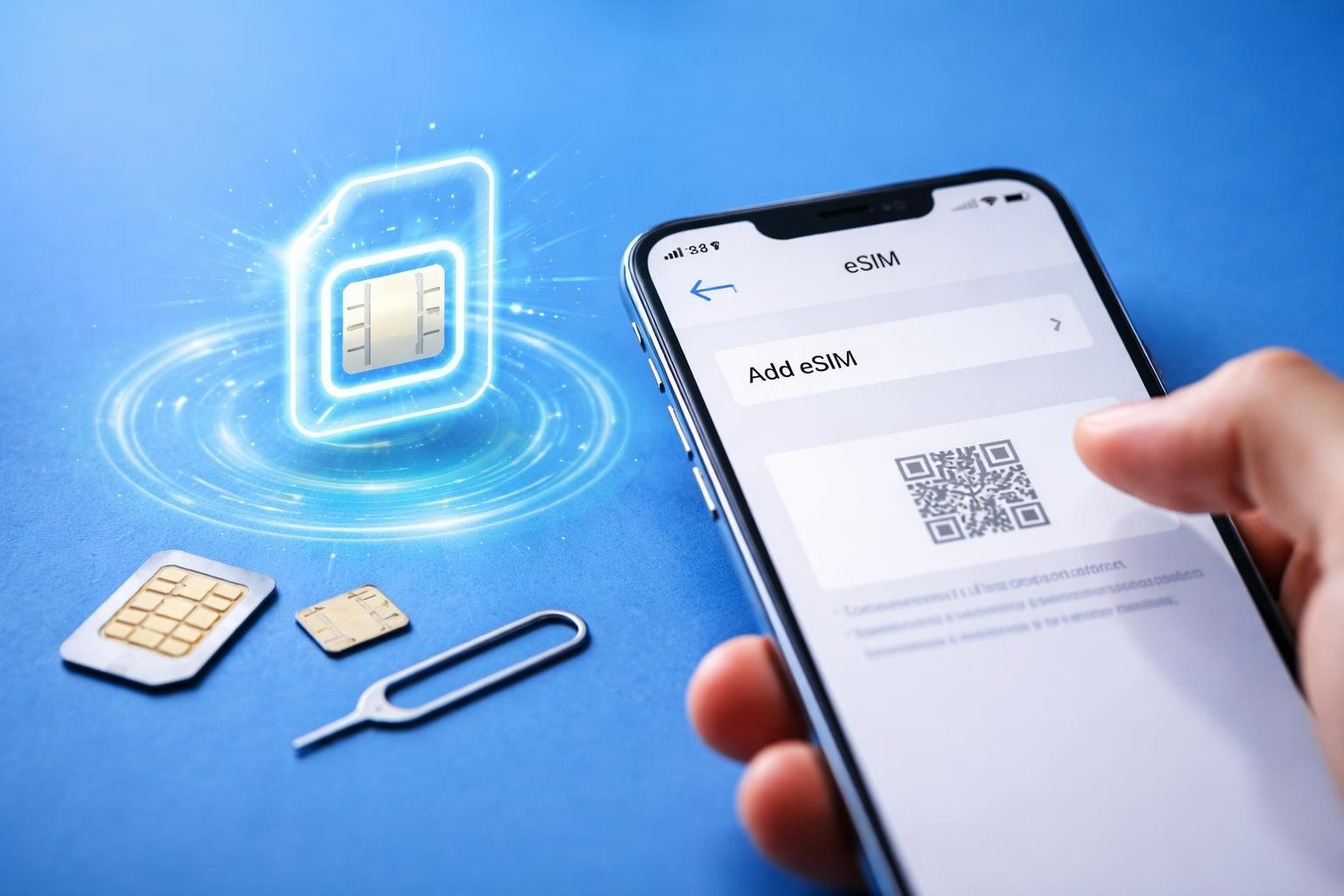
The electronic sim card has fundamentally transformed how we connect to mobile networks, eliminating the need for those tiny plastic chips we've fumbled with for decades. Unlike traditional SIM cards that require physical insertion and removal, an electronic sim card is embedded directly into your device's hardware, allowing you to activate mobile plans digitally within minutes. This technology isn't just convenient-it's reshaping the entire telecommunications landscape, from how we travel internationally to how we manage multiple phone numbers on a single device.
What Makes an Electronic SIM Card Different
An electronic sim card, commonly known as an eSIM, represents a complete departure from conventional mobile technology. The fundamental difference lies in its physical form and activation method.
Traditional SIM cards are removable integrated circuits containing your subscriber information and network credentials. You purchase them from a carrier, physically insert them into your phone, and they remain there until you switch providers or devices. The electronic sim card eliminates this entire process.
The Technical Foundation
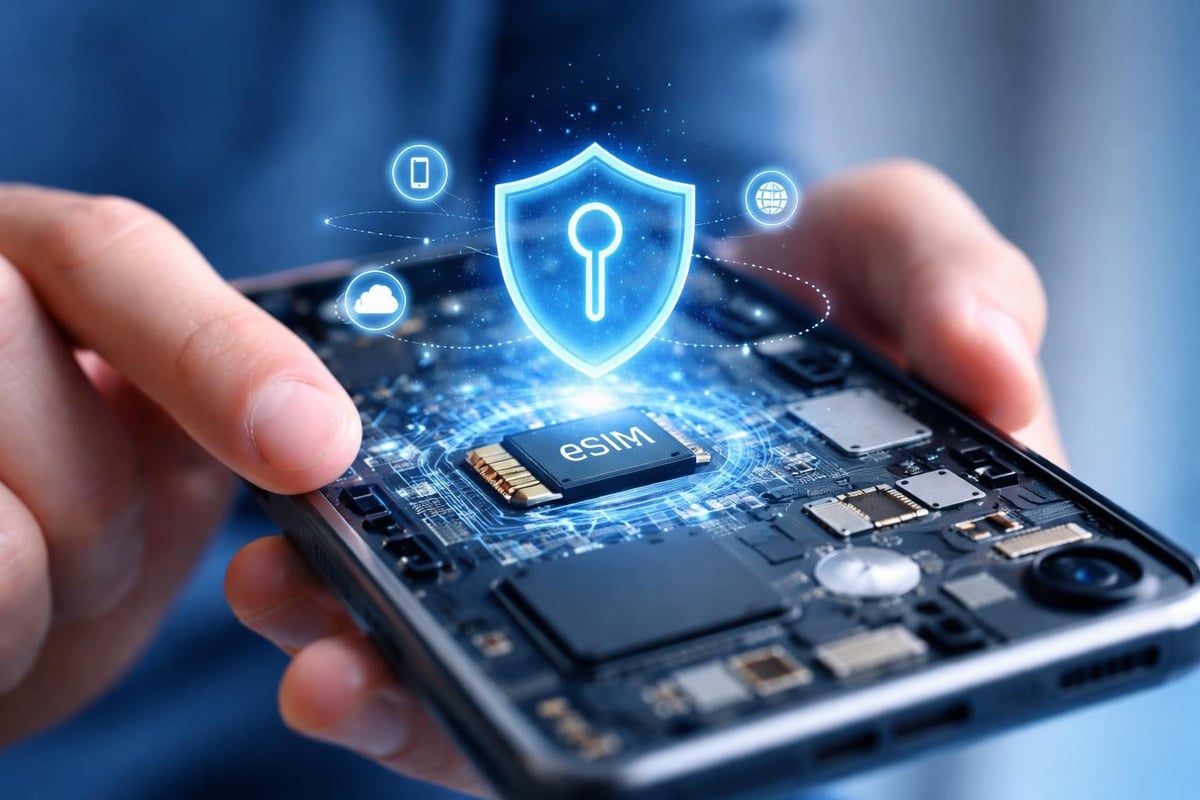
Built directly into your device's motherboard, the electronic sim card uses a programmable chip that can store multiple carrier profiles simultaneously. This embedded universal integrated circuit card (eUICC) communicates with mobile networks just like traditional SIMs, but with greater flexibility.
The ICCID number remains crucial for both traditional and electronic SIM cards, serving as the unique identifier that connects your device to your mobile subscription. However, with eSIM technology, this identifier is digitally programmed rather than laser-etched onto plastic.
Key technical specifications include:
- Chip dimensions: 6mm × 5mm (compared to nano-SIM's 12.3mm × 8.8mm)
- Storage capacity: Multiple operator profiles (typically 5-10)
- Programming method: Remote SIM provisioning (RSP)
- Security: Enhanced encryption and authentication protocols
How Electronic SIM Card Activation Works
Gone are the days of visiting carrier shops or waiting for SIM cards in the post. The electronic sim card activation process happens entirely through software, making it remarkably straightforward.
The Step-by-Step Process
- Check device compatibility – Verify your smartphone or tablet supports eSIM technology
- Select your carrier plan – Choose a mobile data package from your preferred provider
- Receive your QR code – Get a unique activation code via email or app
- Scan and install – Use your device camera to scan the QR code
- Activate instantly – Your eSIM profile downloads and connects within seconds
The entire journey from purchase to connectivity typically takes under five minutes. Many travellers now activate international plans whilst sitting at airport gates, instantly accessing local networks upon landing. For comprehensive guidance on this process, the installation guide walks through device-specific activation steps.
| Activation Method | Traditional SIM | Electronic SIM Card |
|---|---|---|
| Time Required | 30-60 minutes | 2-5 minutes |
| Physical Store Visit | Usually required | Never required |
| Shipping Wait | 3-7 days | Instant digital delivery |
| Device Restart | Often necessary | Rarely needed |
| International Activation | Complex | Seamless |
The Security Advantages of Electronic SIM Cards
Security concerns often arise when discussing any digital technology, but the electronic sim card actually offers enhanced protection compared to traditional alternatives. Security considerations for SIM cards have evolved significantly with eSIM implementation.
Primary security benefits include:
- Theft prevention – Cannot be physically removed from stolen devices
- SIM swap protection – More difficult for criminals to transfer your number
- Encrypted profiles – Advanced cryptographic authentication
- Remote management – Ability to deactivate compromised profiles instantly
That said, the technology isn't immune to all threats. SIM swapping attacks, where fraudsters convince carriers to transfer your number to their device, remain possible with both traditional and electronic SIM cards. The key difference is that eSIM activation typically requires additional authentication steps, creating more barriers for attackers.
Best Practices for eSIM Security
Protecting your electronic sim card requires proactive measures. Enable two-factor authentication on all carrier accounts, use strong unique passwords, and regularly monitor your account for unauthorised changes. If travelling internationally, verify the legitimacy of eSIM providers before scanning QR codes-genuine providers offer transparent security credentials and secure payment systems.
Benefits That Matter for Travellers and Businesses
The electronic sim card delivers tangible advantages that extend far beyond mere convenience. For frequent travellers, the technology solves one of mobile connectivity's most persistent frustrations: roaming charges.
Imagine landing in Tokyo, Barcelona, or Sydney and instantly activating a local data plan without searching for carrier shops or negotiating language barriers. Europe eSIM plans, for instance, provide immediate connectivity across multiple countries with transparent, upfront pricing-no bill shock when you return home.
Dual SIM Capabilities Reimagined
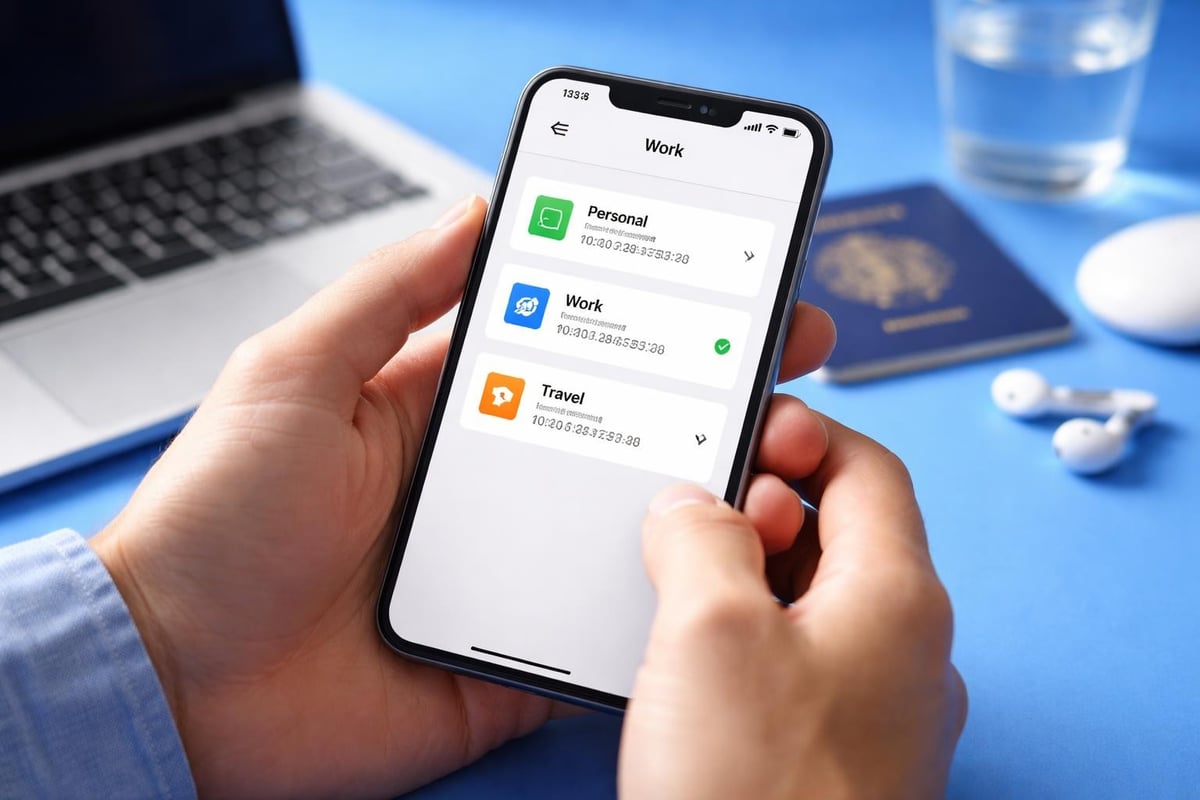
Modern smartphones with electronic sim card support can maintain both a physical SIM and eSIM simultaneously, or even multiple eSIM profiles. This functionality transforms how we manage personal and business communications.
- Keep your primary number active whilst using local data plans abroad
- Separate work and personal lines on a single device
- Switch between carriers without swapping physical cards
- Maintain multiple regional numbers for international business
Business travellers particularly benefit from this flexibility. A sales director might maintain their UK business number on a physical SIM whilst activating temporary eSIMs for data in each country they visit, avoiding expensive roaming fees whilst remaining accessible on their primary line.
Environmental and Practical Considerations
The shift toward electronic sim card technology carries environmental implications worth examining. Traditional SIM card production involves plastic manufacturing, packaging materials, and global distribution networks-all contributing to carbon emissions and waste.
An electronic sim card eliminates these physical components entirely. No plastic cards to manufacture, no packaging to dispose of, no shipping logistics required. Whilst the environmental savings per individual user might seem modest, the cumulative impact across billions of mobile subscribers is substantial.
The Sustainability Equation
Consider the manufacturing lifecycle: traditional SIM cards use PVC plastic, require metal contacts, need protective packaging, and often get replaced multiple times throughout a phone's lifespan. Each replacement generates waste. The electronic sim card, programmed once into your device, lasts its entire operational life without creating additional physical waste.
However, the transition hasn't been universally welcomed. Critics argue that removing physical SIM slots gives manufacturers greater control over carrier relationships and potentially limits consumer choice in certain markets.
Device Compatibility and Industry Adoption
Not every phone supports electronic sim card technology yet, though adoption has accelerated dramatically since 2026. Understanding which devices work with eSIM helps you make informed purchasing decisions.
Currently compatible device categories:
- Flagship smartphones – iPhone XS and newer, Google Pixel 3 and newer, Samsung Galaxy S20 and newer
- Tablets – iPad Pro (2018+), iPad Air (2019+), iPad Mini (2019+), Microsoft Surface Pro X
- Smartwatches – Apple Watch Series 3+, Samsung Galaxy Watch models, select Huawei watches
- Laptops – Microsoft Surface devices, select Lenovo ThinkPad models
Before purchasing an eSIM plan, verify your specific device model supports the technology. The compatible devices database provides comprehensive compatibility information across manufacturers and models.
Regional Variations
Geographic availability varies significantly. North America, Europe, and parts of Asia have embraced electronic sim card technology rapidly, whilst some regions lag in carrier support. Even if your device supports eSIM, your local carrier must offer eSIM activation services.
| Region | eSIM Carrier Support | Consumer Adoption |
|---|---|---|
| North America | 95%+ major carriers | High |
| Western Europe | 90%+ major carriers | High |
| Asia-Pacific | 75% major carriers | Medium-High |
| Middle East | 60% carriers | Medium |
| Africa | 40% carriers | Growing |
| Latin America | 50% carriers | Growing |
Managing Multiple Electronic SIM Card Profiles
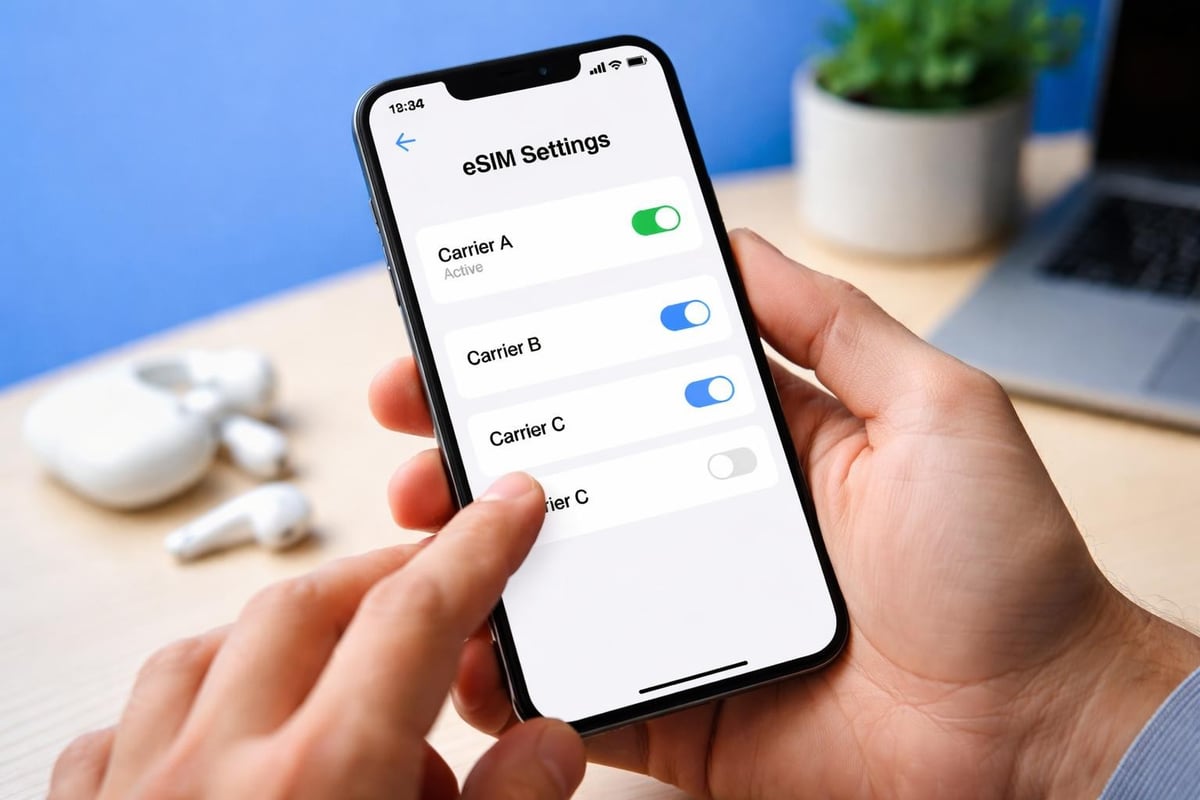
One of the electronic sim card's most powerful features is profile management-the ability to store and switch between multiple carrier plans without physical swaps.
Your device can typically store between five and ten eSIM profiles simultaneously, though only one or two can be active concurrently (depending on your phone model). This capability transforms how you approach mobile connectivity.
Practical Scenarios
A travel photographer might maintain profiles for their home country, frequently visited destinations, and a global roaming option. Switching between them takes seconds through the settings menu.
Similarly, expatriates can keep connections to both their home and host countries active. Someone living in Singapore but frequently visiting family in Australia can seamlessly alternate between local plans without losing either number or service.
Profile management best practices:
- Label each profile clearly (e.g., "UK Business", "Spain Holiday", "Global Data")
- Delete expired or unused profiles to maintain organisation
- Set default profiles for calls, messages, and data separately
- Review active profiles monthly to avoid accidental charges
The frequently asked questions address common profile management queries, from transferring profiles between devices to troubleshooting activation issues.
Cost Comparison: Electronic SIM Card vs Traditional Options
Does the electronic sim card actually save money, or is it merely more convenient? The answer depends heavily on your usage patterns and travel habits.
For domestic users who rarely travel internationally, cost differences are minimal. Most carriers offer identical pricing for eSIM and physical SIM plans. The financial advantage emerges when you travel.
The International Travel Calculation
Traditional approach: Activate international roaming with your home carrier, typically costing £5-15 per day in many countries. A two-week holiday incurs £70-210 in roaming fees.
Electronic sim card approach: Purchase a destination-specific or regional eSIM plan. A 14-day data plan with 10GB typically costs £15-35, representing 75-85% savings compared to roaming.
Sample cost breakdown (14-day trip):
| Service | Traditional SIM Roaming | Electronic SIM Card | Savings |
|---|---|---|---|
| Data (10GB) | £140 | £25 | £115 (82%) |
| Local calls | Included in roaming | £5 add-on | Variable |
| SMS | £0.50-1 per message | Data-based messaging | £10-20 |
| Total | £150-180 | £30-35 | £120-145 |
Business travellers visiting multiple countries annually can save hundreds or thousands of pounds through strategic electronic sim card usage.
Common Challenges and Solutions
Despite its advantages, electronic sim card technology isn't without complications. Understanding potential issues helps you navigate them effectively.
Activation Failures
Occasionally, eSIM activation doesn't complete successfully. Common causes include poor internet connectivity during download, incorrect QR code scanning, or carrier-side provisioning errors.
Troubleshooting steps:
- Ensure stable Wi-Fi connection before scanning activation codes
- Verify the QR code is intended for your specific device model
- Restart your device and attempt activation again
- Contact your eSIM provider if issues persist beyond 30 minutes
Carrier Lock-In Concerns
Some critics worry that electronic sim card technology gives device manufacturers and carriers excessive control over user choices. This debate highlights tensions between technological convenience and consumer autonomy.
The reality is more nuanced. Whilst some carriers initially restricted eSIM functionality, competitive pressure has largely eliminated these limitations. Most major providers now support eSIM activation without contracts or lengthy commitments.
The Future of Electronic SIM Card Technology
Where does eSIM technology head from here? Industry trends suggest several developments on the horizon.
Emerging innovations include:
- iSIM (integrated SIM) – Moving beyond embedded chips to SIM functionality built directly into the device processor
- Multi-IMEI support – Enhanced capabilities for managing numerous profiles simultaneously
- Blockchain-based authentication – Exploring distributed ledger technology for profile verification
- IoT integration – Expanding eSIM use in connected vehicles, smart home devices, and industrial equipment
The Internet of Things particularly stands to benefit from electronic sim card technology. Imagine manufacturing equipment, agricultural sensors, or fleet vehicles that self-activate connectivity as needed, without requiring technicians to physically install SIM cards.
Regulatory Developments
Governments and telecommunications regulators worldwide are establishing frameworks for eSIM technology. The European Union has mandated eSIM support in new devices to promote competition and consumer choice. Similar regulations may emerge in other jurisdictions, accelerating adoption.
As SIM card technology continues evolving, the electronic sim card represents a transitional phase toward fully software-defined mobile connectivity. Future devices might eliminate even the embedded chip, handling all authentication and network access through secure software protocols alone.
Making the Switch: Is Electronic SIM Card Right for You?
Determining whether to embrace electronic sim card technology depends on your specific circumstances and connectivity needs.
Consider eSIM if you:
- Travel internationally more than twice yearly
- Want to maintain multiple phone numbers on one device
- Value instant activation without visiting carrier shops
- Prefer managing services digitally rather than physically
- Own recent smartphones or tablets with eSIM support
Stick with traditional SIM if you:
- Own older devices without eSIM capability
- Rarely travel outside your home country
- Prefer physical control over your mobile service
- Live in regions with limited eSIM carrier support
For most users in 2026, the electronic sim card offers compelling advantages that outweigh any drawbacks. The technology has matured beyond early adoption phase quirks, with robust support from carriers, device manufacturers, and service providers worldwide.
Understanding the basics of eSIM functionality helps clarify whether this technology aligns with your mobile connectivity requirements.
The electronic sim card represents a fundamental shift in mobile connectivity, offering unprecedented flexibility, security, and convenience for modern users. Whether you're a frequent traveller seeking affordable international data, a business professional managing multiple lines, or simply someone who values instant digital activation, eSIM technology delivers tangible benefits that traditional SIM cards cannot match. For seamless connectivity across 200+ countries without roaming fees or physical cards, gosimless.app provides instant eSIM activation with transparent pricing and multi-device support-bringing the full potential of electronic SIM card technology to your fingertips.
gosimless Team
The gosimless editorial desk — testing eSIMs, carriers and travel connectivity so you don't have to. Updated continuously from the road.