Choosing the right connectivity solution has never been more critical. With our lives increasingly dependent on constant internet access, understanding data plans becomes essential for making informed decisions about how we stay connected. Whether you're streaming your favourite shows, working remotely, or travelling internationally, the data plan you select directly impacts your experience, costs, and overall satisfaction. In 2026, the landscape of mobile connectivity continues to evolve, offering more choices than ever before whilst also presenting new challenges for consumers trying to navigate an increasingly complex marketplace.
What Are Data Plans and Why Do They Matter
A data plan represents your agreement with a service provider that determines how much internet access you receive on your mobile device and at what cost. Think of it as your digital lifeline-the invisible thread connecting you to emails, social media, navigation apps, and everything else requiring internet connectivity.
The significance of selecting appropriate data plans extends beyond simple convenience. Your choice affects your monthly budget, connection reliability, and freedom to use your devices without constant worry about overage charges or throttled speeds.
In practical terms, these plans function through allowances measured in gigabytes (GB), with providers tracking your usage throughout a billing cycle. Some offer unlimited options, whilst others provide fixed amounts that reset monthly.
The Evolution of Mobile Connectivity
Mobile data consumption patterns have transformed dramatically. Cellular data usage continues surging, driven by high-definition video streaming, cloud-based applications, and remote work requirements that weren't mainstream just a few years ago.
This evolution means yesterday's data plans often fall short of today's needs. A plan offering 2GB monthly might have seemed generous in 2015, but now struggles to support a single day of typical smartphone use for many people.
Key factors driving increased data consumption include:
- Video streaming in 4K and HDR quality
- Cloud storage synchronisation across multiple devices
- Video conferencing for remote work and education
- Social media platforms increasingly focused on video content
- Gaming applications with substantial data requirements
- IoT devices requiring constant connectivity

Types of Data Plans Available
Understanding the different categories helps you match your needs with the right solution. The market offers various structures, each designed for specific usage patterns and preferences.
Prepaid vs Postpaid Options
| Feature | Prepaid Plans | Postpaid Plans |
|---|---|---|
| Payment timing | Pay before usage | Pay after usage |
| Credit check | Not required | Usually required |
| Contract commitment | No long-term obligation | Often 12-24 months |
| Flexibility | High-change anytime | Limited during contract |
| Cost predictability | Excellent | Can vary with overages |
| Premium features | Sometimes limited | Often included |
Prepaid data plans offer remarkable freedom. You purchase exactly what you need, when you need it, without binding contracts or surprise bills. This approach particularly suits travellers, students, or anyone preferring complete budget control.
Postpaid arrangements provide convenience through automatic billing and often include perks like device financing, family plan discounts, and priority customer support. However, they typically require credit checks and longer commitments.
Fixed Allowance Versus Unlimited Access
Fixed allowance plans provide specific data quantities-perhaps 10GB, 50GB, or 100GB monthly. Once exhausted, your speeds may throttle dramatically or stop entirely until the next billing cycle.
Advantages of fixed allowance plans:
- Lower monthly costs compared to unlimited options
- Encourages mindful data usage
- Predictable billing without hidden fees
- Suitable for users with consistent, moderate needs
Unlimited data plans promise freedom from usage anxiety. However, "unlimited" often includes caveats. Many carriers implement data management practices like deprioritisation during network congestion or throttling after reaching certain thresholds.
The reality? Truly unlimited, unthrottled data remains relatively rare and expensive. Most "unlimited" plans actually mean "very high cap with potential slowdowns."
Shared and Individual Plans
Shared family plans distribute a data pool across multiple lines. This works brilliantly when members have varying usage patterns-heavy users can borrow from light users' allocations.
Individual plans assign specific data amounts to each line. This prevents one person from consuming everyone's allowance but may cost more overall for families.
Choosing the Right Data Plan for Your Needs
Selecting appropriate data plans requires honest assessment of your actual usage patterns rather than guesswork or assumptions. Most people either overestimate or underestimate their needs, leading to wasted money or frustrating limitations.
Assessing Your Data Consumption
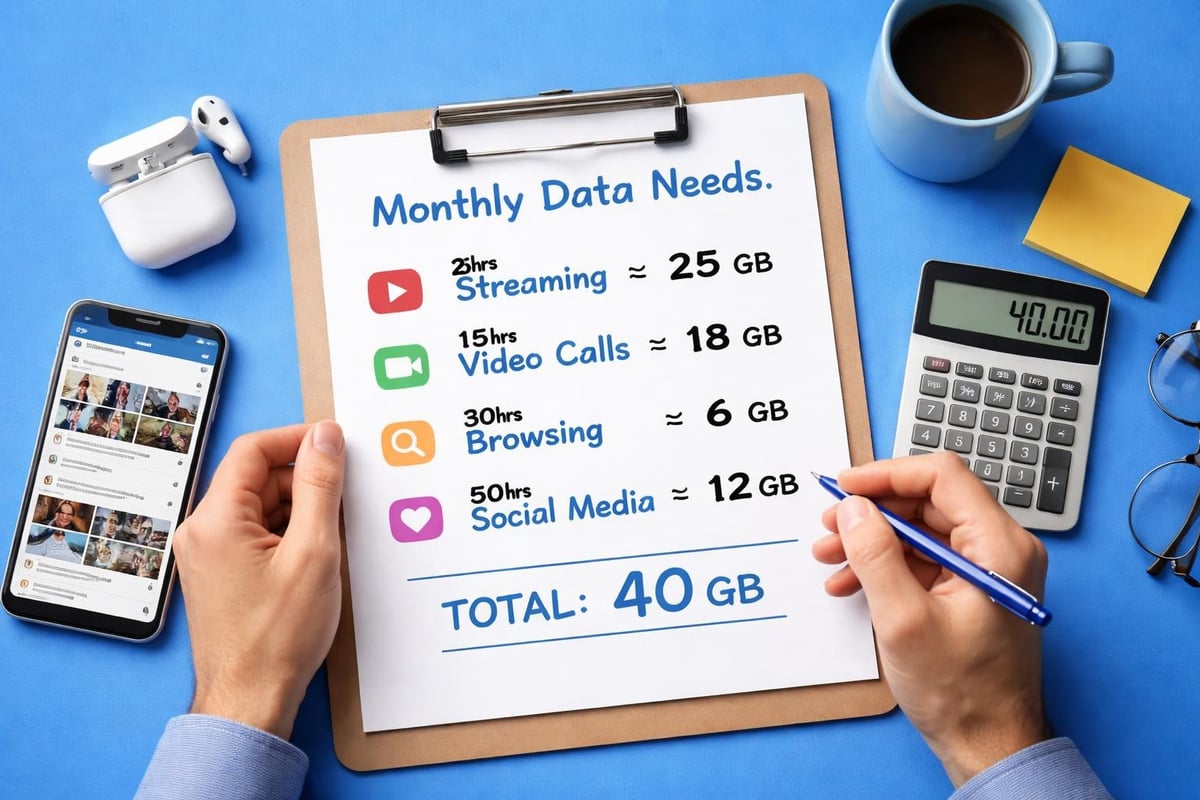
Start by examining your current usage. Most smartphones include built-in tools showing monthly data consumption broken down by application. Check your last three months to identify patterns.
Common data consumption estimates:
- Browsing social media: 100-200MB per hour
- Streaming music: 50-150MB per hour
- Standard definition video: 700MB per hour
- High definition video: 3GB per hour
- Video conferencing: 500MB-1.5GB per hour
- Email and messaging: 10-50MB per hour
Remember these are approximations. Actual usage varies based on quality settings, compression, and specific platforms.
International Travel Considerations
International connectivity presents unique challenges. Traditional roaming charges can devastate your budget, with some carriers charging £5-15 per day or astronomical per-megabyte rates.
Modern alternatives include eSIM technology, which eliminates physical SIM cards entirely. For travellers heading to multiple destinations across Europe, this technology offers instant activation and affordable data plans without juggling multiple physical cards or dealing with complicated roaming agreements.
The compatible devices supporting eSIM technology continue expanding, with most smartphones released since 2020 now including this capability.
Understanding Data Plan Pricing Structures
Pricing complexity often obscures true costs. Providers advertise headline rates that don't reflect the complete picture once fees, taxes, and restrictions enter the equation.
Breaking Down the True Cost
Advertised prices rarely match your final bill. Hidden elements inflate costs:
- Activation fees ranging from £15-50
- Monthly administrative charges adding £5-10
- Taxes and regulatory fees varying by location
- Device payment plans if financing a phone
- Insurance and protection plans often automatically included
Always calculate the total monthly cost including these additions. A £30 advertised plan might actually cost £45-50 monthly.
Value-Based Comparison Methods
Comparing major carriers requires looking beyond headline data amounts. Consider the complete package:
| Evaluation Factor | Why It Matters |
|---|---|
| Network coverage | Data is worthless without signal |
| Speed throttling policies | Affects actual usability |
| Hotspot capabilities | Extends device connectivity |
| International options | Critical for travellers |
| Customer service quality | Essential when problems arise |
| Contract flexibility | Determines your freedom to change |
The "best value" plan differs for everyone. A remote worker needs reliable speeds and generous allowances. A casual user might prioritise lowest cost over premium features.
Managing Your Data Usage Effectively
Even with generous data plans, smart management prevents waste and ensures consistent availability throughout your billing cycle.
Practical Conservation Strategies
Implement these tactics to maximise your allowance:
- Download content via WiFi before travelling rather than streaming on cellular
- Adjust video quality settings to standard definition when high definition isn't necessary
- Disable automatic app updates over cellular networks
- Turn off background app refresh for non-essential applications
- Use offline maps rather than constantly streaming navigation data
- Monitor usage weekly through your device settings
Many find they can comfortably use smaller, cheaper data plans through modest behaviour adjustments without sacrificing meaningful connectivity.
Tools and Apps for Monitoring
Modern smartphones include built-in monitoring, but third-party applications often provide superior insights. These tools can:
- Send alerts when approaching your limit
- Block specific apps from using cellular data
- Show historical trends identifying usage spikes
- Provide detailed breakdowns by application
- Set custom limits beyond your official plan cap
Understanding what constitutes a data plan helps you make informed decisions about monitoring and management approaches that suit your lifestyle.
Business and Institutional Data Plans
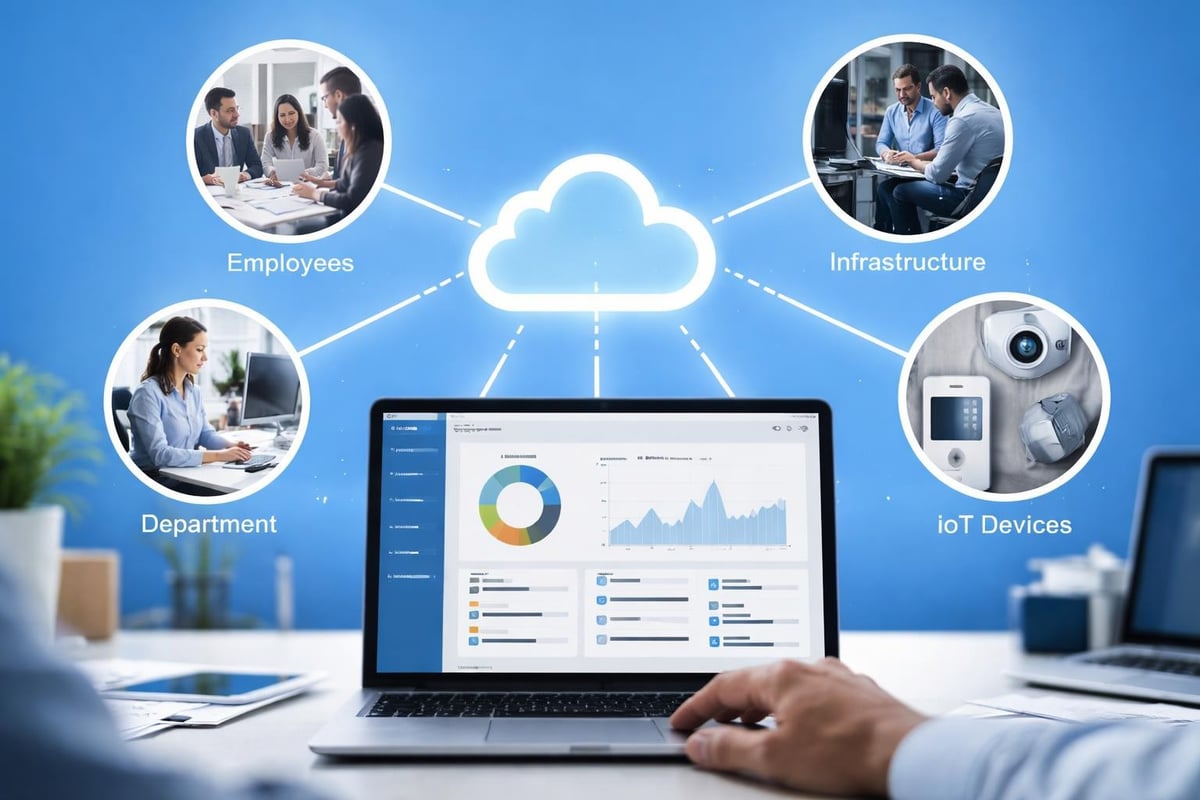
Organisations face different connectivity challenges than individual consumers. Their data plans must support multiple users, devices, and often complex infrastructure requirements.
Educational institutions like universities manage data services for entire communities, balancing budget constraints against growing bandwidth demands from students and staff.
Business-specific considerations include:
- Centralised billing and administration
- Security requirements and compliance needs
- Device management across distributed teams
- Scalability for growing organisations
- Support for IoT devices and specialised equipment
Corporate data plans often negotiate custom arrangements beyond standard consumer offerings, leveraging bulk purchasing power for better rates and tailored features.
The Technology Behind Data Plans
Understanding the infrastructure supporting your connectivity reveals why certain limitations exist and how future improvements might emerge.
Network Infrastructure and Capacity
Data centre trends directly impact mobile services. The physical infrastructure-towers, fibre connections, processing centres-determines how much data carriers can deliver simultaneously to users in specific areas.
During peak hours or special events, networks can become congested. This explains why carriers implement prioritisation policies, giving preference to certain plan types during busy periods.
Platform Management Systems
Service providers use sophisticated data plan management platforms to track usage, bill customers, and maintain service quality. These systems monitor every megabyte, applying complex rules about throttling, prioritisation, and billing.
For users, this means your data plan isn't simply a passive allowance. It's actively managed through real-time systems making constant decisions about your connection quality based on network conditions, your plan tier, and current usage levels.
Future Trends in Mobile Data Plans
The connectivity landscape continues evolving rapidly. Emerging technologies and changing consumer expectations are reshaping how data plans work and what they offer.
5G Impact on Plan Structures
Fifth-generation networks promise dramatically faster speeds and lower latency. However, they're also changing data plan economics. The infrastructure investment required means carriers are exploring new pricing models.
Some possibilities include:
- Speed-tiered plans charging more for faster connections regardless of data quantity
- Application-specific plans optimising certain services
- Network slicing creating virtual dedicated networks for specific purposes
- Time-based unlimited windows during off-peak hours
Emerging Alternatives and Technologies
eSIM adoption accelerates globally, fundamentally changing how we think about mobile connectivity. The ability to activate service digitally, switch providers instantly, and maintain multiple profiles on one device creates unprecedented flexibility.
This technology particularly benefits international travellers who can now activate local data plans without visiting physical shops or waiting for SIM cards to arrive by post. The installation process has become remarkably straightforward, taking mere minutes rather than requiring technical expertise.
Regional Differences in Data Plan Offerings
Geography significantly influences available options, pricing, and service quality. What works brilliantly in one market might not exist elsewhere.
Europe's Competitive Marketplace
European regulations promoting competition and consumer protection have created favourable conditions for affordable data plans. The elimination of roaming charges within the EU allows travellers to use their home plans across member countries.
Visitors from outside Europe, however, still face the traditional challenge of expensive roaming or need to secure local connectivity through country-specific eSIM solutions.
North American Market Dynamics
The North American market, particularly the United States, tends toward higher prices with more restrictive policies compared to Europe or Asia. Consolidation among major carriers has reduced competition, though smaller virtual network operators provide alternatives.
Canada faces unique challenges due to geographic size and population distribution, often resulting in premium pricing for equivalent data allowances compared to other developed markets.
Asia-Pacific Innovation
Many Asian markets lead in connectivity innovation, offering exceptionally generous data plans at low prices. Competition remains fierce, driving continuous improvements in value and features.
Countries like Singapore, South Korea, and Japan demonstrate what's possible when infrastructure investment and market competition align favourably for consumers.
Troubleshooting Common Data Plan Issues
Even well-chosen data plans occasionally present challenges. Knowing how to address common problems saves frustration and money.
Unexpected Overage Charges
These shock bills arrive for various reasons:
- Background app activity consuming data without your knowledge
- Automatic updates downloading large files over cellular
- Tethering or hotspot usage exceeding separate limits
- International roaming activating accidentally near borders
- Billing errors from provider systems
Contest erroneous charges promptly. Most carriers reverse legitimate mistakes when contacted quickly with supporting evidence from your device's usage tracking.
Speed Throttling and Deprioritisation
Experiencing slower speeds than expected? You might be facing throttling (deliberate speed reduction) or deprioritisation (lower priority during congestion).
Check your plan's fine print. Many "unlimited" arrangements include clauses allowing speed reductions after reaching specific thresholds, often 20-50GB monthly depending on the carrier and plan tier.
Navigating the complex world of data plans requires understanding your actual needs, comparing true costs beyond headline prices, and selecting solutions offering genuine flexibility for your lifestyle. Whether you're managing monthly budgets, planning international adventures, or supporting remote work requirements, the right connectivity approach makes all the difference. For travellers seeking hassle-free global coverage, gosimless.app delivers instant eSIM activation with affordable, flexible data plans across 200+ countries, eliminating roaming fees whilst providing secure, straightforward connectivity wherever your journey takes you.
gosimless Team
The gosimless editorial desk — testing eSIMs, carriers and travel connectivity so you don't have to. Updated continuously from the road.