
Looking for the cheapest eSIM Australia has to offer in 2026? You're not alone. As more Australians ditch physical SIM cards and embrace digital connectivity, the market's become flooded with options. But here's the thing: not all eSIM plans are created equal, and finding genuine value requires more than just looking at the headline price. Whether you're a local seeking better rates or a visitor wanting affordable Australian connectivity, understanding what makes an eSIM truly budget-friendly will save you both money and headaches.
Understanding eSIM Pricing in Australia
What actually determines the cost of an eSIM plan? It's more complex than you might think. Unlike traditional SIM cards where you're often locked into lengthy contracts with hidden fees, eSIM pricing tends to be more transparent. That said, the cheapest option upfront isn't always the best value when you factor in data allowances, validity periods, and network coverage.
The Australian eSIM market has matured significantly, with dozens of providers competing for your attention. Some offer dirt-cheap plans that look fantastic until you realise they're throttled after the first gigabyte. Others charge premium prices but deliver exceptional speeds and nationwide coverage on Telstra's network. The sweet spot? Finding providers that balance affordability with actual usability.

Key Factors That Affect eSIM Costs
When you're hunting for the cheapest eSIM Australia providers offer, consider these elements:
- Network infrastructure: Plans using Telstra's network typically cost more than those on Optus or Vodafone
- Data allowance: Per-gigabyte costs decrease as total data increases
- Validity period: Longer validity often means better value per day
- Speed throttling: Some budget plans cap speeds after certain thresholds
- Activation fees: Watch for hidden connection charges
According to comprehensive mobile plan comparisons, the Australian market has become increasingly competitive in 2026, pushing prices down across the board. This competition benefits you, the consumer, but it also means doing proper research before committing.
Top Budget eSIM Providers for Australia
Let's cut through the noise and look at who's actually delivering value. The cheapest eSIM Australia market includes both local carriers and international providers, each with distinct advantages.
Local Carrier Options
Australian telecommunications companies have finally embraced eSIM technology properly. Budget brands operating on major networks now offer eSIM activation, giving you the reliability of established infrastructure without premium pricing.
Providers using the Optus network often strike the best balance between cost and performance. You'll find plans starting from as low as $10 monthly for basic data needs, scaling up to unlimited options around $40. These plans typically include:
- No lock-in contracts
- Standard 4G speeds (with 5G on higher tiers)
- Nationwide coverage in populated areas
- Simple activation via QR code
- Multi-device support
For those seeking Australia eSIM options with instant activation, digital-first providers eliminate physical logistics entirely. You purchase, scan a QR code, and you're connected within minutes.
International eSIM Platforms
International providers have disrupted the Australian market spectacularly. Companies specialising in global connectivity offer Australian plans that frequently undercut local options, especially for short-term needs.
| Provider Type | Typical 5GB Plan | Validity | Best For |
|---|---|---|---|
| Local carrier | $15-25 | 30 days | Long-term use |
| International platform | $8-15 | 7-30 days | Visitors, short trips |
| MVNO | $12-20 | 30 days | Budget-conscious locals |
| Premium eSIM | $20-30 | 30 days | Business users |
These platforms aggregate capacity from multiple networks, passing savings to customers. The trade-off? Customer service might be email-only, and you're dealing with companies headquartered overseas. For many people, these compromises are worth the savings.
Comparing Data Allowances and Value
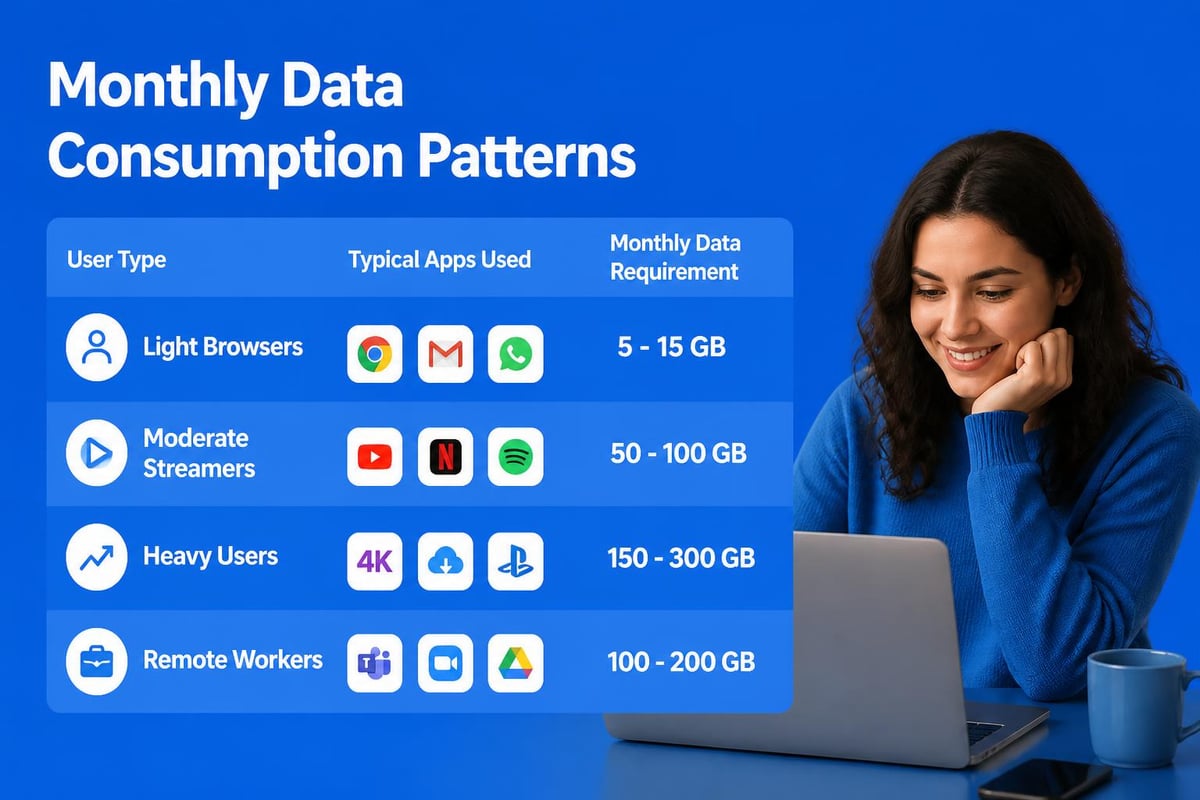
Here's where shopping for the cheapest eSIM Australia plans gets interesting. A $5 plan with 1GB isn't cheaper than a $15 plan with 10GB if you need substantial data. Let's do the mathematics properly.
Cost Per Gigabyte Analysis
Smart shoppers calculate cost per gigabyte rather than just looking at total price. A detailed comparison of eSIM plans across providers reveals significant variations in per-GB pricing.
Budget plans often work out like this:
- 1GB plans: $5-8 (highest per-GB cost)
- 5GB plans: $10-15 (moderate per-GB cost)
- 10GB plans: $15-25 (better per-GB value)
- 20GB+ plans: $25-40 (best per-GB value)
You'll notice that doubling your data allowance rarely doubles your cost. This economies-of-scale pricing rewards higher purchases, but only if you'll actually use the data. There's no point buying 20GB at fantastic per-GB rates if you only ever use 3GB monthly.
Validity Periods Matter
The cheapest eSIM Australia options often come with shorter validity periods. A $10 plan valid for 7 days might seem affordable until you realise you're spending $40 monthly for the same data a 30-day plan offers at $18.
Consider your actual usage pattern:
- Daily active users: Opt for monthly plans with better per-day value
- Occasional users: Pay-as-you-go might actually be cheaper
- Visitors: Match plan validity to your trip duration
- Backup connectivity: Longer validity preserves your investment
Some providers offer plans valid for 90 days or even a year. If you're a light user who just needs emergency connectivity, these extended-validity options deliver unbeatable value. You might pay $30 upfront, but that's $30 annually rather than monthly.
Network Coverage Considerations
What good is the cheapest eSIM Australia plan if it doesn't work where you need it? Network coverage separates genuinely useful budget plans from false economy.
The Three Main Networks
Australia's mobile infrastructure centres on three primary networks: Telstra, Optus, and Vodafone. Each has distinct coverage characteristics:
Telstra offers the most extensive coverage, particularly in regional and remote areas. Their network reaches 99.5% of the population. The trade-off? Plans using Telstra infrastructure cost 20-30% more than alternatives.
Optus provides excellent coverage in cities and major regional centres, reaching about 98.5% of Australians. For most people, Optus-based plans offer the sweet spot between coverage and cost.
Vodafone delivers solid urban coverage but can be patchy in rural areas. If you're staying in metropolitan Australia, Vodafone-based plans often represent the cheapest eSIM Australia options available.
According to SIM plan analysis for 2026, network quality has improved across all carriers, making budget options more viable than ever before.
Regional vs Urban Needs
Your location dramatically affects which budget plan makes sense. Sydney residents have dozens of excellent cheap options across all three networks. Someone in rural Queensland? Telstra-based plans might be non-negotiable despite higher costs.
Before committing to any plan, verify coverage in your specific areas. Most providers offer coverage maps, but these can be optimistic. Check independent reviews and forums for real-world experiences in your region.
Special Considerations for Visitors
Are you visiting Australia and need temporary connectivity? The cheapest eSIM Australia offers for tourists differs from options for residents. Your priorities shift when you're only here for weeks rather than months.
Tourist-Focused Plans
International eSIM providers specialise in visitor plans with features locals don't need:
- Immediate activation: Connect as soon as you land
- No Australian address required: Purchase before arriving
- Multiple country compatibility: Useful if visiting New Zealand too
- Short validity periods: 7, 14, or 21-day options
- Tourist-friendly data allowances: Balanced for navigation and social media
These plans typically cost $12-25 for 5-10GB over 1-2 weeks. That works out pricier than local monthly plans, but you're paying for flexibility and convenience.
A comprehensive guide to Australian eSIM options highlights how visitor plans often include features like free incoming calls or SMS, which budget local plans skip.
Activation Timing
Here's a pro tip many visitors miss: you can usually purchase and install eSIMs before travelling, then activate upon arrival. This means you're connected the moment you step off the plane, without hunting for airport WiFi or physical SIM vendors.
The eSIM activation process takes minutes when you're prepared. Download the eSIM profile while still at home, then simply enable it when you reach Australia. Your phone switches to the Australian network automatically.
Avoiding Hidden Costs
The advertised price isn't always what you'll actually pay. Smart shoppers hunting for the cheapest eSIM Australia plans watch for these sneaky extras:
Common Additional Charges
Activation fees: Some providers charge $2-5 to connect your eSIM initially. Others build this into the plan price. Always check the total cost before purchasing.
Top-up charges: Running out of data mid-period? Additional data often costs significantly more than your original per-GB rate. A plan that seems cheap might become expensive if you frequently need top-ups.
International roaming: Even Australian eSIMs might charge extra if you travel to New Zealand or elsewhere. If you need coverage beyond Australia, factor those costs into your comparison.
| Hidden Cost | Typical Amount | How to Avoid |
|---|---|---|
| Activation fee | $2-5 | Choose no-fee providers |
| Data top-up premium | 50-100% markup | Buy adequate initial allowance |
| Early termination | $0-20 | Use prepaid plans |
| SMS charges | $0.10-0.25 each | Choose SMS-inclusive plans |
Reading the Fine Print
Those terms and conditions aren't just legal waffle. Budget eSIM providers sometimes include restrictions that significantly impact usability:
- Speed throttling after certain data thresholds
- Limited hotspot/tethering capabilities
- Restricted access to certain content or services
- Automatic renewal that's difficult to cancel
- Customer service only available during specific hours
Resources like budget eSIM comparisons help identify which providers have problematic terms versus those offering genuinely transparent pricing.

Multi-Device and Family Considerations
Are you managing connectivity for multiple devices or family members? The cheapest eSIM Australia plan for one person might not scale efficiently.
Multi-Device Support
Modern eSIM platforms often support installation on multiple devices simultaneously. This feature matters if you're using an eSIM-capable tablet alongside your phone, or managing both a work and personal device.
Some providers charge per device, others per plan. The mathematics changes considerably:
Per-device pricing: $12 monthly × 3 devices = $36 total
Shared data pool: $25 monthly for 20GB shared across devices = $25 total
For families or heavy multi-device users, shared data pools deliver better value. Individual plans suit people with varied usage patterns across devices.
Family Plan Economics
Several eSIM providers now offer family or group plans where multiple lines share data allowances and costs. A family of four might pay:
- Individual plans: 4 × $15 = $60 monthly
- Family plan: $45 monthly for equivalent data
That's 25% savings just from bundling. However, family plans often require longer commitments and can be complicated if someone leaves the plan.
Long-Term vs Short-Term Value
Your usage duration fundamentally changes what represents the cheapest eSIM Australia option. A backpacker here for three weeks has different economics than someone relocating permanently.
Short-Term Calculations
For stays under 30 days, tourist-specific eSIMs typically win on convenience despite higher per-day costs. You're prioritising:
- Zero-commitment flexibility
- Immediate activation capability
- Predictable total costs
- Simple setup without Australian bank accounts
A 14-day tourist eSIM at $18 works out to $1.29 daily. That's acceptable for temporary convenience.
Long-Term Savings
Staying in Australia beyond a month? Local carriers and MVNOs (Mobile Virtual Network Operators) become significantly cheaper. After three months, you might save 40-60% compared to stacking short-term tourist plans.
According to eSIM pricing comparisons, long-term users should prioritise:
- Monthly recurring plans with loyalty discounts
- Larger data allowances with better per-GB economics
- Flexible plans that allow easy upgrades/downgrades
- Australian-based customer support
- Integration with local payment methods
The frequently asked questions section of most eSIM providers clarifies whether their plans suit short or long-term needs.
Making Your Final Decision
So you've researched networks, compared prices, calculated per-GB costs, and read the fine print. How do you actually choose the cheapest eSIM Australia plan that meets your needs?
Your Decision Framework
Start by answering these questions honestly:
How much data do you realistically use monthly? Check your current usage history. Most people overestimate their needs and end up paying for unused data.
Where in Australia will you primarily use your eSIM? Urban users have more cheap options than those in regional areas.
How long do you need coverage? Match plan validity to your actual timeline.
What's your backup plan if you run out of data? Easy top-ups matter more than rock-bottom initial pricing if you might need more.
Do you need additional features like hotspot capability or international calling? Feature requirements might eliminate certain budget options.
Trial Before Commitment
Many providers offer small trial plans or money-back guarantees. If you're uncertain between options, buy a minimal plan first. A $10 test purchase reveals whether coverage, speeds, and customer service meet your standards before you commit to larger allowances.
This approach costs a bit extra upfront but prevents expensive mistakes. Discovering your "cheap" eSIM has unusable speeds in your area after purchasing a $50 plan hurts more than spending an extra $10 on testing.
Device Compatibility Check
Before purchasing any eSIM plan, verify your device actually supports eSIM technology. Not all phones do, and compatibility varies by model and region.
Checking Your Device
Apple iPhones from iPhone XS onwards support eSIM. Most flagship Android devices from Samsung, Google, and others released since 2020 include eSIM capability. However, some carrier-locked or budget models don't.
The easiest way to check? Visit the compatible devices list for your eSIM provider. These comprehensive databases tell you exactly whether your specific phone model and firmware version supports eSIM.
Dual SIM Functionality
Many modern phones support both traditional SIM and eSIM simultaneously. This dual-SIM capability lets you maintain your home number while using a cheap Australian eSIM for data.
For example, you might:
- Keep your UK number active for calls/texts (international roaming or WiFi calling)
- Use your Australian eSIM exclusively for mobile data
- Avoid roaming charges while staying reachable on your regular number
This setup offers the cheapest overall connectivity by splitting voice and data across optimised solutions.
Current Market Leaders in Budget eSIMs
While we've discussed general strategies, which specific providers actually deliver the cheapest eSIM Australia plans in May 2026?
Budget Champions
Based on current pricing and user reviews from platforms like Tom's Guide's eSIM recommendations, several providers consistently rank as value leaders:
Catch Connect offers plans starting at $10 monthly for 8GB on the Optus network. Their pricing structure favours moderate users who don't need unlimited data.
Felix Mobile provides 20GB for $25 on Vodafone's network, with unused data rolling over. This rollover feature adds value for inconsistent users.
Moose Mobile operates on the Optus network with competitive pricing and frequent promotional bonuses.
International platforms like Airalo and similar services offer tourist-focused plans from $4.50 for 1GB, scaling to around $20 for 10GB over two weeks.
Emerging Options
The eSIM market evolves rapidly. New providers emerge regularly, often with aggressive introductory pricing to capture market share. Following industry news and updates helps you spot these opportunities early.
Promotional offers might include:
- First-month discounts of 20-50%
- Bonus data for new customers
- Referral credits
- Seasonal sales around major holidays
Timing your purchase strategically can substantially reduce costs. End-of-month sales and major shopping events like Click Frenzy typically feature eSIM deals.
Data Speed and Performance Expectations
The cheapest eSIM Australia plans often come with performance compromises. Understanding these trade-offs helps set realistic expectations.
Speed Tiers
Budget plans typically offer:
- Basic tier: 12-25 Mbps (adequate for browsing, maps, social media)
- Standard tier: 25-100 Mbps (comfortable for streaming, video calls)
- Premium tier: 100+ Mbps with 5G access (unnecessary for most users)
Honestly, unless you're constantly streaming 4K video or downloading large files on mobile data, basic tier speeds suffice. The cheapest plans deliberately cap speeds to manage network capacity, but these caps rarely impact normal usage.
Peak Hour Performance
Network congestion affects budget plans more than premium ones. During peak hours (typically 7-9 AM and 5-8 PM), you might experience:
- Slower loading times for content-heavy websites
- Reduced streaming quality
- Slightly longer connection times
If you're working remotely or need guaranteed performance, budget plans might frustrate you. For casual usage, these peak-hour slowdowns are manageable inconveniences rather than dealbreakers.
Customer Support Realities
Here's an uncomfortable truth: the cheapest eSIM Australia providers often scrimp on customer support. This cost-cutting keeps prices low but can create frustration when issues arise.
Support Channel Comparison
| Support Type | Budget Providers | Premium Providers |
|---|---|---|
| Phone support | Rare or none | Usually available |
| Email response | 24-48 hours | 2-6 hours |
| Live chat | Limited hours | 24/7 often |
| Self-service resources | Basic FAQs | Comprehensive guides |
| Social media responsiveness | Slow | Quick |
For straightforward eSIM activation and usage, limited support rarely matters. The technology works smoothly most of the time. But if you encounter technical issues, premium providers' superior support might justify their higher prices.
Many users find the eSIM installation guide resources from providers more useful than contacting support anyway. Clear documentation often resolves issues faster than waiting for email responses.
Finding the cheapest eSIM Australia plan requires balancing price against coverage, data allowances, and features that matter for your specific situation. The market offers genuine budget options if you're willing to do the comparison work and understand the trade-offs involved. Whether you're a visitor needing short-term connectivity or a local seeking ongoing savings, platforms like gosimless.app deliver instant eSIM activation with transparent pricing across 200+ countries, eliminating the guesswork from finding affordable, flexible mobile coverage.
gosimless Team
The gosimless editorial desk — testing eSIMs, carriers and travel connectivity so you don't have to. Updated continuously from the road.