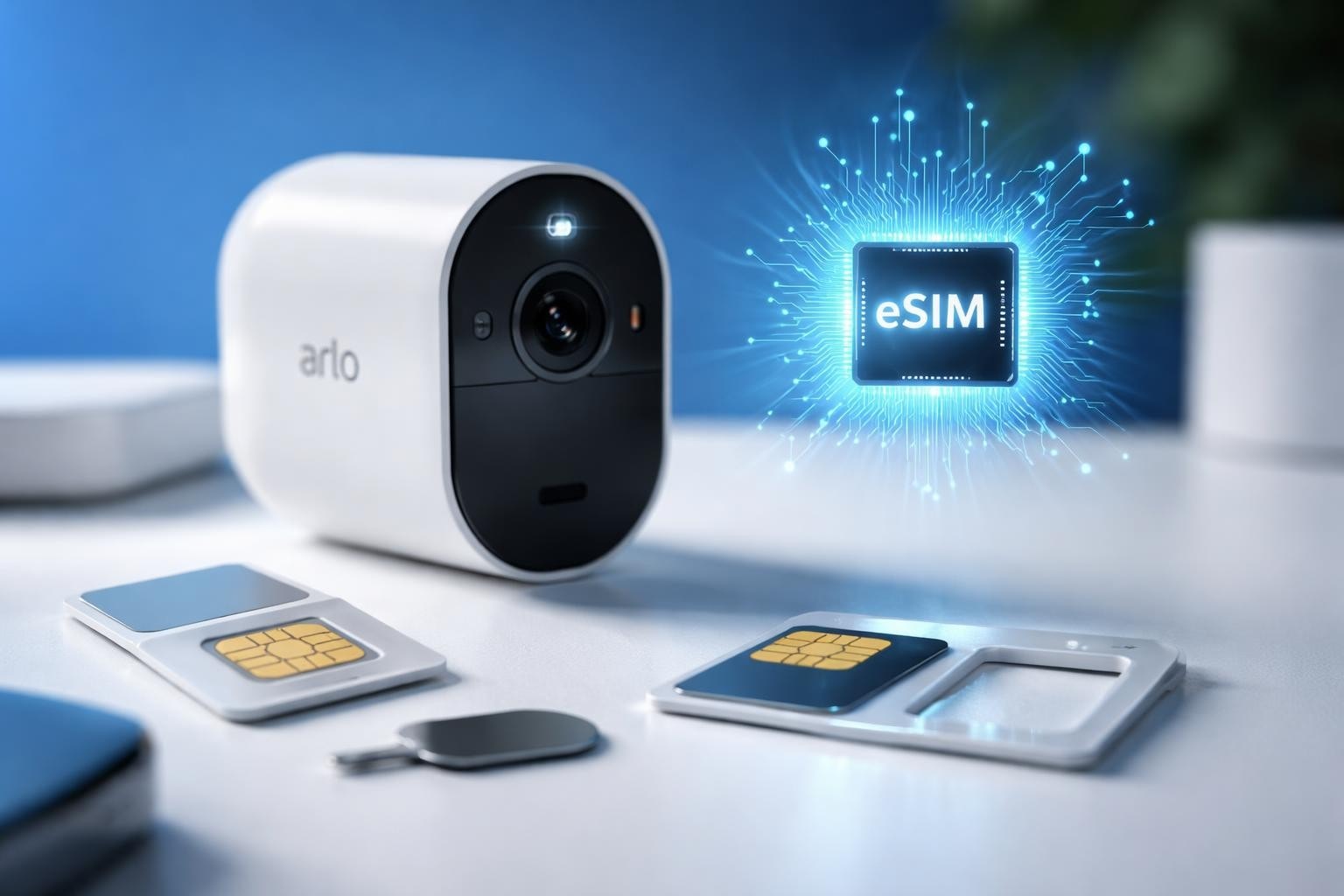
Smart home security has reached a pivotal moment in 2026, with connectivity options expanding beyond traditional Wi-Fi and physical SIM cards. The integration of eSIM technology into security devices, particularly Arlo cameras and systems, represents a significant leap forward in how we approach remote monitoring and surveillance. This shift towards embedded connectivity isn't just about convenience; it's fundamentally changing how security systems operate, update, and maintain connections across diverse environments where Wi-Fi might be unreliable or unavailable.
Understanding Arlo eSIM Technology
The concept of arlo esim brings together two powerful technological forces: Arlo's industry-leading security camera ecosystem and the flexibility of embedded SIM technology. Unlike traditional security cameras that rely solely on Wi-Fi connectivity, eSIM-enabled devices incorporate digital SIM profiles directly into their hardware, allowing them to connect to cellular networks without requiring a physical SIM card slot.
This technological marriage solves several persistent challenges in the security industry. Remote locations, construction sites, and holiday homes often lack reliable internet infrastructure, making traditional Wi-Fi cameras impractical. With eSIM integration, these devices can tap into cellular networks for continuous connectivity.
How Arlo eSIM Differs from Standard Models
The distinction between standard Arlo cameras and eSIM-equipped variants extends beyond simple connectivity options:
- Network independence – operates without relying on local Wi-Fi
- Rapid deployment – installation in locations without internet infrastructure
- Backup connectivity – maintains function during home internet outages
- Portable security – easily relocated without reconfiguration
- Multi-network capability – switches between carriers for optimal signal
What makes the arlo esim approach particularly compelling is its alignment with the broader industry movement towards eSIM adoption. As manufacturers increasingly embrace this technology, we're witnessing a transformation in how devices connect and communicate.
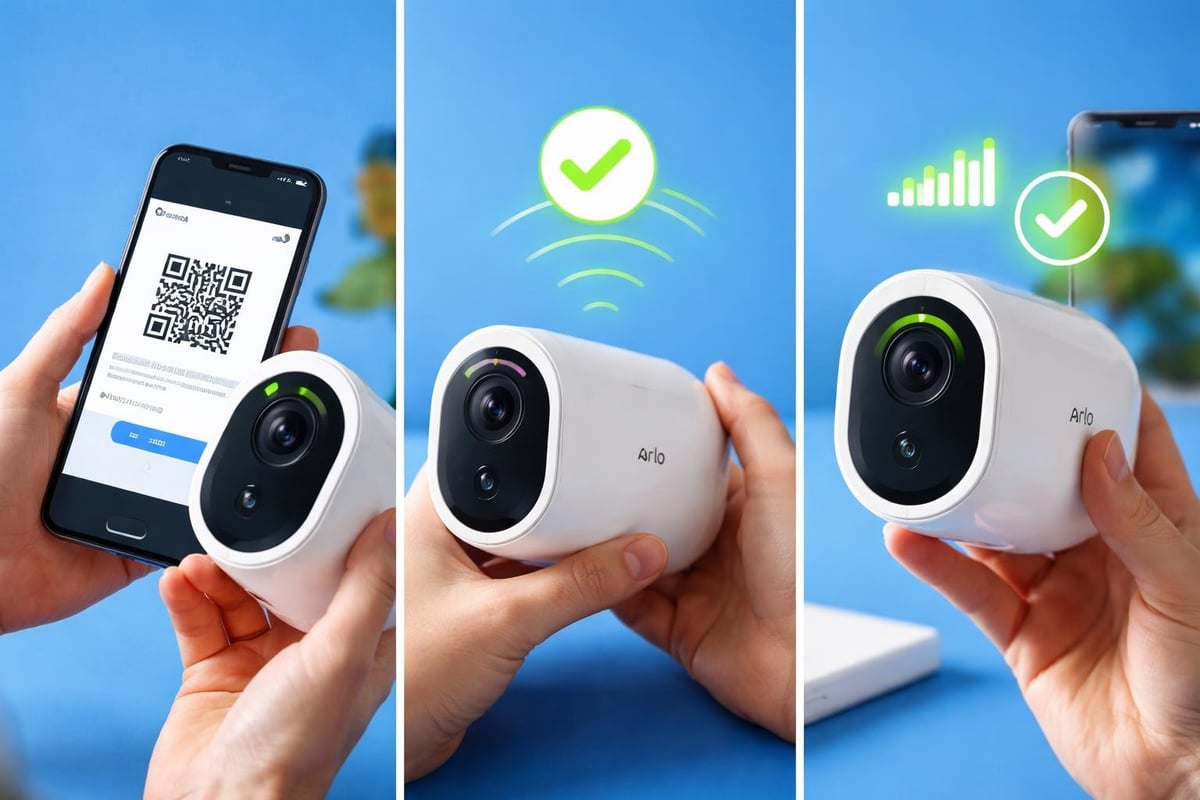
Setting Up Your Arlo eSIM Connection
Installation complexity has historically been a barrier to adopting cellular-connected security devices. The arlo esim setup process, however, has been streamlined to match the simplicity users expect from modern smart home technology.
Initial Configuration Steps
Getting your eSIM-enabled Arlo device online requires following a straightforward sequence:
- Device preparation – charge your Arlo camera fully before beginning setup
- App installation – download the latest Arlo Secure app on your smartphone
- Account creation – establish your Arlo account if you haven't already
- eSIM activation – scan the QR code provided by your eSIM provider
- Network selection – choose your preferred cellular network or allow automatic selection
- Testing phase – verify connectivity and adjust camera positioning as needed
The entire process typically takes 10-15 minutes, significantly faster than traditional cellular security camera setups that required physical SIM card installation and manual APN configuration. You can learn more about general eSIM setup procedures in the installation guide to understand the universal aspects of this technology.
| Setup Aspect | Traditional SIM | Arlo eSIM |
|---|---|---|
| Physical card required | Yes | No |
| Setup time | 20-30 minutes | 10-15 minutes |
| Network switching | Manual SIM swap | Digital switch |
| International use | Limited | Multi-country support |
Data Plan Considerations for Security Cameras
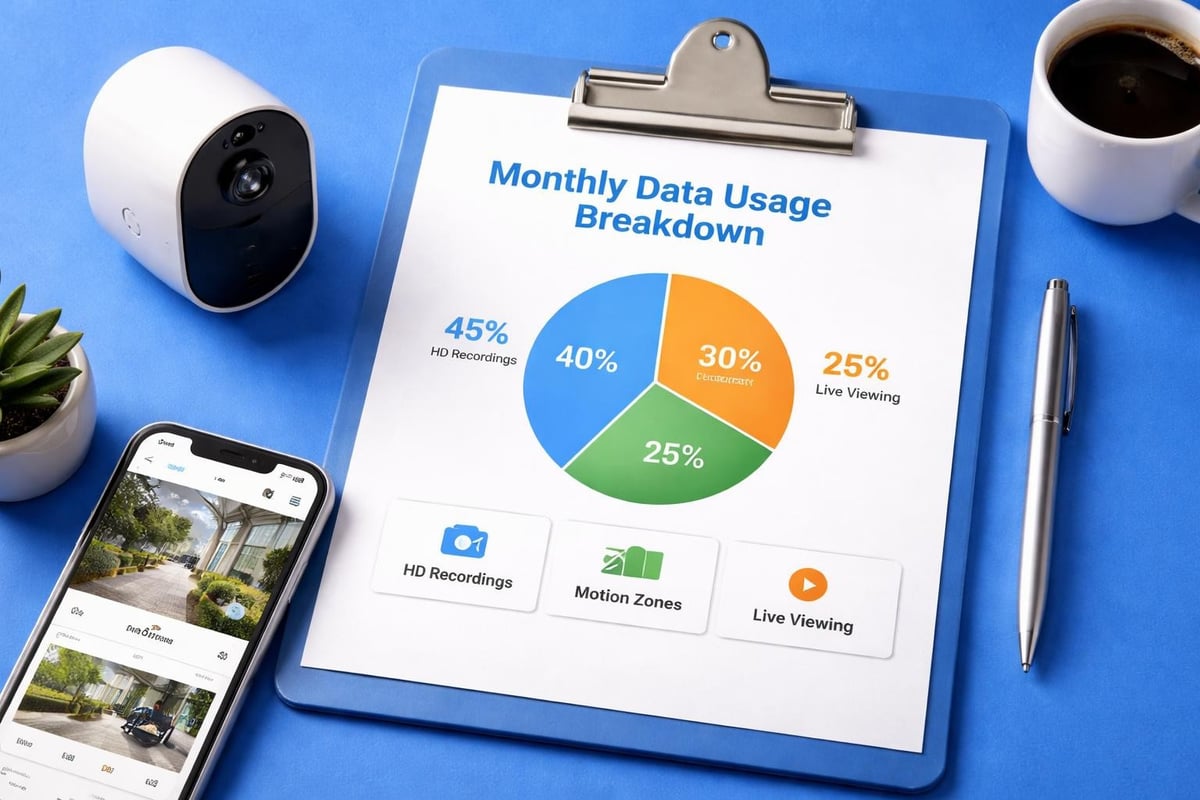
Understanding data consumption patterns becomes crucial when operating security cameras on cellular networks. The arlo esim experience depends heavily on selecting appropriate data plans that balance coverage needs with cost efficiency.
Calculating Your Data Requirements
Security cameras consume varying amounts of data based on several configurable factors:
Recording settings play the primary role in determining bandwidth usage. Continuous recording at 1080p resolution can consume 2-4GB daily, while motion-activated recording at 720p might use only 500MB-1GB per day. Many users find that adjusting sensitivity settings and recording quality provides an optimal balance.
Activity zones allow you to designate specific areas for monitoring, reducing unnecessary recordings of passing cars or wildlife. This intelligent filtering can reduce data consumption by 40-60% in busy locations.
The frequency of live viewing also impacts your data budget. Each minute of live streaming at high quality uses approximately 60MB, meaning regular check-ins throughout the day can add substantial overhead.
For travellers and property owners managing multiple locations, services offering flexible eSIM plans across different countries can provide significant cost savings compared to traditional roaming arrangements. This becomes particularly relevant when monitoring properties in locations like Australia or managing security across various international sites.
Advantages of Cellular-Connected Security Systems
The arlo esim approach delivers tangible benefits that extend beyond simple internet connectivity. These advantages become particularly apparent in scenarios where traditional Wi-Fi cameras struggle or fail entirely.
Reliability and Redundancy
Network resilience stands as the most compelling argument for cellular-connected security. When burglars cut phone lines or disable Wi-Fi routers, eSIM-enabled cameras continue transmitting alerts and footage through cellular networks. This backup capability transforms your security system from vulnerable to virtually unstoppable.
Consider the scenario of a power outage affecting your neighbourhood. Traditional systems go dark immediately, creating a blind spot that could last hours. Cellular-connected devices with battery backup maintain surveillance throughout the disruption.
Geographic Flexibility
Remote monitoring applications have exploded in popularity across various sectors:
- Agricultural monitoring – farmers surveying distant fields and livestock
- Construction oversight – project managers tracking progress at multiple sites
- Vacation property security – owners monitoring unoccupied homes
- Event security – temporary surveillance for outdoor gatherings
- Vehicle surveillance – protecting boats, RVs, and equipment storage
The IoT applications of eSIM technology extend far beyond residential security, creating opportunities in commercial and industrial contexts where traditional connectivity proves impractical.
Choosing Compatible Arlo Devices
Not all Arlo cameras support eSIM functionality, making device selection an important consideration for those wanting cellular connectivity. Understanding which models offer this capability helps you make informed purchasing decisions.
Current eSIM-Compatible Models
As of 2026, Arlo's eSIM integration remains selective, focusing on premium models designed for professional and demanding residential applications. The technology requires specific hardware components, including cellular radios and eSIM chips, which add cost and complexity to camera designs.
Before purchasing any Arlo device expecting eSIM functionality, verify compatibility through official specifications or the compatible devices resource. The landscape shifts rapidly as manufacturers introduce new models and retire older ones.
Hardware Requirements
Beyond the camera itself, successful arlo esim deployment requires consideration of supporting infrastructure:
| Component | Requirement | Purpose |
|---|---|---|
| Camera | eSIM-enabled model | Houses cellular radio and eSIM |
| Mounting | Weather-resistant | Protects equipment outdoors |
| Power | Battery or solar | Ensures continuous operation |
| Signal | Adequate cellular coverage | Maintains connection quality |
Signal strength assessment should precede any permanent installation. Most carriers offer coverage maps, but real-world testing at your specific location provides the most reliable information. Weak signals drain batteries faster and may cause connection dropouts.
Network Selection and Carrier Partnerships
The flexibility of arlo esim technology shines brightest in its ability to work with multiple network providers. Unlike physical SIM cards tied to specific carriers, eSIM profiles can be switched digitally, allowing users to optimize for coverage, cost, or data allowances.
Evaluating Network Options
Several factors influence which cellular network provides optimal performance for your security cameras:
Coverage quality at your specific installation location matters more than nationwide statistics. A carrier with excellent urban coverage might struggle in rural areas where you need surveillance most. Testing signal strength before committing to long-term data plans prevents disappointing results.
Data plan structures vary considerably between providers. Some offer unlimited data with throttling after certain thresholds, while others provide smaller buckets at lower prices. For security cameras, predictable data usage patterns make estimation straightforward.
Multi-country support becomes essential for users managing properties across borders or travelling with portable security solutions. The growing adoption of eSIM in various industries reflects recognition of these international connectivity demands.

Troubleshooting Common Arlo eSIM Issues
Even with streamlined setup processes, users occasionally encounter connectivity challenges with their arlo esim devices. Understanding common problems and their solutions minimizes downtime and frustration.
Connection Problems
When your camera shows as offline despite having cellular service, several culprits might be responsible:
- Profile activation delays – eSIM profiles sometimes require 2-24 hours for full activation
- Incorrect APN settings – automatic configuration occasionally fails, requiring manual entry
- Signal interference – metal structures or thick walls can block cellular signals
- Account issues – expired data plans or payment problems interrupt service
- Software bugs – outdated firmware can cause connectivity glitches
Most connection issues resolve through basic troubleshooting steps. Restarting the device allows it to re-establish network connections and refresh its configuration. Checking your eSIM provider's status page identifies widespread outages affecting multiple users.
Performance Optimization
Maximizing the efficiency of your arlo esim setup involves fine-tuning several parameters. Recording schedules that align with actual security needs reduce unnecessary data consumption. If your property is occupied during daytime hours, limiting recording to evenings and nights conserves bandwidth.
Quality adjustments create the most dramatic impact on data usage. Dropping from 1080p to 720p resolution cuts bandwidth requirements by approximately 50% while maintaining sufficient detail for most security applications. Night vision modes typically use less data than colour recordings due to simplified image processing.
Positioning cameras to minimize false triggers preserves both battery life and data allowances. Aim to exclude busy streets, swaying vegetation, and areas with frequent animal activity unless these zones require monitoring.
Privacy and Security Considerations
Deploying cellular-connected security cameras introduces unique privacy and security dimensions that deserve careful consideration. The arlo esim framework operates within this sensitive context, balancing convenience with protection.
Data Transmission Security
All footage transmitted from eSIM-enabled cameras should employ end-to-end encryption, preventing interception during cellular transmission. Verify that your Arlo model and chosen eSIM provider support modern encryption standards like AES-256.
Authentication protocols ensure only authorized users access your camera feeds. Enable two-factor authentication on your Arlo account, adding a crucial second layer beyond password protection. This becomes particularly important when cameras monitor sensitive locations or private spaces.
Regulatory Compliance
Different jurisdictions impose varying requirements on security camera deployment. The UK's GDPR regulations, for instance, mandate specific signage and data handling procedures for cameras capturing public spaces. Understanding local requirements prevents legal complications.
For those exploring eSIM options in specific countries, resources about eSIM in Japan or eSIM in Thailand can provide region-specific insights applicable to security camera deployment in those markets.
Cost Analysis: Traditional vs eSIM Connectivity
Financial considerations play a significant role in deciding whether arlo esim technology makes sense for your security needs. The total cost of ownership extends beyond initial hardware purchases to include ongoing service fees and maintenance.
Upfront Investment Comparison
| Cost Category | Wi-Fi Only Model | eSIM Model |
|---|---|---|
| Camera hardware | £150-300 | £200-400 |
| Installation | £0-150 | £0-150 |
| Initial data plan | £0 | £15-30 |
| Mounting equipment | £20-50 | £20-50 |
| Total first month | £170-500 | £235-630 |
The premium for eSIM capability ranges from £50-100 per camera, reflecting the additional cellular hardware required. This initial investment must be weighed against the flexibility and reliability benefits cellular connectivity provides.
Ongoing Monthly Expenses
Recurring costs represent the more significant financial consideration over the device's lifespan. Wi-Fi cameras incur no additional connectivity charges beyond your existing internet service, while eSIM models require monthly data plans ranging from £10-40 depending on usage patterns and provider selection.
A camera consuming 10GB monthly might cost £15-25 for cellular data, totalling £180-300 annually. Over a typical 3-5 year device lifespan, this adds £540-1,500 to the total cost of ownership. For locations lacking internet alternatives, this expense becomes unavoidable rather than optional.
Future Developments in eSIM Security Technology
The trajectory of arlo esim and similar technologies points toward increasingly sophisticated integration between security hardware and cellular networks. Several emerging trends will shape how we approach connected surveillance in coming years.
Industry Evolution
The shift towards eSIM-only devices in smartphones signals broader industry acceptance of embedded connectivity. As this technology matures and manufacturing costs decline, we'll likely see eSIM capability become standard rather than premium in security cameras.
AI-enhanced compression algorithms promise dramatic reductions in bandwidth requirements without sacrificing image quality. Machine learning models can identify important visual elements, transmitting high-quality footage of people and vehicles while using lower resolution for background scenery.
Edge computing capabilities allow cameras to perform sophisticated analysis locally, uploading only relevant clips rather than continuous streams. This intelligent filtering could reduce data consumption by 80-90% while improving the relevance of recorded footage.
Network Infrastructure Improvements
The rollout of 5G networks throughout 2026 and beyond creates new possibilities for arlo esim applications. Higher bandwidth and lower latency enable features previously impractical over cellular connections:
- Real-time 4K streaming without buffering
- Multi-camera synchronization for comprehensive coverage
- Advanced AI features requiring cloud processing
- Faster firmware updates and remote configuration
As network capabilities expand, the distinction between Wi-Fi and cellular-connected cameras will blur, with each offering comparable performance in their respective optimal scenarios.
Integration with Smart Home Ecosystems
Modern security cameras rarely operate in isolation, instead forming part of broader smart home networks. The arlo esim approach must coexist harmoniously with other connected devices and platforms to deliver maximum value.
Platform Compatibility
Arlo cameras integrate with major smart home platforms including Amazon Alexa, Google Home, and Apple HomeKit. This interoperability allows cellular-connected cameras to trigger automations, display feeds on smart displays, and coordinate with other security devices.
Voice commands provide convenient access to camera feeds: "Alexa, show me the back garden camera" displays footage on Echo Show devices without requiring app navigation. These integrations work identically whether cameras connect via Wi-Fi or cellular networks.
Automation Possibilities
Creating intelligent responses to security events amplifies the value of your arlo esim investment:
- Motion detection triggers outdoor lights to illuminate approaching visitors
- Person identification sends notifications only for human activity, ignoring animals
- Geofencing arms cameras automatically when you leave home
- Time-based rules adjust recording quality based on time of day
- Cross-device coordination notifies indoor cameras when outdoor sensors detect movement
These automations transform reactive security systems into proactive protection networks that anticipate threats and respond intelligently.
Selecting an eSIM Provider for Arlo Cameras
Beyond Arlo's hardware decisions lies the equally important choice of which eSIM service provider will deliver cellular connectivity. This selection impacts reliability, cost, coverage, and long-term satisfaction with your arlo esim setup.
Evaluation Criteria
Coverage maps provide a starting point, but real-world testing offers the only definitive answer about signal quality at your location. Many providers offer trial periods or money-back guarantees, allowing risk-free evaluation.
Customer support quality becomes crucial when troubleshooting connection issues or managing account changes. Providers offering 24/7 support through multiple channels (phone, email, chat) demonstrate commitment to customer satisfaction.
Data rollover policies affect value for users with variable consumption patterns. If your camera uses 8GB one month but 12GB the next, rollover prevents wasted data from low-usage periods.
For comprehensive guidance on choosing eSIM providers and understanding activation processes, the FAQ section addresses common questions that arise during provider evaluation and selection.
Real-World Applications and Case Studies
Theory and specifications only tell part of the story. Examining how arlo esim technology performs in actual deployments reveals practical insights that specifications sheets cannot convey.
Remote Property Monitoring
A holiday cottage owner in the Scottish Highlands faced persistent connectivity challenges with traditional Wi-Fi cameras. Unreliable broadband service meant frequent offline periods, creating security gaps. After switching to eSIM-enabled cameras, surveillance became reliable regardless of the cottage's internet status. The cellular connection maintained 99.7% uptime over six months, compared to 84% with previous Wi-Fi cameras.
Construction Site Security
A building contractor managing multiple active sites across Southeast England needed flexible security solutions that could relocate as projects progressed. Traditional wired systems required electrician installation at each new location, creating delays and expenses. Arlo eSIM cameras deployed in weatherproof enclosures provided instant surveillance within minutes of arrival at new sites. The contractor estimated saving £800-1,200 per project compared to traditional security system installation and removal.
Agricultural Applications
Farmers monitoring remote fields and equipment storage face unique challenges. One dairy operation in rural Wales used eSIM cameras to observe cattle in distant pastures, detecting health issues and calving events without constant physical checks. The cellular connectivity proved essential, as trenching fibre or wireless internet to these locations would have cost thousands of pounds.
These scenarios demonstrate how arlo esim technology solves real connectivity challenges across diverse applications, delivering value that justifies the investment premium over Wi-Fi-only alternatives.
The integration of eSIM technology into security cameras represents a significant evolution in how we approach surveillance and monitoring across diverse environments. Whether you're securing remote property, managing construction sites, or simply want backup connectivity for your home security system, cellular-enabled cameras offer flexibility and reliability that traditional Wi-Fi devices cannot match. Ready to experience truly flexible connectivity? gosimless.app delivers instant eSIM activation with affordable data plans covering 200+ countries, ensuring your security cameras and other devices stay connected wherever your needs take you.
gosimless Team
The gosimless editorial desk — testing eSIMs, carriers and travel connectivity so you don't have to. Updated continuously from the road.