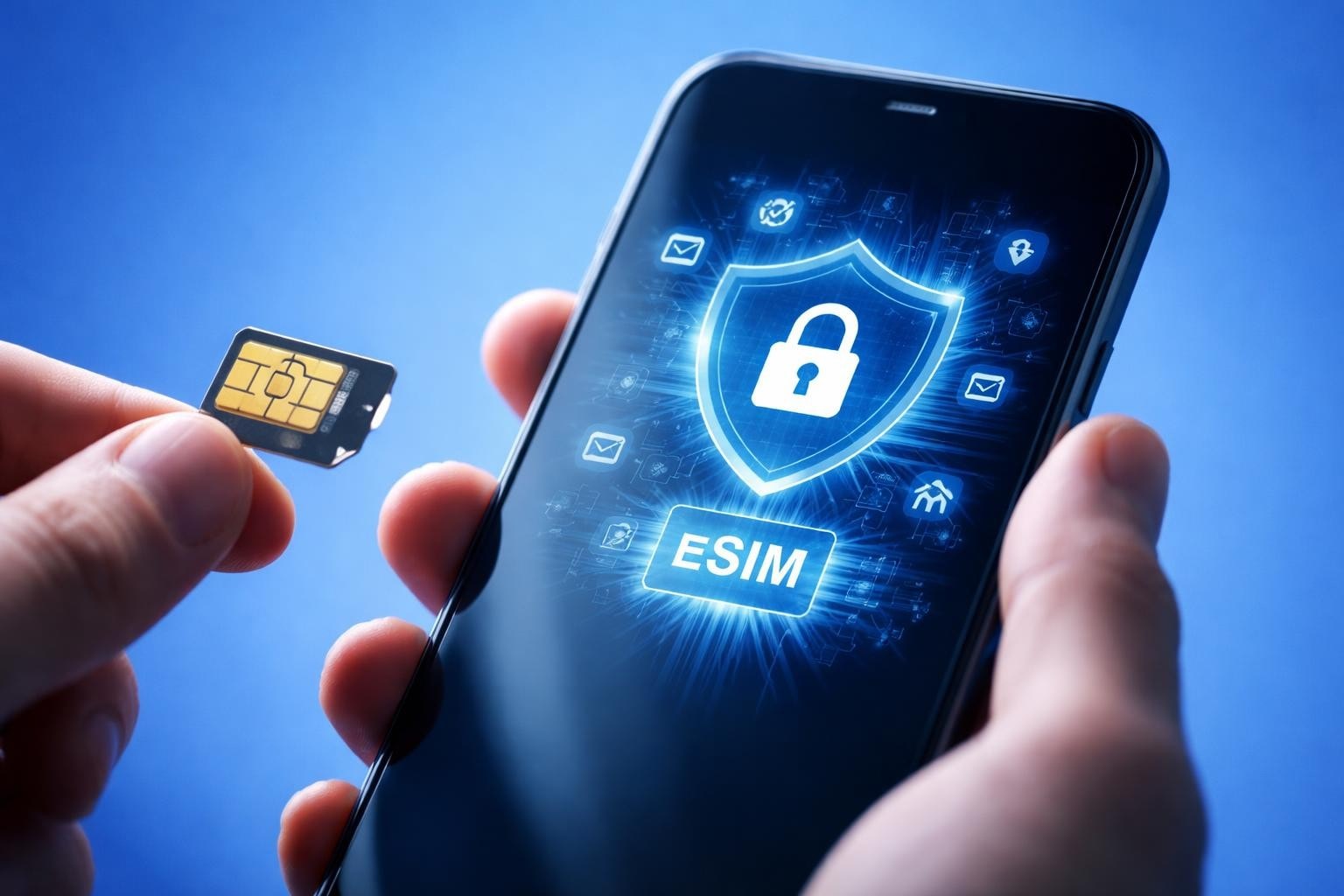
The term "air alo" has emerged within telecommunications circles as shorthand for "air allocation" - the process by which eSIM profiles are remotely distributed and activated over cellular networks. This over-the-air provisioning represents both the greatest strength and the most significant security consideration of eSIM technology. As travellers increasingly embrace digital connectivity solutions in 2026, understanding air alo mechanisms becomes essential for maintaining privacy and security whilst benefiting from instant activation capabilities.
The Technical Foundation of Air Alo Systems
Air alo relies on sophisticated communication protocols that transmit encrypted profile data directly to your device's embedded SIM chip. Unlike traditional physical SIM cards that require manual insertion, this remote allocation happens entirely through secure data channels established between your device and the mobile network operator's subscription management platform.
The process begins when you purchase an eSIM plan and request activation. Your device communicates with a central server using standardised protocols, authenticating your purchase and verifying device compatibility. The network then generates a unique profile containing your subscription details, encrypts this information using advanced cryptographic keys, and transmits it over the air to your device's eSIM chip.
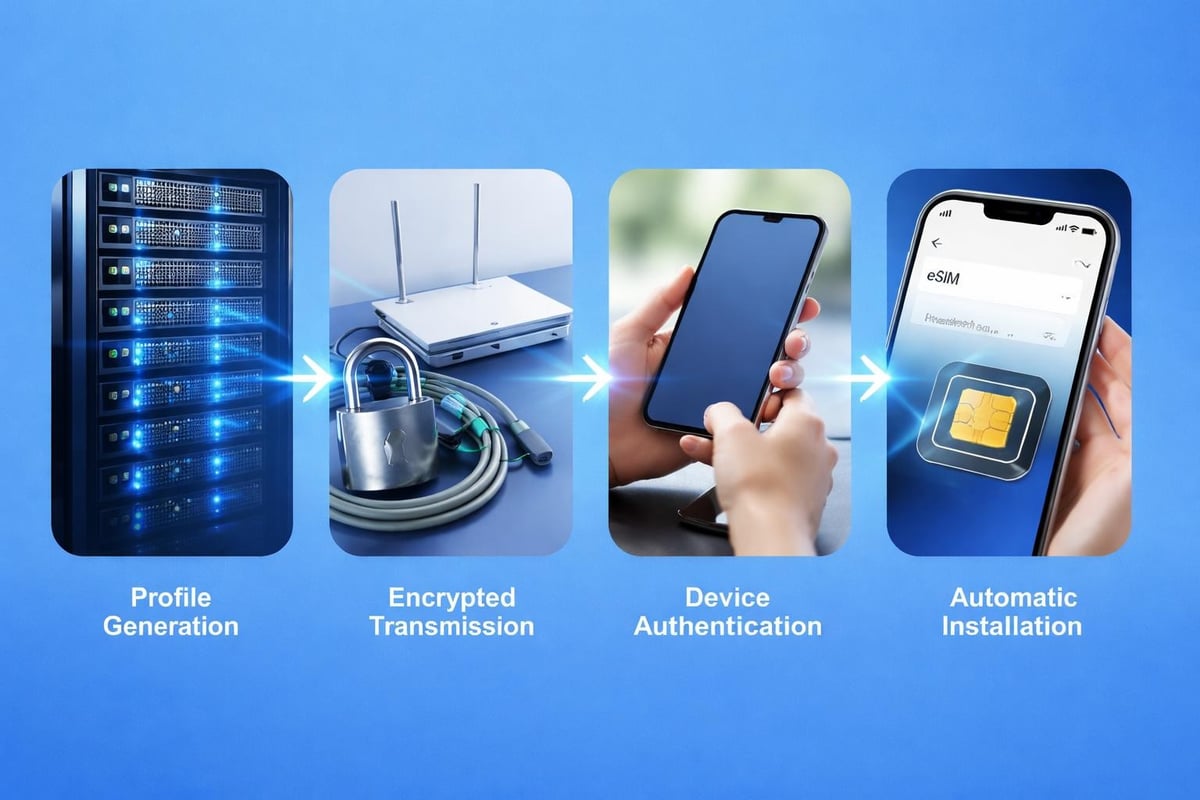
Key Components of Secure Air Allocation
Several technical elements work together to ensure safe air alo operations:
- Subscription Manager Data Preparation (SM-DP+): The centralised platform that generates and stores eSIM profiles
- Encryption protocols: Military-grade encryption standards protecting data during transmission
- Authentication certificates: Digital signatures verifying both the network operator and the receiving device
- Secure channels: Protected communication pathways preventing interception or tampering
Modern air alo implementations incorporate multiple verification layers. Before any profile transfer occurs, your device must prove its identity through cryptographic certificates embedded during manufacturing. This mutual authentication ensures that profiles only reach legitimate devices and that devices only accept profiles from verified sources.
Security Vulnerabilities in Air Alo Technology
Despite robust security frameworks, potential security risks in eSIM technology remain a concern for both consumers and industry professionals. The remote nature of air alo creates unique vulnerability points that differ significantly from physical SIM card security models.
One primary concern involves unauthorised profile installation. If malicious actors gain access to the activation codes or QR codes used to initiate air alo, they could potentially install eSIM profiles on their own devices using your subscription credentials. This scenario allows them to intercept calls, messages, and two-factor authentication codes intended for your legitimate device.
| Vulnerability Type | Risk Level | Potential Impact |
|---|---|---|
| Profile Cloning | High | Identity theft, account takeover |
| Man-in-the-Middle Attacks | Medium | Data interception during air alo |
| Carrier System Breaches | Critical | Mass compromise of customer data |
| SIM Swap Fraud | High | Unauthorised number porting |
A significant security flaw discovered in eSIM systems highlighted how vulnerabilities in subscription management platforms could affect billions of devices globally. These revelations underscore the importance of choosing eSIM providers that prioritise security infrastructure and regularly audit their air alo systems.
The human element also introduces security risks. Phishing attacks targeting activation credentials, social engineering schemes to obtain QR codes, and inadequate user authentication by carriers can all compromise the air alo process. Some regions have responded with enhanced security measures - South Korea now requires facial recognition for SIM card registration to combat scams and unauthorised activations.
Best Practices for Safe Air Alo Usage
Protecting yourself during the air alo process requires active participation and awareness. Simply trusting that security measures exist isn't sufficient - users must implement their own protective strategies to safeguard their connectivity and personal information.
Secure Activation Procedures
When activating an eSIM profile through air alo, follow these essential steps:
- Verify the source: Only obtain eSIM activation codes from official provider websites or authorised retailers
- Use secure networks: Never complete air alo over public Wi-Fi; use mobile data or trusted private networks
- Protect QR codes: Treat activation QR codes like passwords - never share screenshots or photos containing them
- Enable device security: Ensure your device has passcode protection and biometric authentication enabled
- Monitor immediately: Check your account for unexpected activity immediately after air alo completes
For travellers using international eSIM services, these precautions become even more critical. When activating an eSIM for Japan or any destination, ensure you're purchasing from reputable providers with transparent security policies. The convenience of instant activation shouldn't overshadow the importance of verifying legitimacy before initiating the air alo process.
Privacy considerations during air alo extend beyond the activation moment itself. The profile data transmitted contains personally identifiable information, subscription details, and network credentials. Providers implementing proper air alo security ensure this data remains encrypted not only during transmission but also whilst stored on their subscription management platforms.
Choosing Secure eSIM Providers
The provider you select directly impacts your air alo security. Evaluate potential eSIM services using these criteria:
- Transparent security documentation explaining their air alo implementation
- Compliance with GSMA eSIM standards and industry security certifications
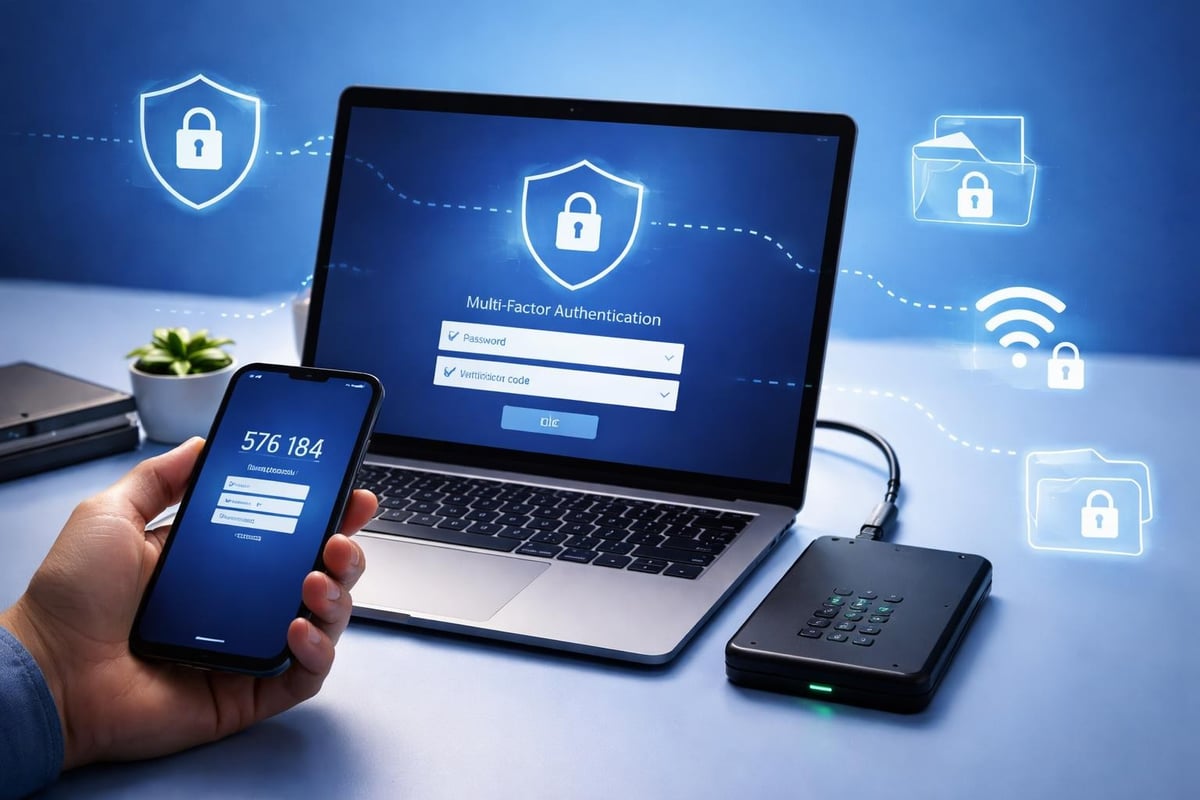
- Two-factor authentication requirements for account access and profile management
- Clear privacy policies detailing data handling during air alo
- Responsive customer support for security-related concerns
Understanding eSIM security and privacy measures helps you make informed decisions when selecting providers for international travel or domestic connectivity. Established services typically offer more robust security infrastructure compared to newer or unvetted alternatives.
Air Alo Privacy Implications
Privacy considerations in air alo extend beyond security vulnerabilities. The very nature of remote profile management creates a comprehensive data trail that reveals significant information about your device, location, and communication patterns.
During the air alo process, your device communicates its unique identifiers to the subscription management platform. These identifiers, whilst necessary for proper profile delivery, create persistent records linking your physical device to specific eSIM subscriptions. For privacy-conscious users, this permanent association between hardware and network subscriptions represents a significant consideration.
Mobile network operators gain extensive visibility into your connectivity patterns through air alo systems. They can track when profiles are activated, which devices receive them, how frequently you switch between profiles, and your geographic location during activation. This aggregated data, whilst useful for network optimisation and fraud prevention, also creates detailed user profiles that extend beyond simple connectivity services.
Data Retention and Third-Party Access
Questions surrounding data retention policies for air alo transactions remain pertinent:
- How long do providers store air alo transaction logs?
- Who has access to profile activation records?
- Are air alo data shared with third parties or government agencies?
- Can users request deletion of historical air alo records?
The importance of eSIM security in protecting customer data cannot be overstated, particularly as regulatory frameworks struggle to keep pace with technological advancement. Privacy regulations vary significantly across jurisdictions, meaning your air alo data may receive different protections depending on where the provider operates.
For business travellers and privacy advocates, understanding these implications influences provider selection. Some eSIM services prioritise minimal data collection, whilst others monetise user information as part of their business model. Reviewing privacy policies before initiating air alo ensures alignment with your personal privacy preferences.
Air Alo in Multi-Device Environments
The complexity of air alo increases substantially when managing multiple devices. Many users now maintain eSIM profiles across smartphones, tablets, smartwatches, and laptops, creating multiple air alo transactions and expanding their security exposure.
Each device requires individual profile activation, meaning separate air alo processes for every piece of hardware. This multiplication of activation points creates additional opportunities for security breaches if proper protocols aren't maintained consistently across all devices. A security lapse during air alo on a secondary device can compromise your entire ecosystem.
| Scenario | Security Consideration | Best Practice |
|---|---|---|
| Family Device Sharing | Preventing unauthorised profile activation | Separate accounts for each user |
| Work and Personal Devices | Segregating professional and private connectivity | Distinct eSIM providers per device type |
| Travel Devices | Managing temporary profiles across borders | Document all air alo activations for tracking |
| IoT and Wearables | Securing limited-interface devices | Pre-configure security before air alo |
Cross-device air alo management requires systematic approaches. Maintaining detailed records of which profiles exist on which devices, when air alo occurred, and which providers service each piece of hardware prevents confusion and identifies anomalous activations quickly.
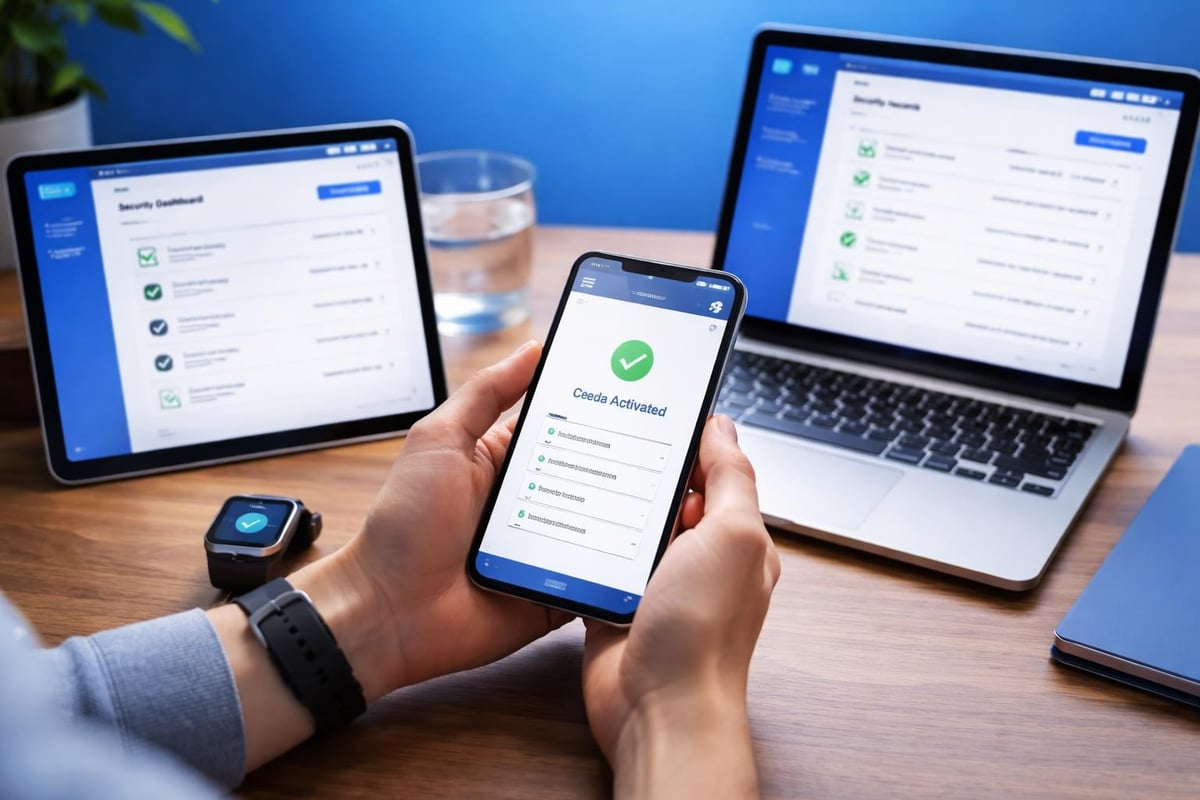
When travelling internationally with multiple devices, the USA eSIM or regional plans you activate require careful coordination. Activating profiles simultaneously across devices can trigger fraud detection systems, whilst activating them too far apart creates connectivity gaps. Planning your air alo sequence before departure ensures smooth activation without security complications.
Managing Profile Lifecycles
Air alo isn't just about initial activation - it encompasses the entire profile lifecycle:
- Initial provisioning: First-time air alo when purchasing new connectivity
- Profile updates: Remote modifications to existing profiles without full reinstallation
- Profile deletion: Secure removal of profiles through reverse air alo processes
- Profile switching: Activating alternative profiles whilst maintaining others in storage
Each lifecycle stage involves air alo communications between your device and subscription management platforms. Understanding these ongoing interactions helps you recognise normal behaviour versus potentially suspicious activity that might indicate security compromises.
Regulatory Frameworks Governing Air Alo
Telecommunications regulations increasingly address air alo security and privacy concerns, though enforcement varies considerably across jurisdictions. The European Union's eIDAS regulation establishes trust frameworks for remote identity verification, indirectly influencing air alo security standards for providers operating within member states.
In North America, the Federal Communications Commission (FCC) has begun examining eSIM security requirements, though comprehensive air alo regulations remain under development. Industry self-regulation through the GSMA currently provides the primary governance framework, establishing technical standards that compliant providers must implement.
Asian markets demonstrate diverse regulatory approaches. Japan requires stringent identity verification before air alo, whilst Singapore emphasises consumer protection through mandatory security disclosures. These regional variations mean the security and privacy protections surrounding your air alo experience depend significantly on where your provider operates and which markets they serve.
Compliance Considerations for Providers
Reputable eSIM providers navigate complex compliance landscapes:
- GSMA SGP.22 specification: Technical standard defining secure air alo procedures
- GDPR compliance: For providers serving European customers, strict data protection requirements
- Industry certifications: Third-party security audits validating air alo implementation
- Local telecommunications regulations: Country-specific requirements for SIM provisioning
Understanding whether your chosen provider meets these compliance standards offers insight into their air alo security posture. Providers prominently displaying certifications and regulatory compliance typically invest more heavily in security infrastructure compared to those offering minimal transparency.
Future Developments in Air Alo Security
The air alo landscape continues evolving rapidly as both security threats and protective technologies advance. Quantum computing presents a future challenge to current encryption methods protecting air alo transmissions, prompting industry research into quantum-resistant cryptographic algorithms.
Blockchain-based identity verification systems may eventually supplement or replace current air alo authentication methods. These decentralised approaches could reduce reliance on centralised subscription management platforms, distributing security across multiple verification nodes and reducing single points of failure.
Artificial intelligence increasingly monitors air alo transactions for anomalous patterns indicating fraud or security breaches. Machine learning algorithms can detect unusual activation sequences, identify compromised credentials, and flag suspicious profile requests before air alo completes, preventing security incidents proactively rather than responding reactively.
Biometric authentication integration represents another emerging trend. Rather than relying solely on QR codes or activation codes, future air alo systems may require fingerprint, facial recognition, or iris scanning before completing profile installation. This additional verification layer significantly increases security whilst maintaining the convenience of remote activation.
For frequent international travellers, staying informed about air alo developments ensures you benefit from the latest security enhancements. Services offering compatible devices with cutting-edge security features provide better protection for your connectivity and personal information as air alo technology continues advancing.
Practical Air Alo Troubleshooting
Despite robust technical frameworks, air alo occasionally encounters problems requiring user intervention. Understanding common issues and their resolutions ensures smooth activation experiences whilst maintaining security awareness.
Connection failures during air alo typically stem from network instability, incorrect activation codes, or device compatibility issues. Before assuming security problems, verify your internet connection stability, confirm you've entered codes accurately, and check that your device supports eSIM functionality through the installation guide.
Repeated activation requests may indicate security blocks triggered by fraud detection systems. If air alo fails multiple times, contact your provider rather than continuing attempts, which could lock your account. Legitimate troubleshooting requires provider intervention to verify your identity and reset security flags.
Authentication errors during air alo often result from expired certificates or outdated device software. Ensuring your device runs current operating system versions and has updated security certificates prevents these technical barriers whilst simultaneously improving your overall security posture.
When Air Alo Goes Wrong
If you suspect security compromise during air alo:
- Immediately stop the process: Don't complete activation if anything seems irregular
- Contact your provider: Report suspicious activity through official channels only
- Document everything: Screenshot error messages and note exact timestamps
- Monitor accounts: Check for unauthorised charges or activity across linked accounts
- Change credentials: Update passwords for your eSIM account and associated email
Recovery from compromised air alo requires swift action. The longer fraudulent profiles remain active, the more damage potential exists. Most providers offer emergency suspension services that immediately disable all profiles associated with your account, halting unauthorised usage whilst investigating the incident.
For those seeking reliable connectivity solutions, exploring comprehensive eSIM plans from established providers ensures access to secure air alo infrastructure backed by responsive customer support when issues arise.
Understanding air alo mechanisms empowers you to leverage eSIM technology's convenience whilst maintaining robust security and privacy protections. By implementing best practices, choosing reputable providers, and staying informed about emerging threats, you can confidently activate eSIM profiles for international travel or domestic connectivity. Whether you need coverage for a business trip or extended holiday, gosimless.app delivers instant eSIM activation with secure air alo implementation across 200+ countries, combining convenience with the security infrastructure that protects your connectivity and personal information throughout the activation process.
gosimless Team
The gosimless editorial desk — testing eSIMs, carriers and travel connectivity so you don't have to. Updated continuously from the road.