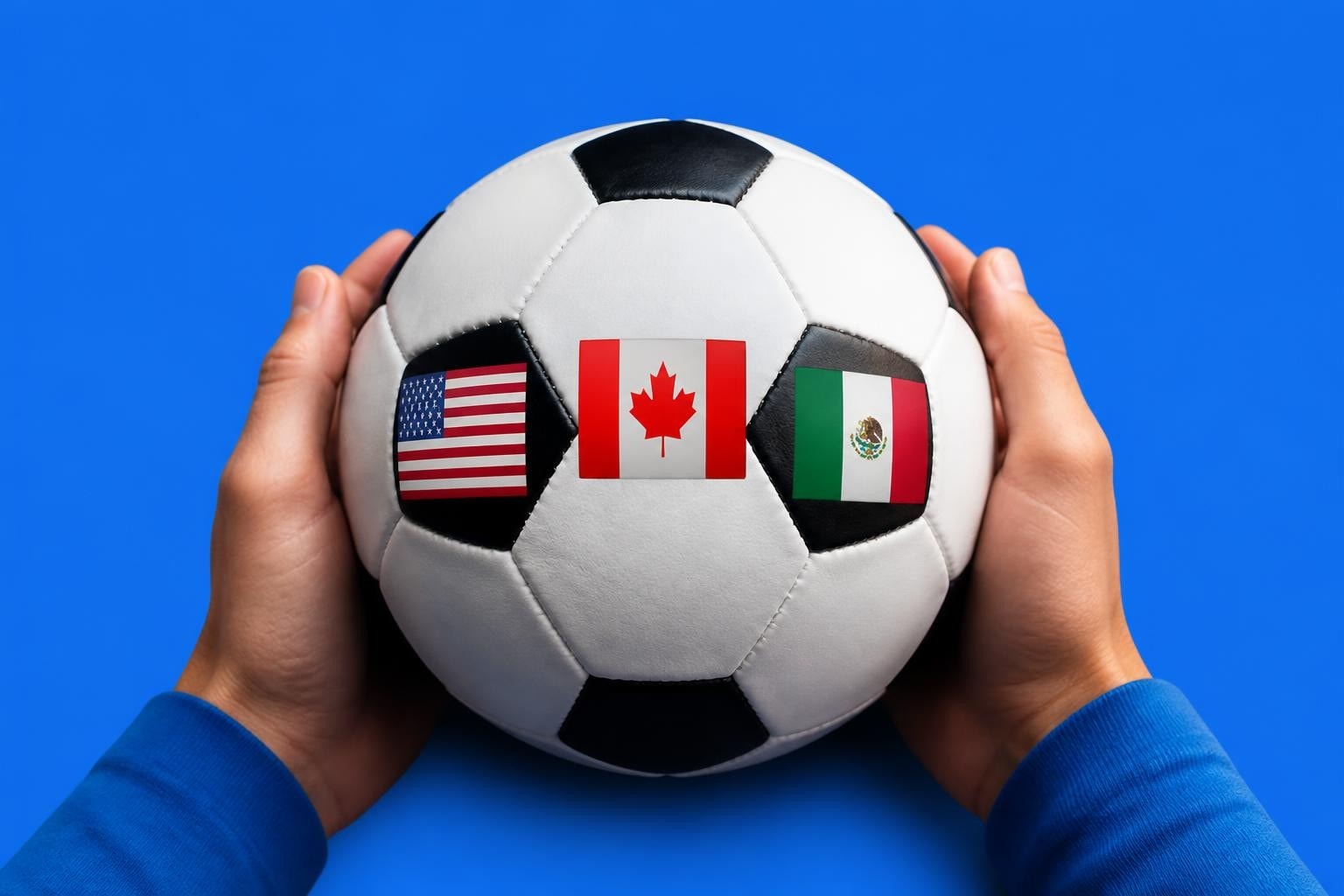
The football world is gearing up for something truly unprecedented. The 2026 world cup soccer tournament isn't just another World Cup – it's a complete reimagining of the world's most-watched sporting event. With three host nations, an expanded field of 48 teams, and matches spread across North America, this tournament promises to be the most ambitious in FIFA's history. Whether you're planning to attend matches in person, watch from home, or follow along whilst travelling, understanding what makes this World Cup different will help you make the most of the experience.
A Tournament Like No Other: The Three-Nation Revolution
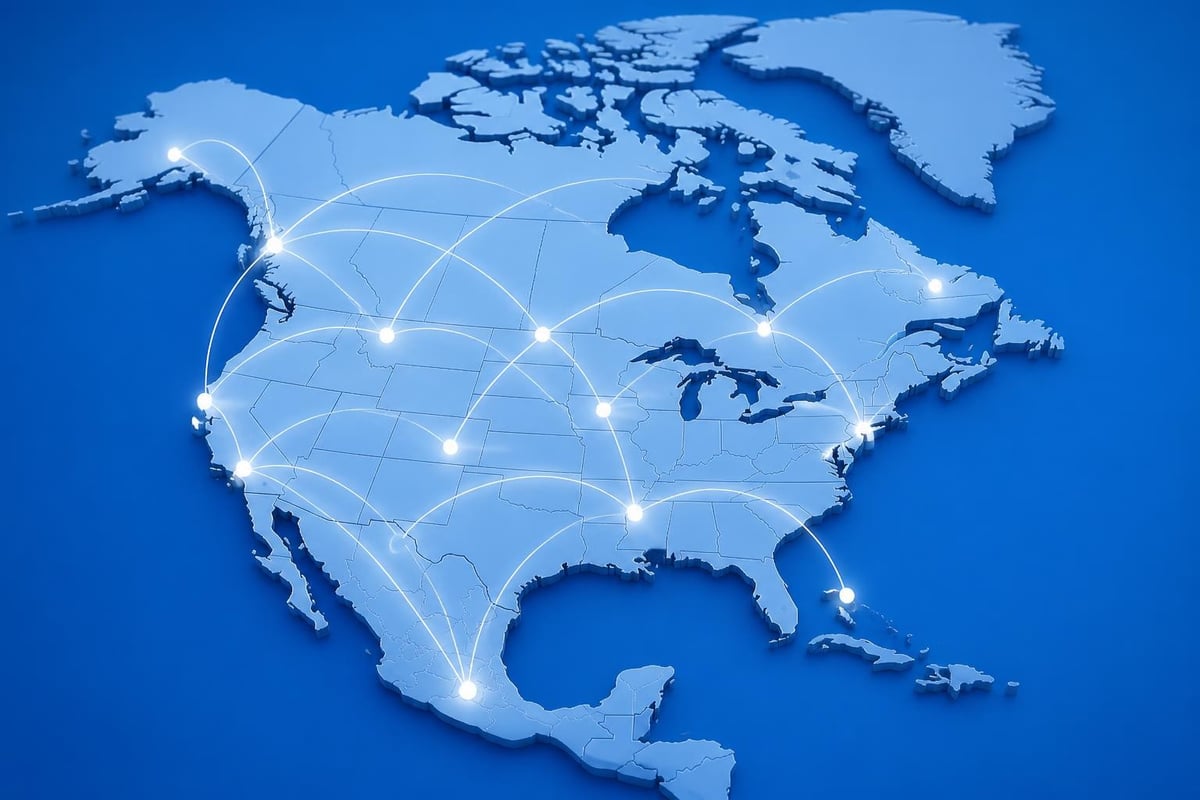
Have you ever wondered what it takes to host a World Cup across three countries simultaneously? The 2026 world cup soccer championship will span the United States, Canada, and Mexico, marking the first time the tournament has been jointly hosted by three nations. This isn't just a logistical curiosity – it fundamentally changes how fans will experience the tournament.
The official FIFA World Cup 2026™ website details how matches will be distributed across 16 cities, with the United States hosting 60 of the 104 total matches. Canada and Mexico will each host 10 matches, creating a true North American football festival that stretches from Vancouver to Mexico City.
Why Three Hosts Make Sense
The expanded format simply requires more venues than a single nation could reasonably provide. Here's how the responsibilities break down:
- United States: All knockout rounds from the quarter-finals onwards
- Canada: Group stage matches in Vancouver and Toronto
- Mexico: Group stage and round of 32 matches across three cities
- Joint responsibility: Opening ceremonies and group stage distribution
This distribution means fans might need to travel between countries to follow their favourite teams. That's where modern connectivity solutions become essential – staying connected across multiple countries ensures you won't miss ticket releases, team updates, or meet-up coordination with fellow supporters.
The 48-Team Expansion: More Football, More Drama
Remember when the World Cup meant 32 teams battling it out over a month? Those days are gone. The 2026 world cup soccer tournament introduces 16 additional teams, and with that comes an entirely new tournament structure that's sparked considerable debate amongst football purists and progressive thinkers alike.
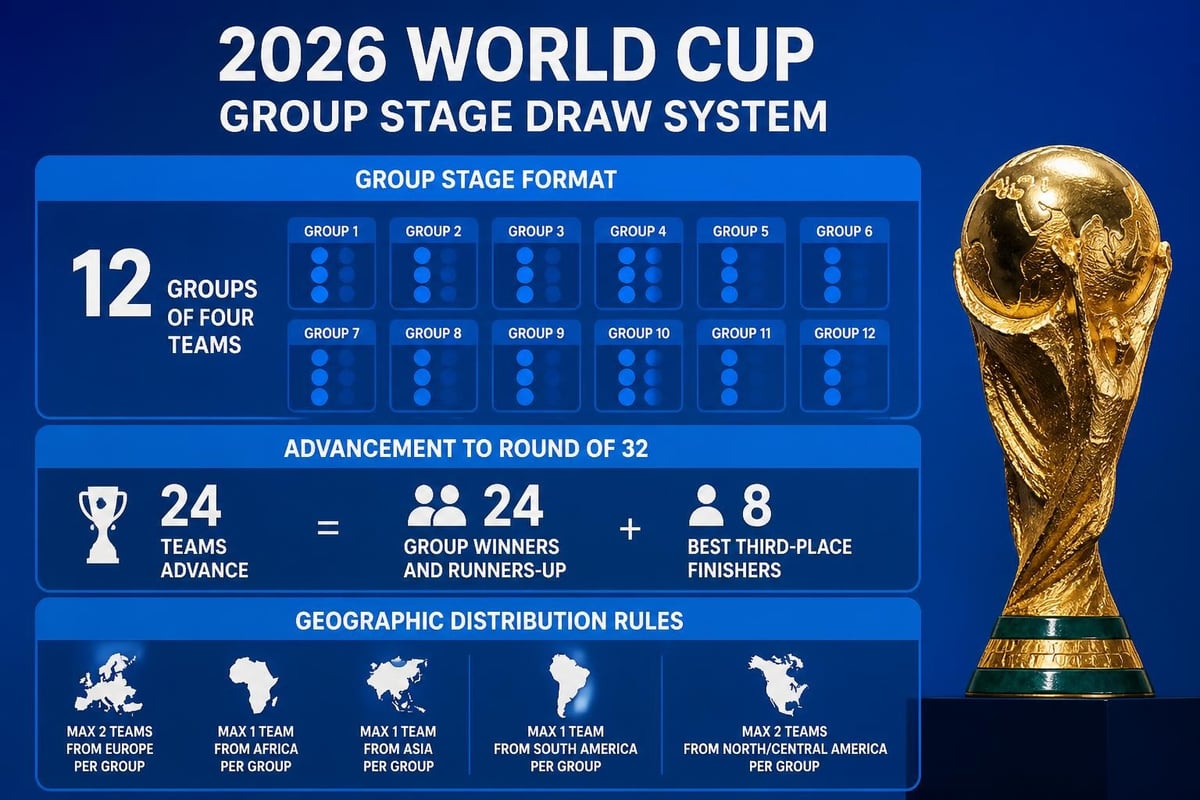
The new format features 12 groups of four teams each, followed by a knockout stage that includes 32 teams. That's right – the top two teams from each group advance, along with the eight best third-placed teams. This means we'll see 104 matches compared to the traditional 64, giving fans 40 additional opportunities to witness World Cup magic.
What This Means for Competitive Balance
| Tournament Aspect | Previous Format (32 teams) | 2026 Format (48 teams) |
|---|---|---|
| Total Matches | 64 | 104 |
| Group Stage Matches | 48 | 72 |
| Teams Advancing | 16 | 32 |
| Tournament Duration | 29-32 days | 39 days |
| Matches Per Day | 2-3 | 2-3 |
The expanded format has drawn mixed reactions. Supporters argue it gives emerging football nations genuine opportunities to compete on the world stage, whilst critics worry about dilution of quality. Research on the structural challenges of the expanded format suggests careful bracket design will be crucial to maintaining competitive integrity.
Ticketing Frenzy: What You Need to Know
Have you started thinking about securing your tickets yet? You're certainly not alone. FIFA announced that over 1 million tickets have already been sold for the 2026 world cup soccer tournament, and we're still months away from the opening match. This unprecedented demand reflects both the expanded format and North America's massive, football-hungry population.
Ticket sales have been organised in phases, with priority given to supporters of qualified nations. The pricing structure varies dramatically depending on match significance and venue, with group stage matches starting around $30 and final tickets potentially exceeding $1,000.
Tips for Securing Your Spot
- Register early on FIFA's official platform: Create your account well before sales windows open
- Be flexible with dates and venues: Popular matches sell out in minutes
- Consider multi-match packages: Better value and guaranteed attendance at multiple games
- Set up payment methods in advance: Speed matters when thousands compete for the same seats
- Have backup venue preferences: Your first choice might not be available
The challenge isn't just getting tickets – it's coordinating travel across potentially three countries if you're following a team through the tournament stages. Planning your connectivity needs is just as important as booking accommodation.
The Technology Behind the Tournament
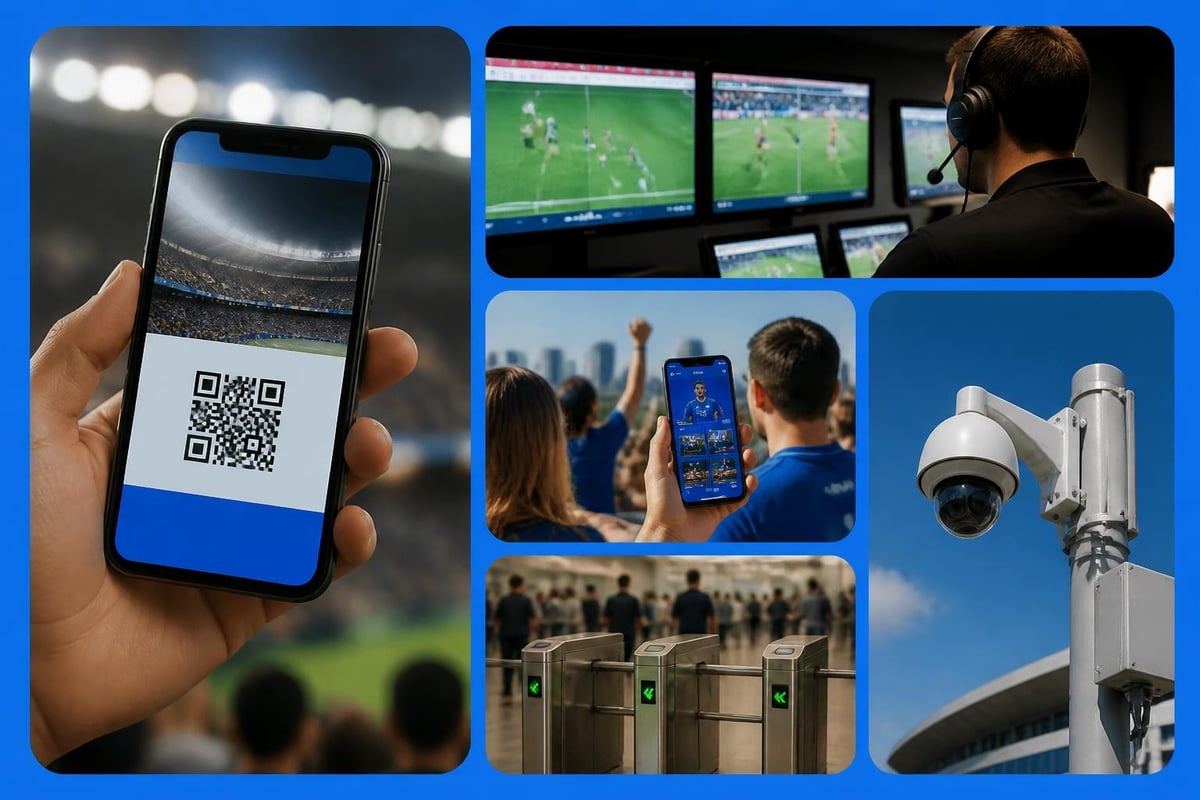
The 2026 world cup soccer championship represents a massive technological undertaking. With matches spread across such vast geography, FIFA is implementing cutting-edge systems for everything from VAR (Video Assistant Referee) to fan engagement platforms.
Security presents particular challenges. An analysis of the expanded threat surface for the 2026 World Cup highlights how cybersecurity teams must protect ticketing systems, payment platforms, and communication networks across three nations simultaneously. This includes safeguarding millions of transactions and protecting fan data from potential breaches.
The Trionda Ball: Innovation on the Pitch
Even the football itself gets an upgrade. The "Trionda" official match ball features advanced aerodynamics and connected ball technology that provides unprecedented data on ball speed, trajectory, and impact points. This isn't just flashy tech – it genuinely enhances VAR decision-making and provides analysts with detailed performance metrics.
Fashion Meets Football: The Cultural Impact
Football tournaments have always transcended sport, and the 2026 world cup soccer event is no exception. Fashion collaborations for the 2026 FIFA World Cup showcase how luxury brands and streetwear labels alike are creating collections that blend team colours with high fashion. From limited-edition trainers to designer jerseys, the commercial ecosystem around the tournament rivals the on-pitch action.
This cultural significance extends to how fans engage with the tournament. Social media will explode with content, fan zones in host cities will create festival atmospheres, and the tournament becomes a month-long celebration of global football culture rather than just a sporting competition.
Following Your Team Across Borders
Here's a scenario: your national team progresses from the group stage in Toronto, plays a round of 32 match in Los Angeles, then reaches the quarter-finals in Dallas. You've booked flights and accommodation for each city, but have you thought about how you'll manage connectivity across these locations?
International roaming charges can devastate your budget faster than ticket prices. Traditional mobile plans often charge exorbitant fees when crossing borders, and North America's patchwork of carriers makes this particularly challenging. For travelling fans, especially those coming from outside North America, instant eSIM activation for coverage across multiple countries eliminates these headaches entirely, letting you focus on the football rather than hunting for WiFi hotspots.
Predicting the Unpredictable: Who Will Win?
Football's beauty lies in its unpredictability, but that doesn't stop analysts from trying. A probabilistic forecasting study using Elo ratings attempts to predict 2026 world cup soccer outcomes based on historical team performance. Brazil, France, and Argentina emerge as favourites, but the expanded format means dark horses have better chances than ever before.
Consider these factors that could influence the tournament:
- Home advantage: Will USA, Canada, or Mexico benefit from partisan crowds?
- Travel fatigue: Teams might cross 5,000 kilometres between matches
- Climate variation: From Vancouver's temperate weather to Mexico City's altitude
- New qualifiers: Fresh teams bring unknown tactics and hungry players
Dark Horses to Watch
| Team | Strengths | World Cup 2026 Outlook |
|---|---|---|
| Morocco | Solid defence, 2022 semi-finalists | Could repeat heroics |
| Japan | Technical excellence, strong league | Consistent performers |
| Nigeria | Athletic prowess, talented youth | Dangerous underdog |
| Colombia | Resurgent form, creative midfield | Quarter-final potential |
The beauty of the expanded format is that teams who might have barely missed qualification under the old system now get their chance to shock the world.
The Group Stage Draw: Controversy and Mathematics
The non-uniformity of the 2026 FIFA World Cup draw has sparked mathematical debates about fairness. With 12 groups instead of eight, and teams advancing based on both direct positions and third-place comparisons, the draw mechanics become extraordinarily complex.
FIFA has implemented safeguards to prevent groups of death whilst ensuring geographic distribution makes sense. No group can have more than one team from the same confederation, with exceptions made for UEFA due to the number of European qualifiers. This balancing act between competitive fairness and commercial interests creates fascinating dynamics.
Venues That Will Define the Tournament
The 16 stadiums hosting 2026 world cup soccer matches represent architectural and cultural diversity. From the Rose Bowl's historic charm to SoFi Stadium's cutting-edge design, each venue brings unique character to the tournament.
Notable Venues:
- MetLife Stadium, New Jersey: Expected to host the final
- Azteca Stadium, Mexico City: Third World Cup appearance, altitude challenges
- BC Place, Vancouver: Northernmost venue, retractable roof
- AT&T Stadium, Dallas: Indoor climate control, massive capacity
- Mercedes-Benz Stadium, Atlanta: Sustainable design, architectural marvel
Each city is preparing fan festivals, viewing parties, and cultural events that extend beyond match days. If you're planning to attend multiple matches, researching connectivity solutions for each destination helps ensure you can navigate unfamiliar cities, translate menus, and stay connected with your travel group without constantly switching SIM cards or hunting for public WiFi.
Sustainability Initiatives and Legacy Planning
FIFA has pledged to make the 2026 world cup soccer tournament carbon-neutral, an ambitious goal given the geographical spread. Initiatives include renewable energy at venues, sustainable transportation between cities, and carbon offset programmes.
The legacy planning extends beyond environmental concerns. Host cities are investing in infrastructure improvements, youth football programmes, and community facilities that will serve residents long after the final whistle. This contrasts sharply with some previous tournaments where expensive stadiums became white elephants.
How Fans Are Preparing Now
Smart supporters aren't waiting until tournament week to sort logistics. Here's what savvy fans are doing months in advance:
- Creating detailed itineraries that account for travel time between cities
- Booking refundable accommodation near multiple potential venues
- Joining supporter groups to coordinate travel and share costs
- Learning basic Spanish for Mexico-based matches
- Arranging flexible work schedules to maximize attendance opportunities
The most organised fans are already securing multi-country connectivity options that work seamlessly across all three host nations, eliminating the stress of switching carriers or dealing with outrageous roaming charges whilst trying to enjoy the world's biggest football tournament.
Match Schedules and Timing Considerations
With venues spanning four time zones, the 2026 world cup soccer schedule accommodates global viewership whilst respecting local attendance patterns. Matches in Vancouver might kick off at 9 PM local time to reach European audiences during their morning hours, whilst East Coast matches could start mid-afternoon.
This creates interesting dynamics for travelling fans. Following a team from group stage through knockout rounds might mean adjusting to different time zones multiple times. Jet lag becomes a genuine consideration, not just for players but for supporters criss-crossing the continent.
Current results and fixtures will be updated throughout the tournament, but planning around preliminary schedules helps secure better flight prices and accommodation rates.
The Broadcasting Revolution
Television coverage of the 2026 world cup soccer tournament will reach an estimated 5 billion viewers globally, but traditional broadcasting is just one piece of the puzzle. Streaming platforms, social media integration, and personalised viewing experiences are transforming how fans consume matches.
Expect innovations like multi-angle viewing, real-time statistics overlays, and interactive features that let you choose your own commentary team. For travelling fans, this means you'll want reliable data connectivity to access these features on mobile devices whilst moving between venues or exploring host cities.
What Makes This World Cup Special
Beyond the expanded teams and tri-nation hosting, the 2026 world cup soccer championship represents football's growing globalisation. More nations competing means more fans engaged, more stories unfolding, and more moments of unexpected brilliance that make the World Cup magical.
The North American setting brings unique flavour too. Expect elaborate opening and closing ceremonies, fusion of football culture with American sports entertainment, and commercial tie-ins that dwarf previous tournaments. Whether you embrace or resist this evolution, it's undeniably a new chapter in World Cup history.
Planning Your World Cup Experience
Whether you're attending matches or following from afar, preparation enhances enjoyment. For those lucky enough to secure tickets and travel to North America, the checklist extends beyond booking flights and hotels:
- Visa requirements: Check well in advance, especially if visiting multiple countries
- Travel insurance: Essential given the distances and potential disruptions
- Local transportation: Research options between airports, hotels, and stadiums
- Currency: US dollars work everywhere, but having local currency helps in smaller establishments
- Communication: Don't underestimate how much you'll rely on mobile connectivity
The final point deserves emphasis. You'll need maps, translation apps, ticket confirmations, accommodation details, and constant communication with travel companions. Managing this across three countries without breaking the bank on roaming fees requires planning ahead with solutions designed for international travellers.
The 2026 world cup soccer tournament promises to be the most expansive and ambitious in history, bringing football to more fans across more venues than ever before. Whether you're planning to attend matches in person or follow the action remotely, staying connected across borders shouldn't add stress to your experience. GoSimless.app provides instant eSIM activation with coverage across all three host nations, ensuring you can navigate cities, coordinate with friends, and share every moment without worrying about roaming fees or connectivity gaps.
gosimless Team
The gosimless editorial desk — testing eSIMs, carriers and travel connectivity so you don't have to. Updated continuously from the road.